






sound edit
build the world
dialogue, atmosphere, effects and transitions are prepared as a precise foundation for the creative work and mix.

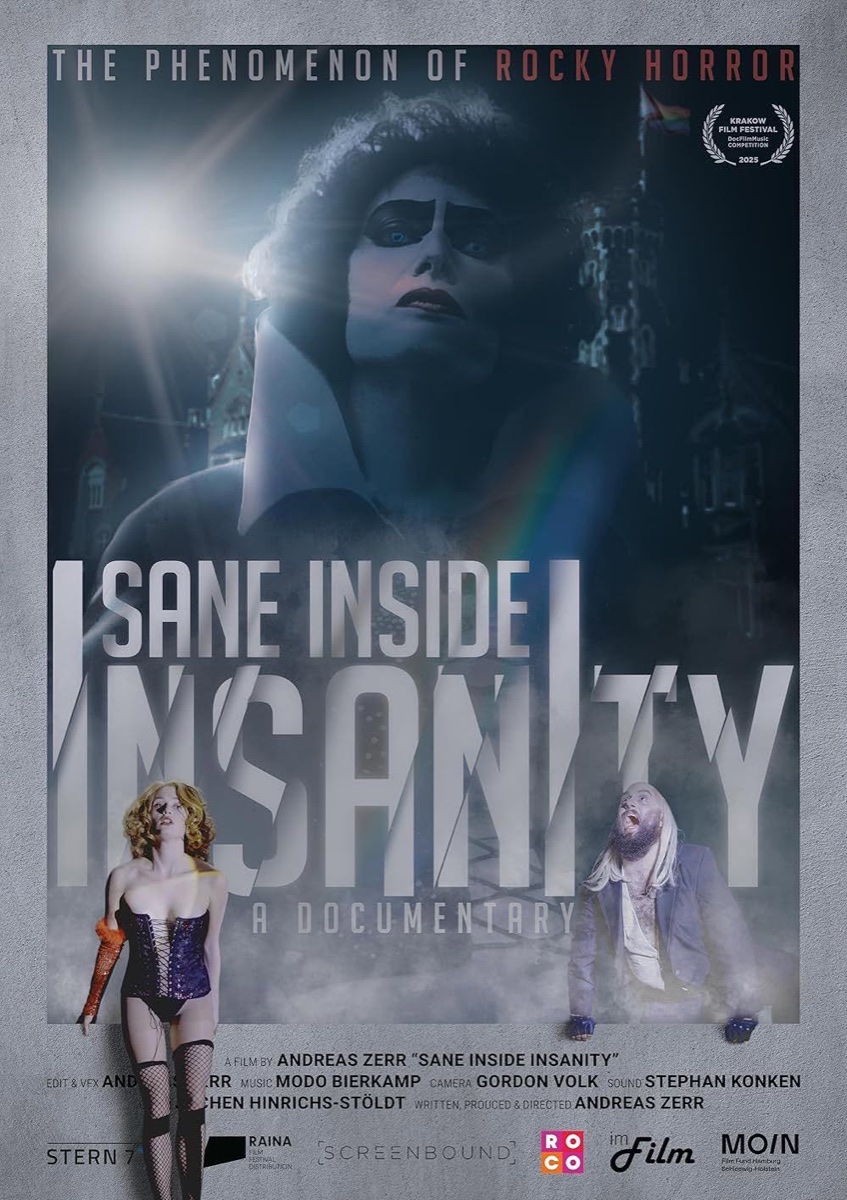


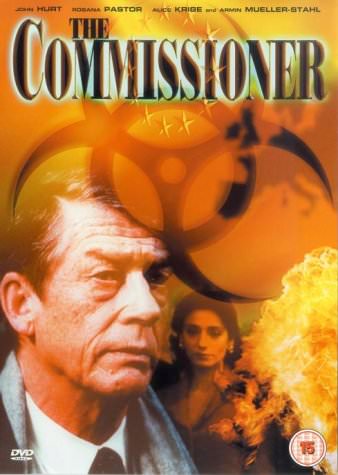
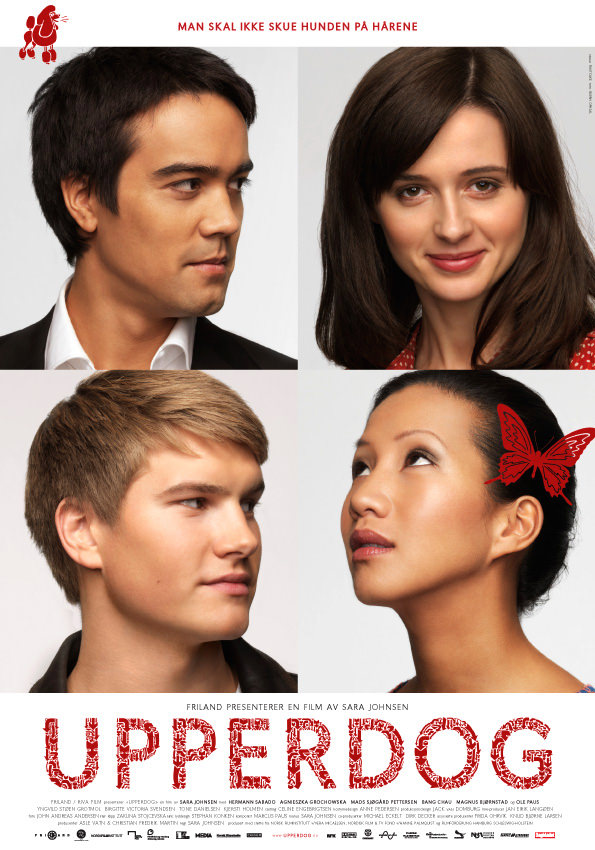
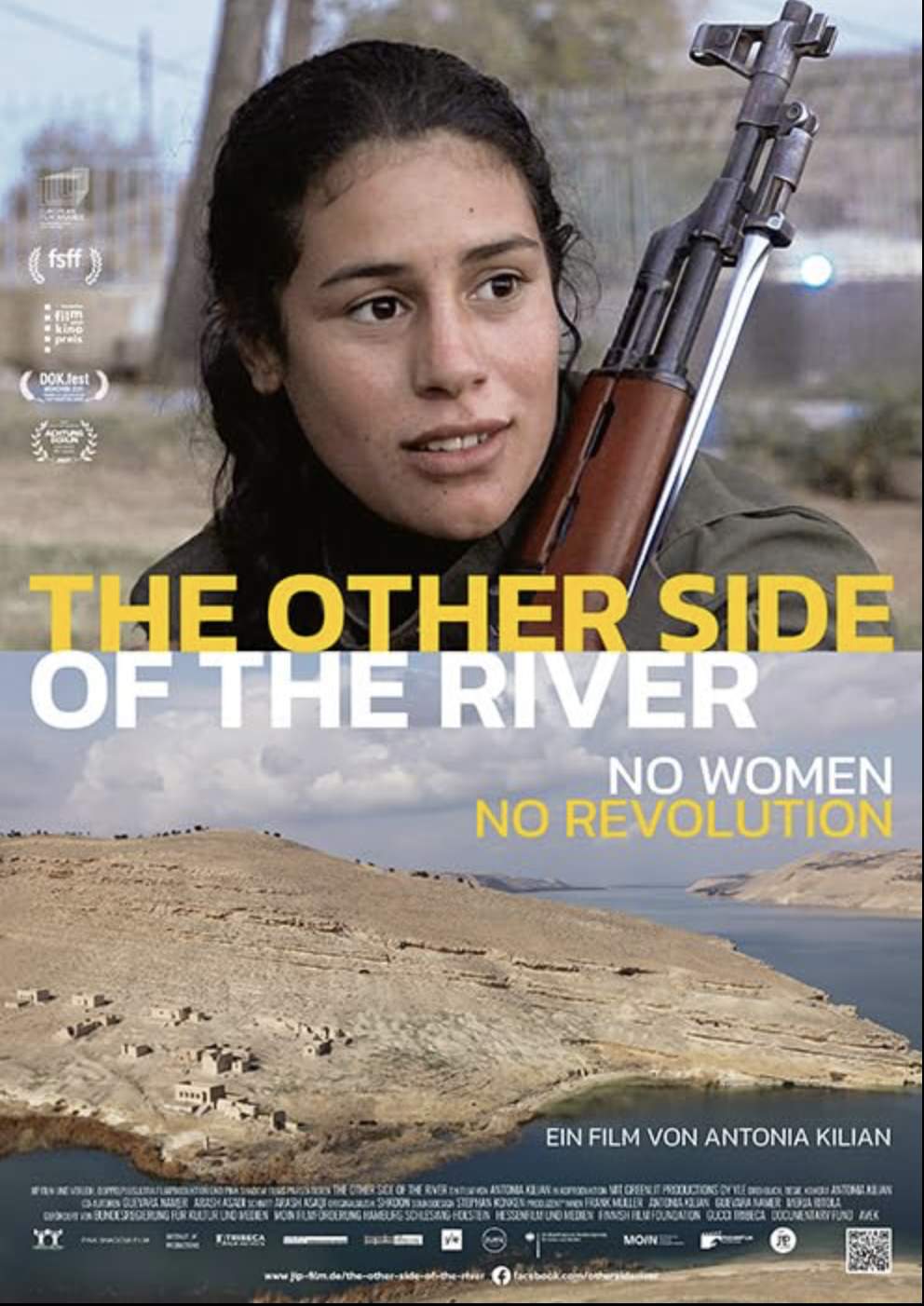








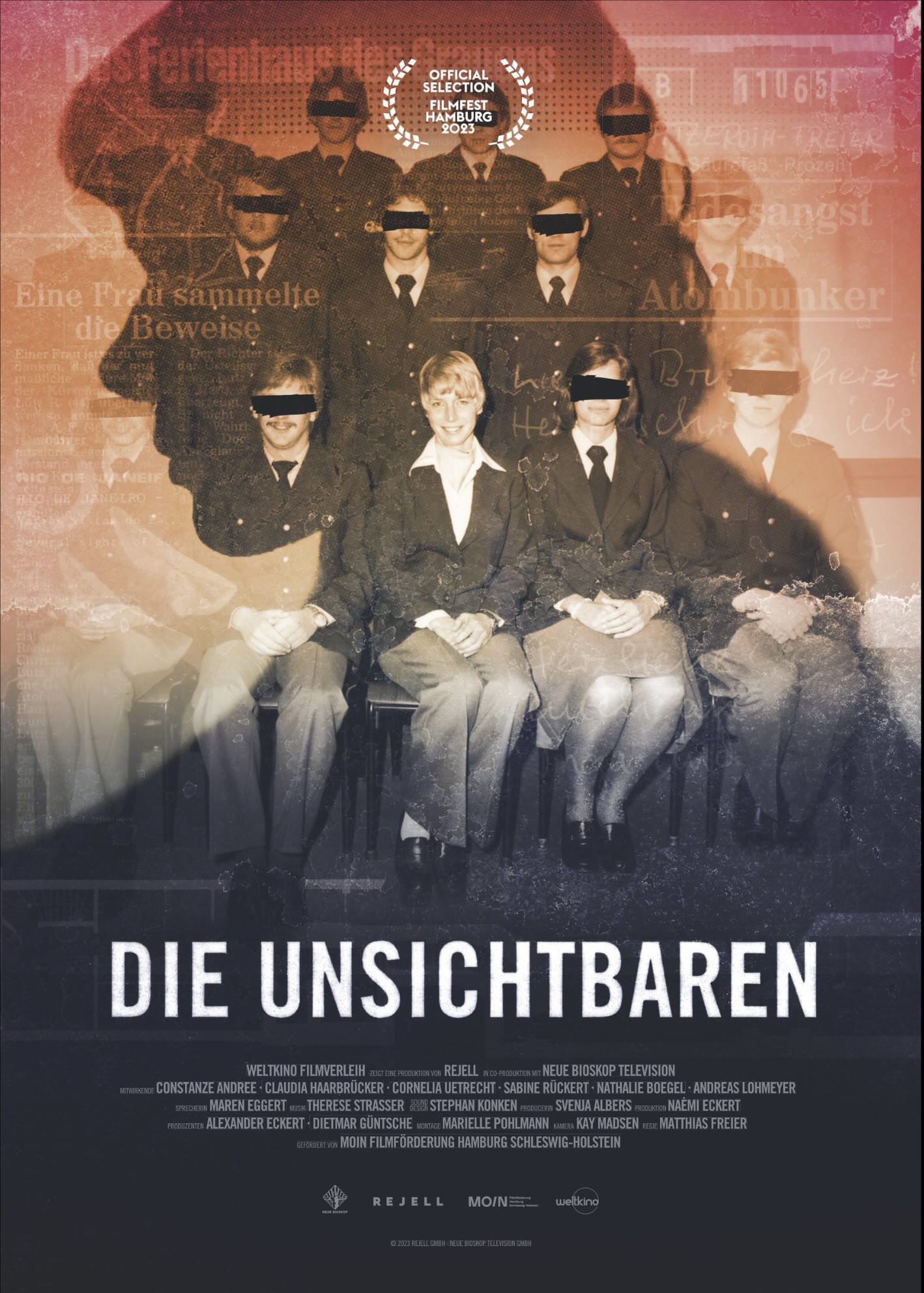


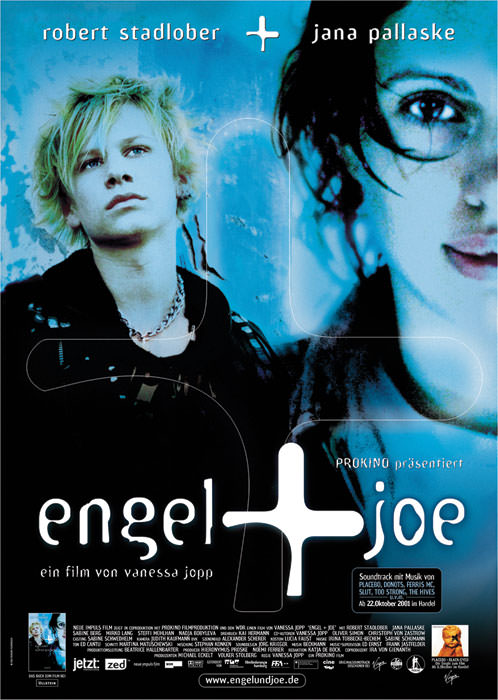
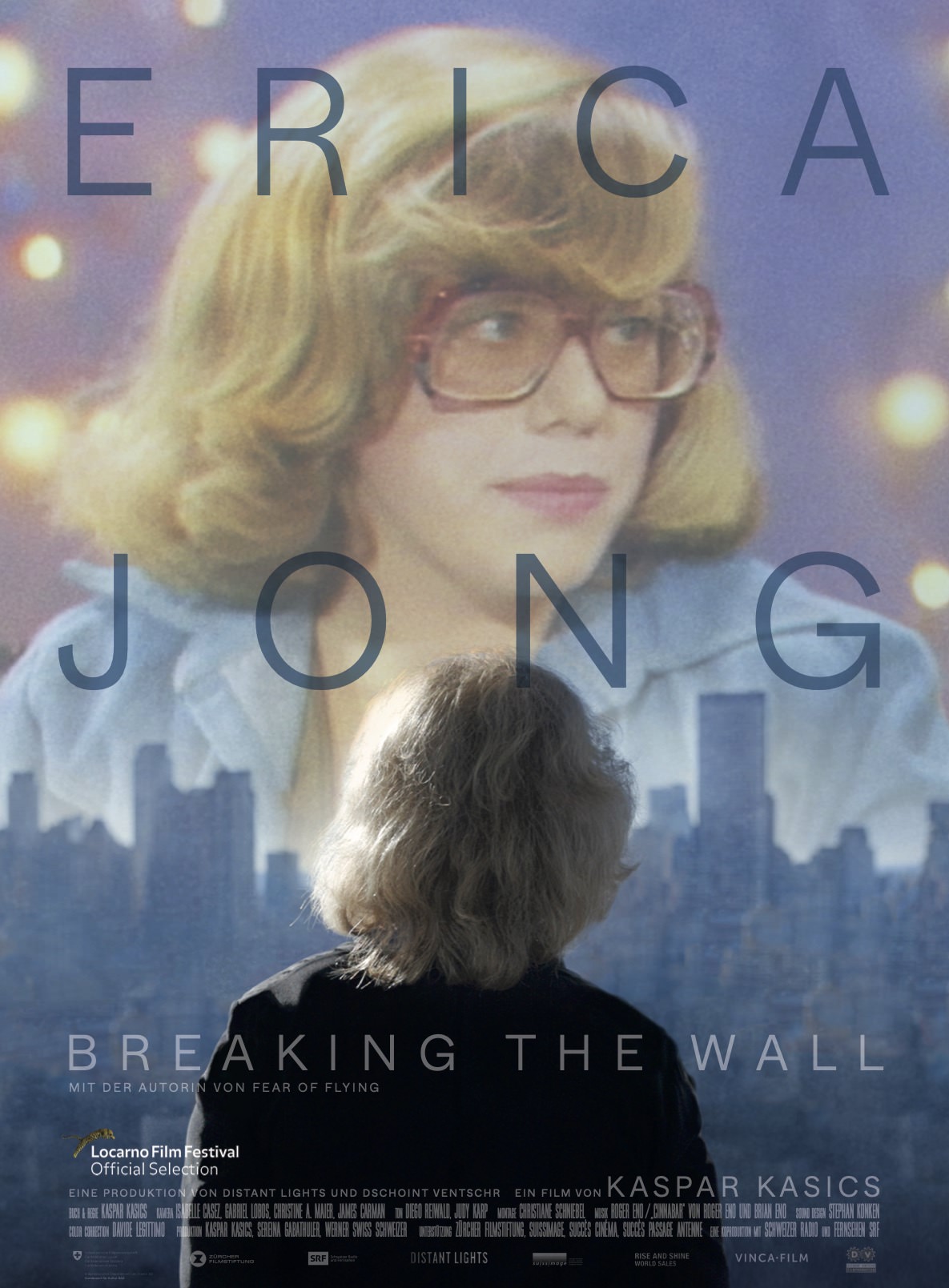


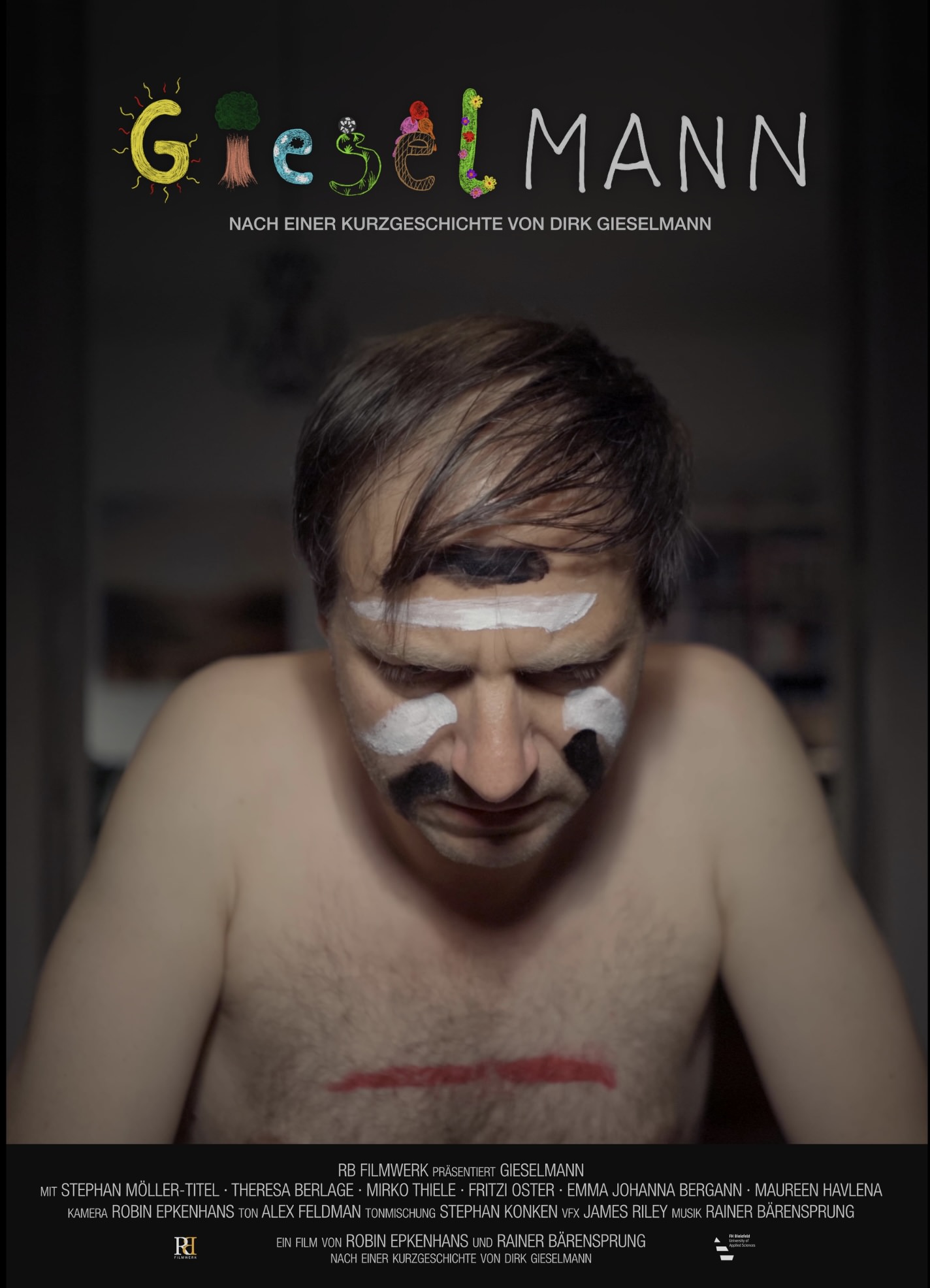


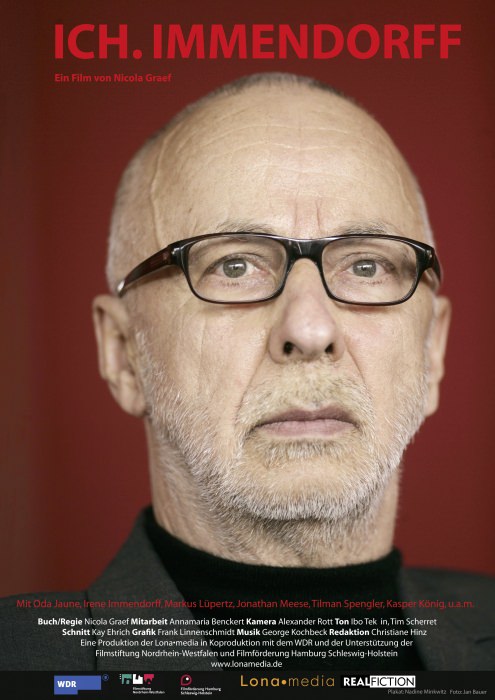

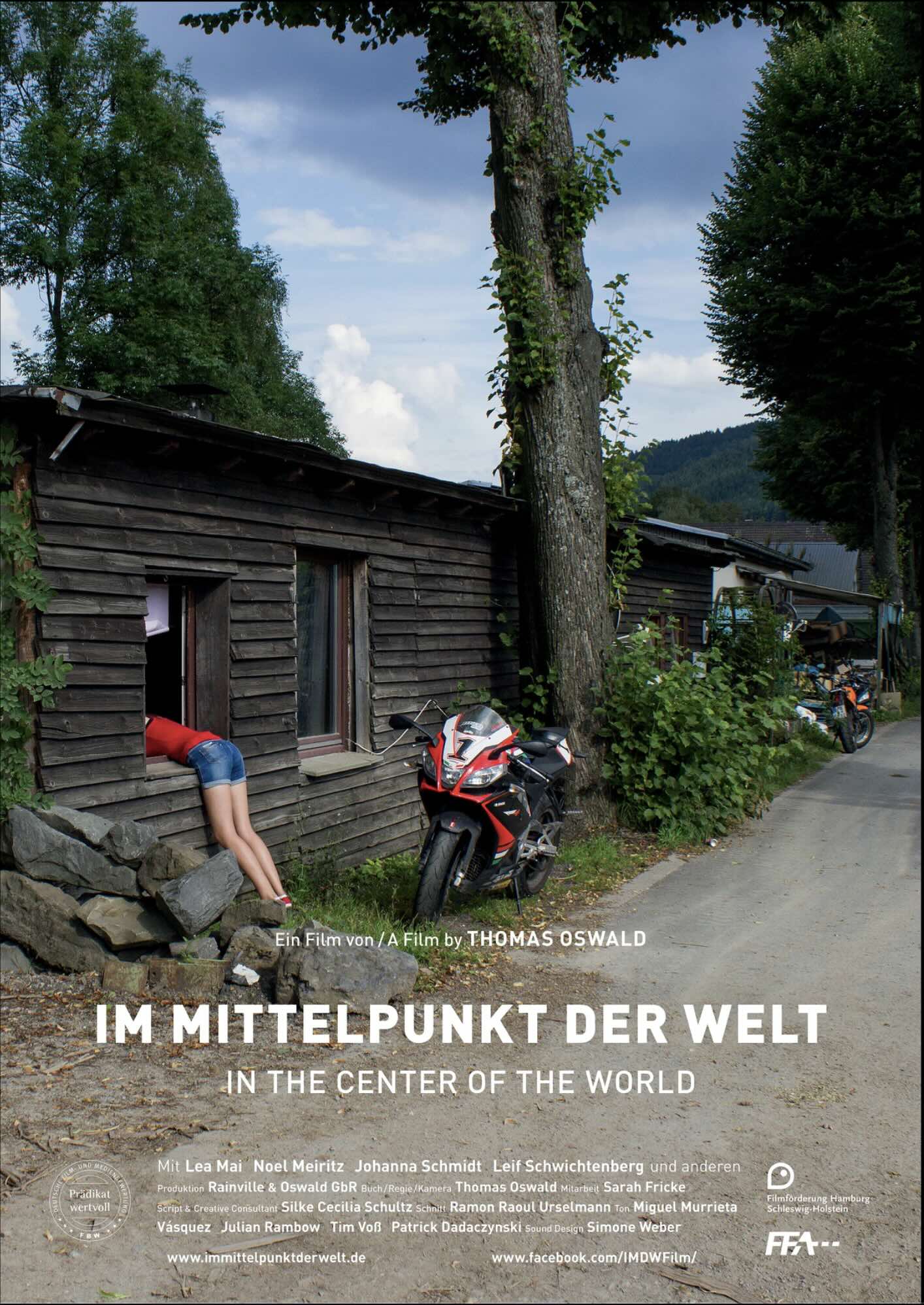


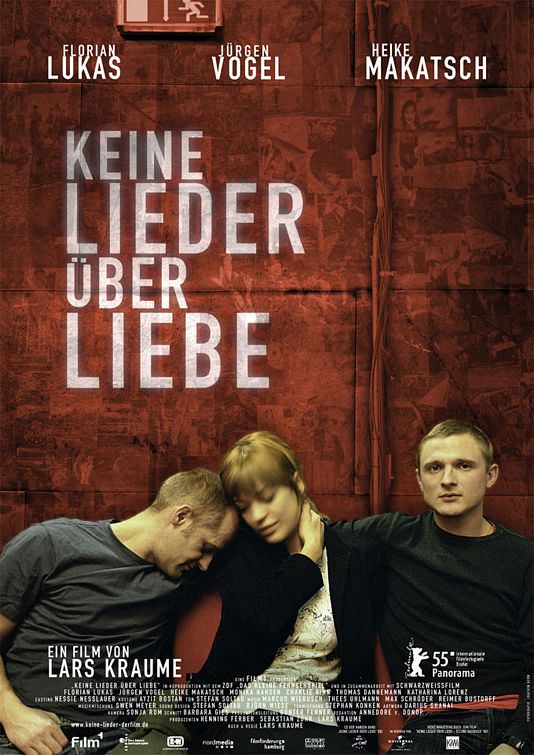
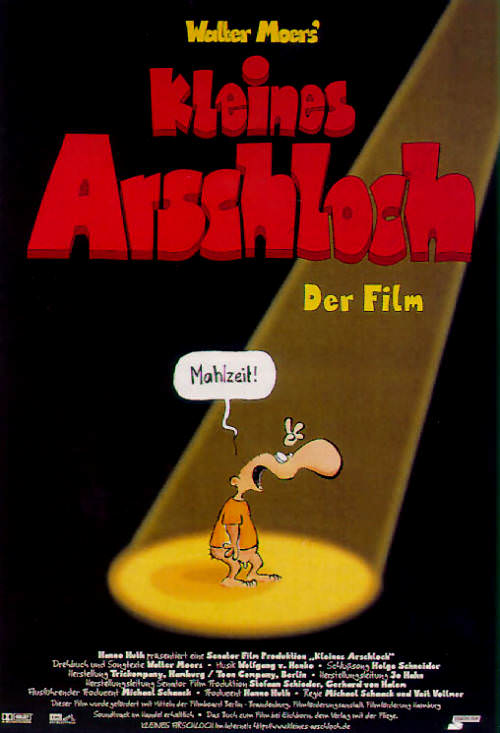

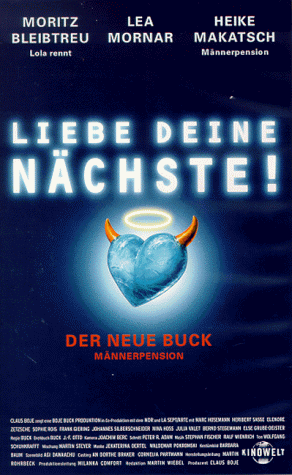
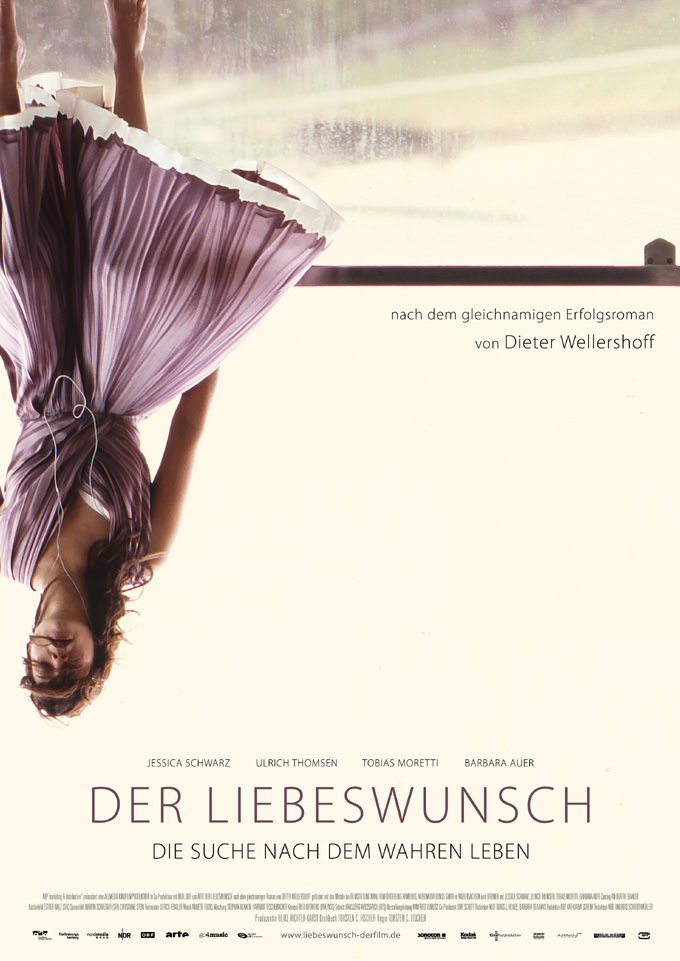

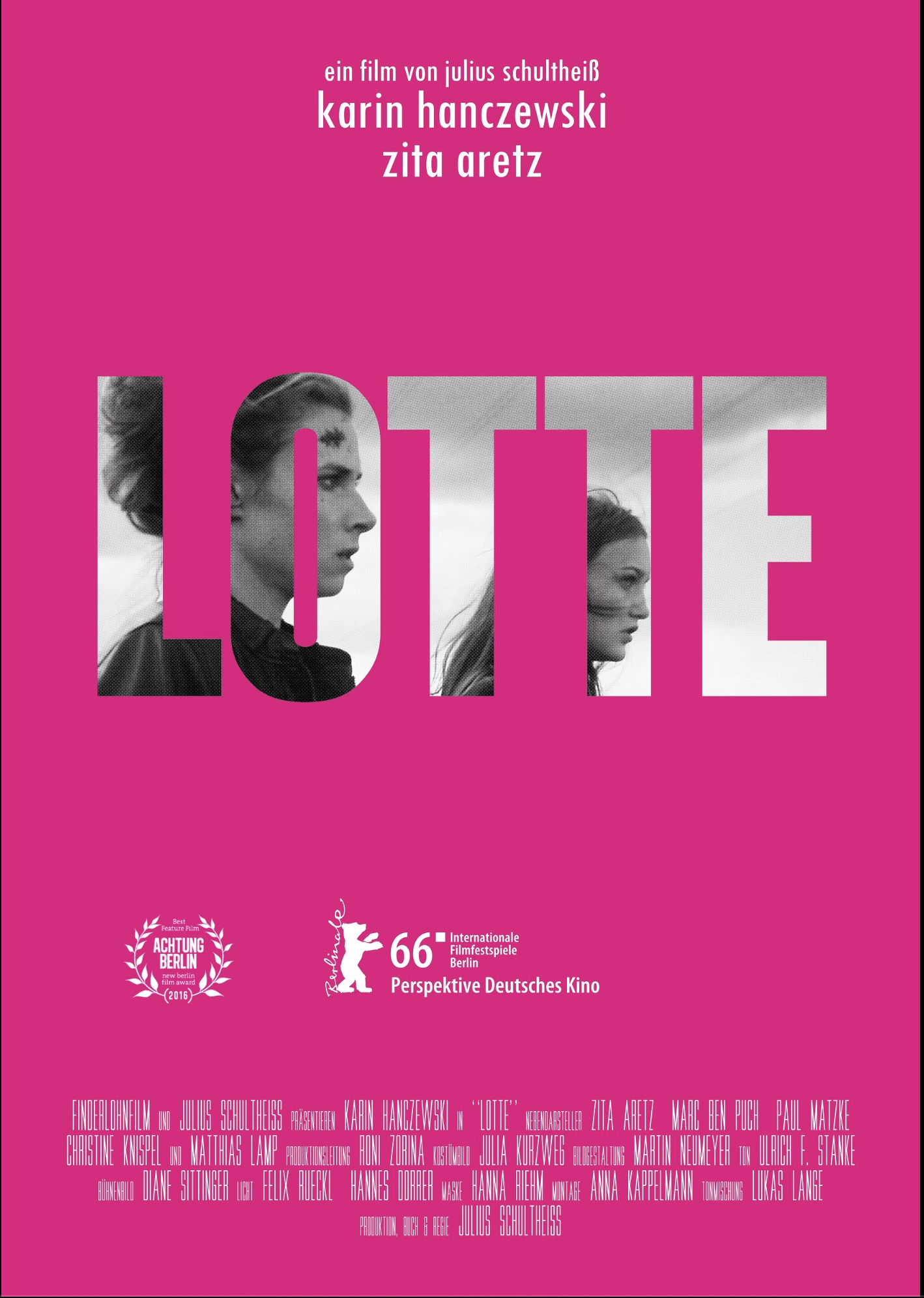

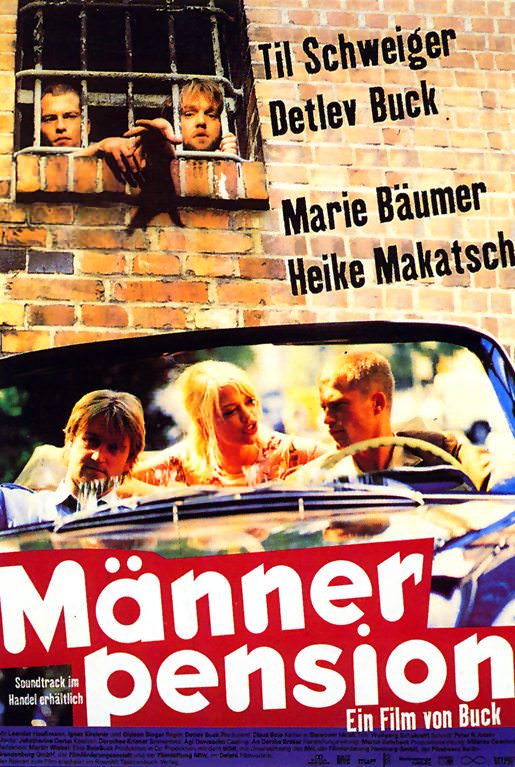
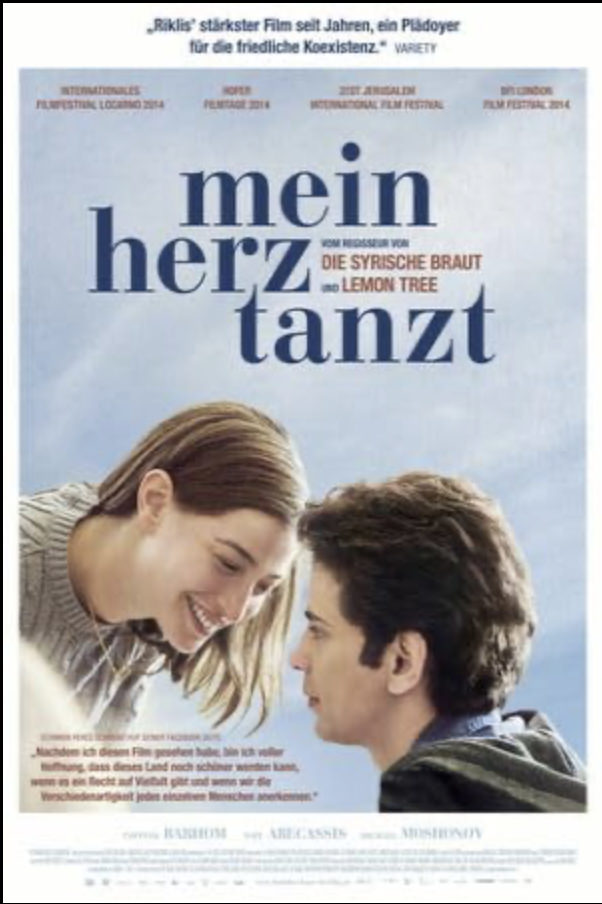


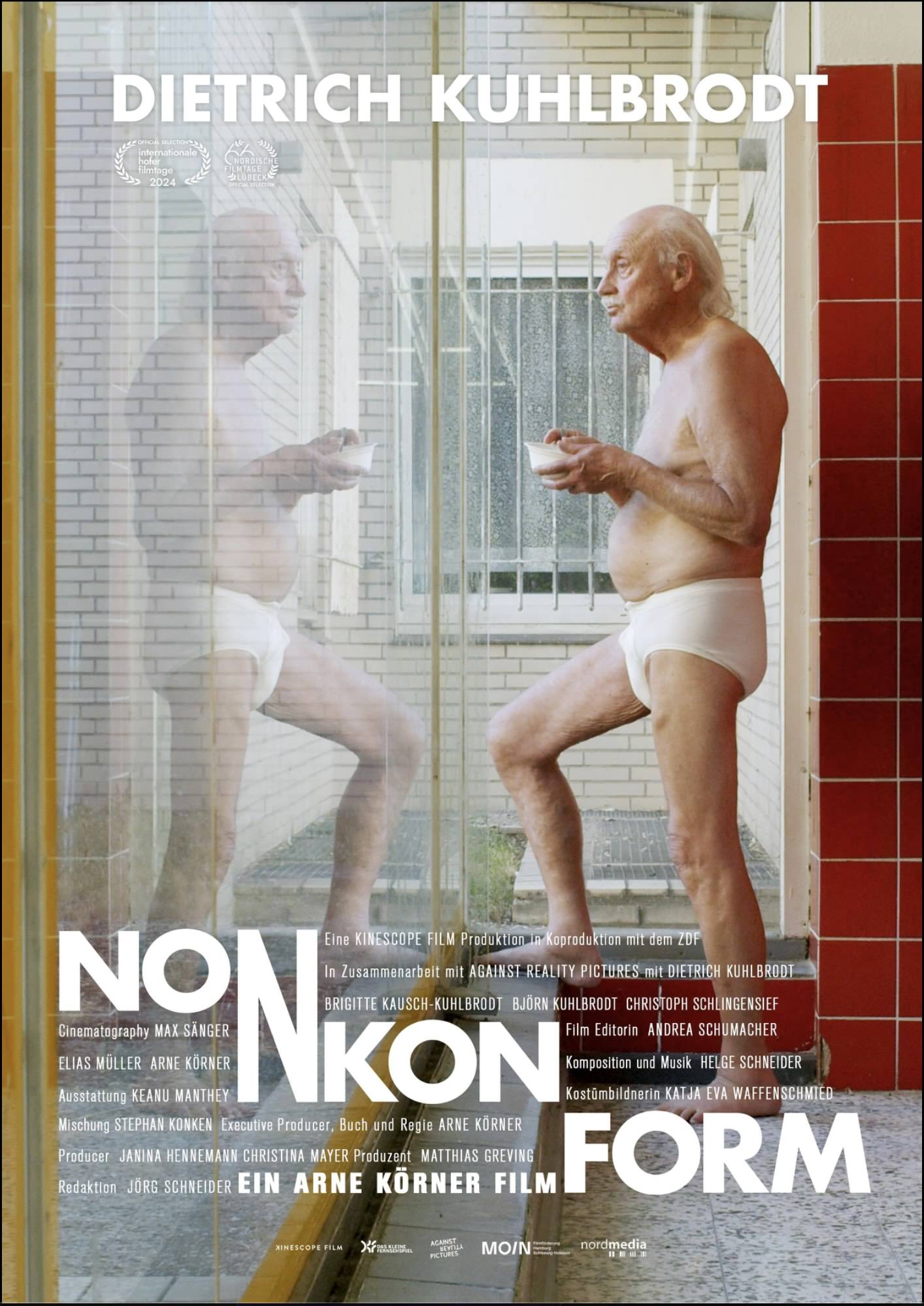

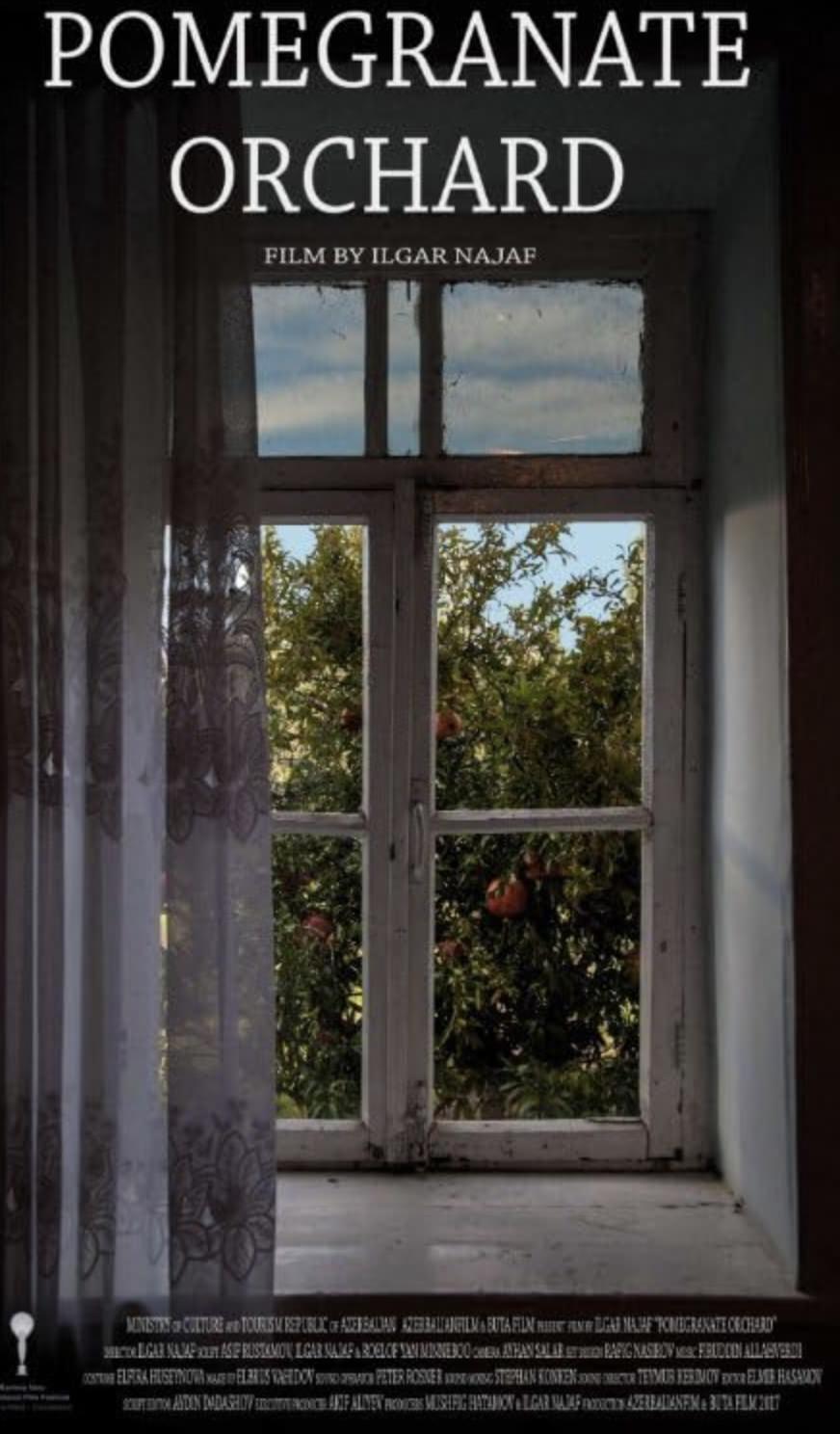
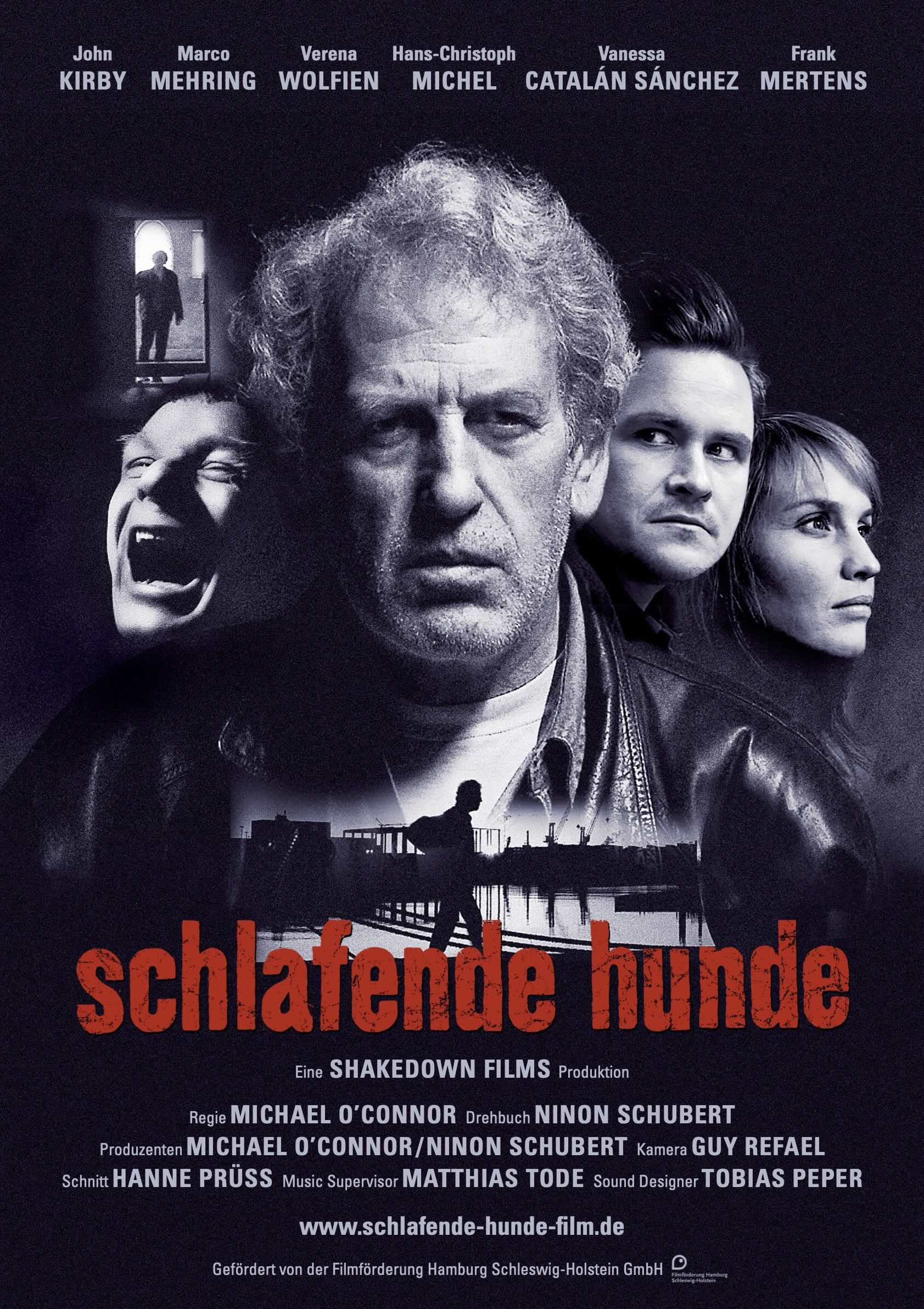
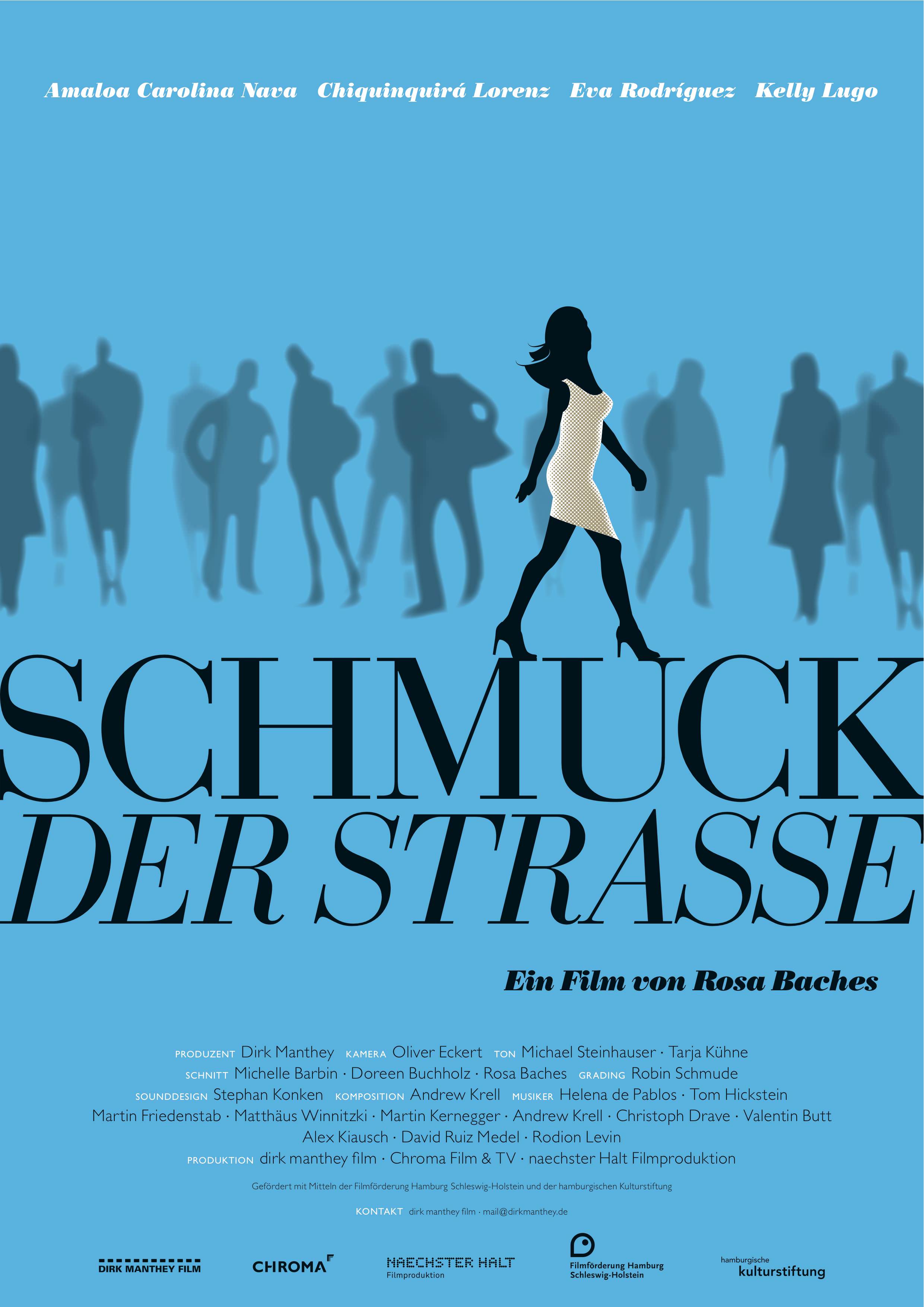

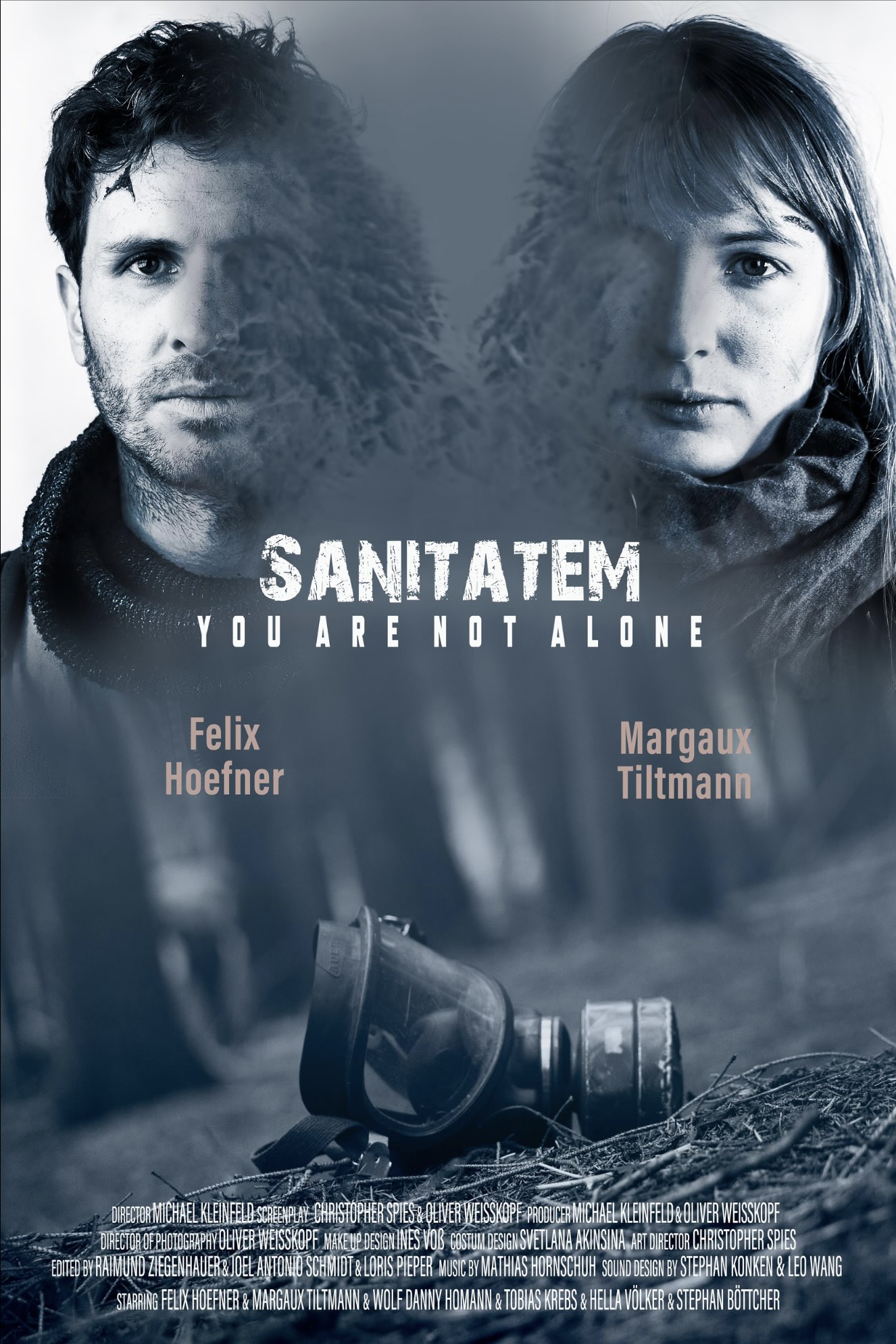
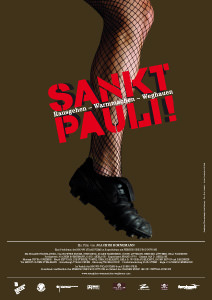
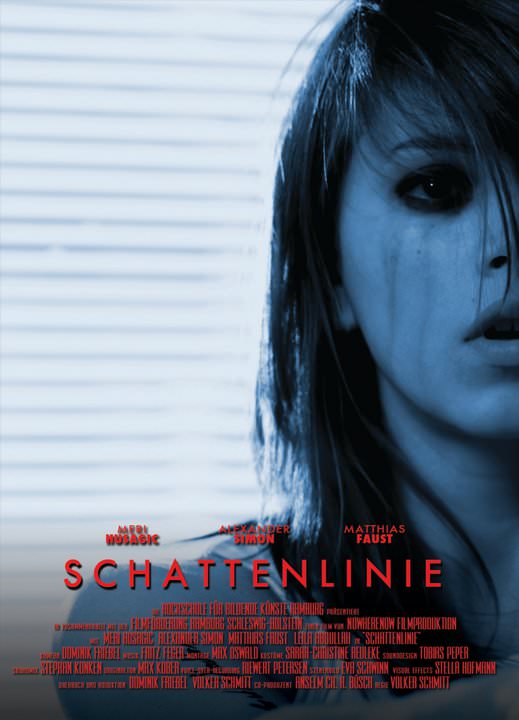
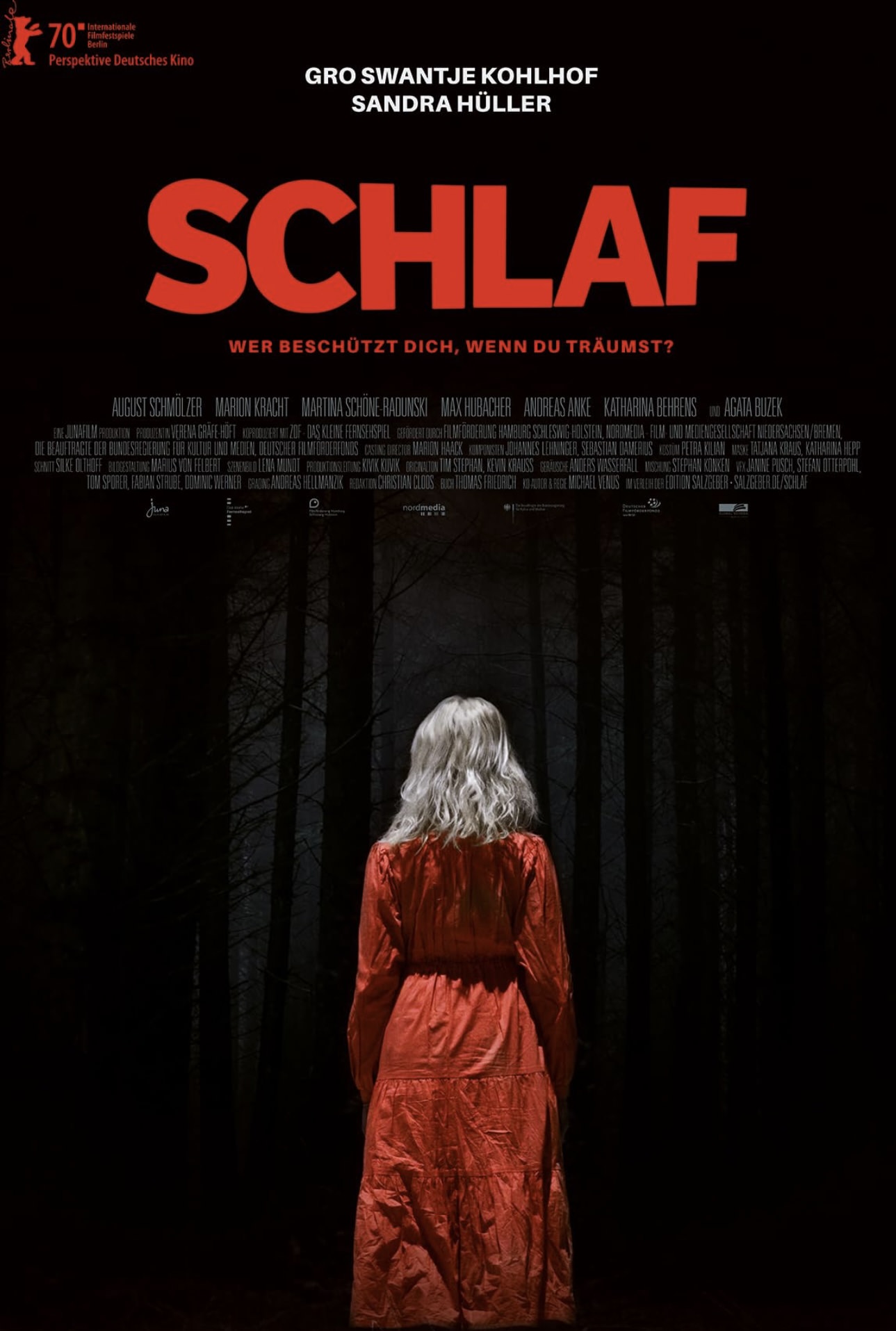


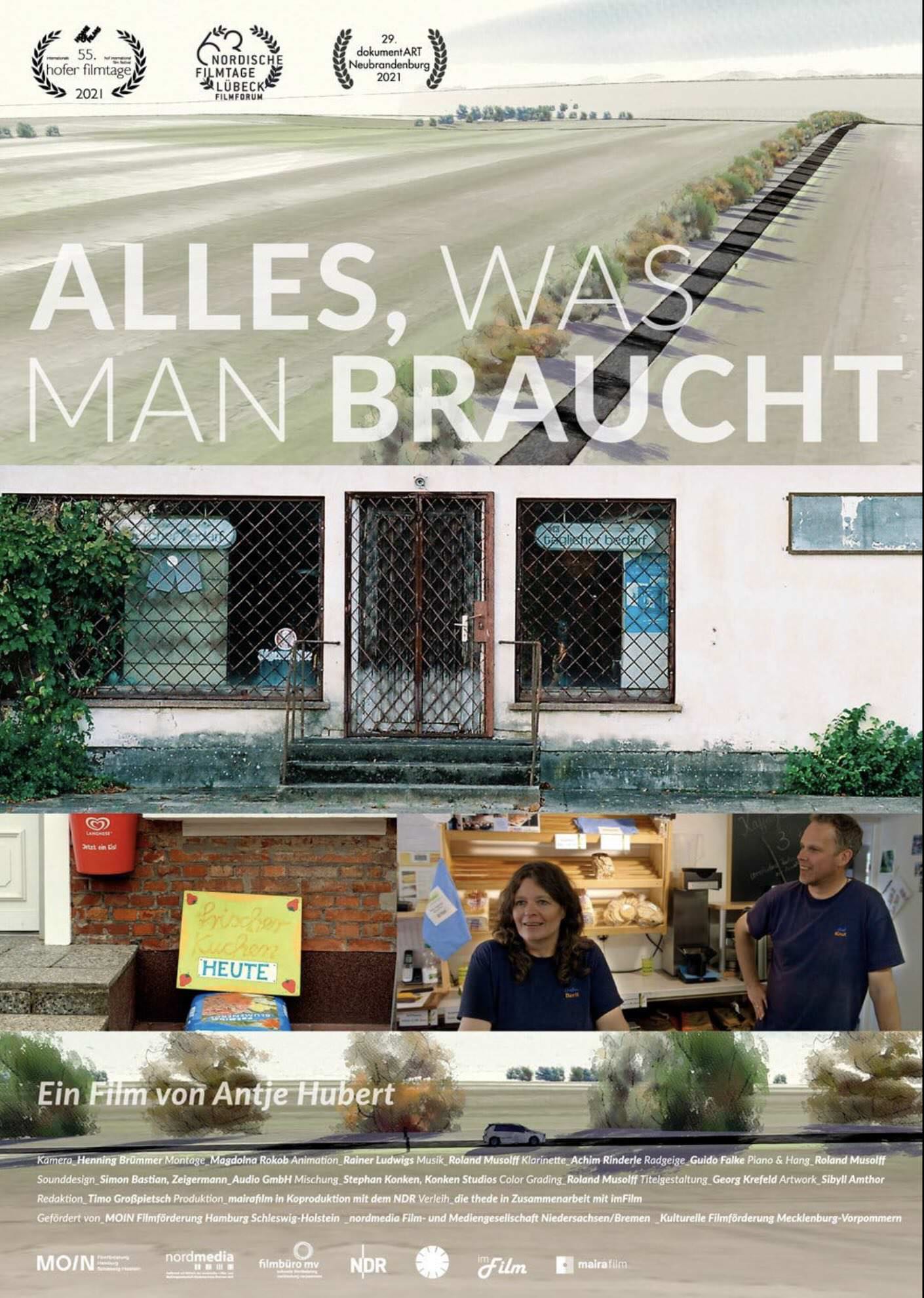
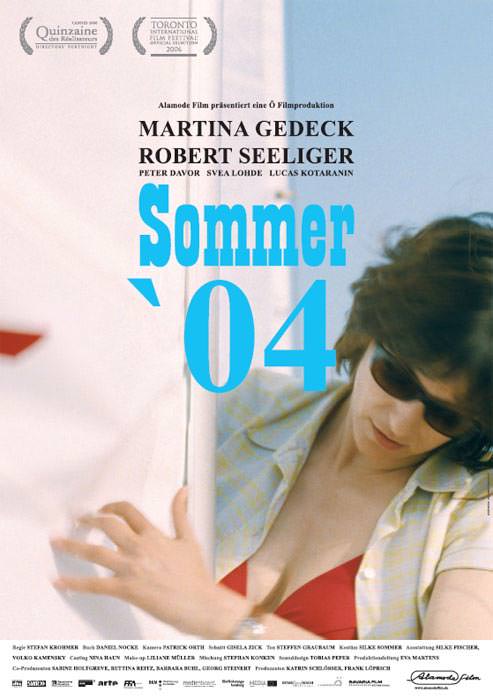
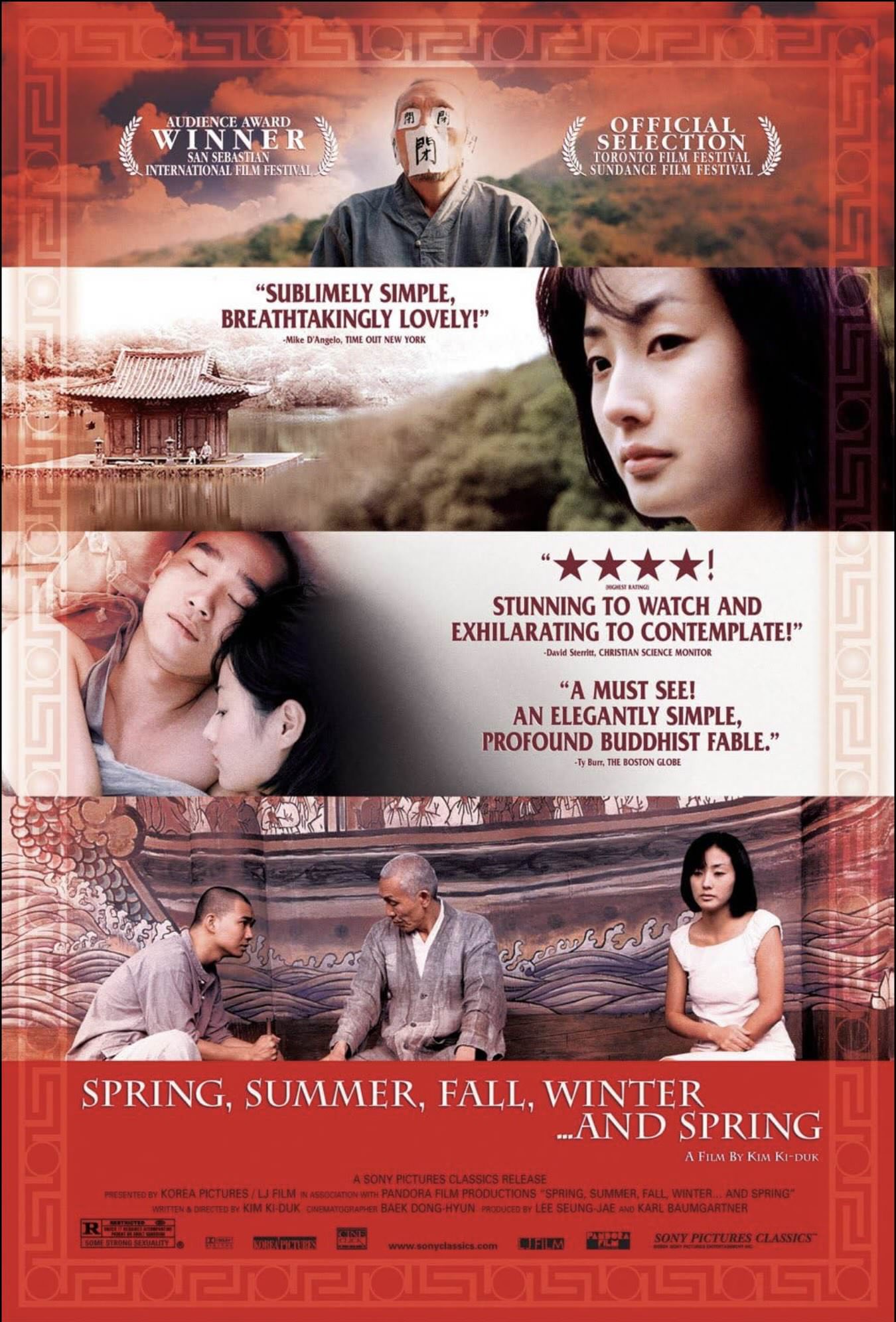

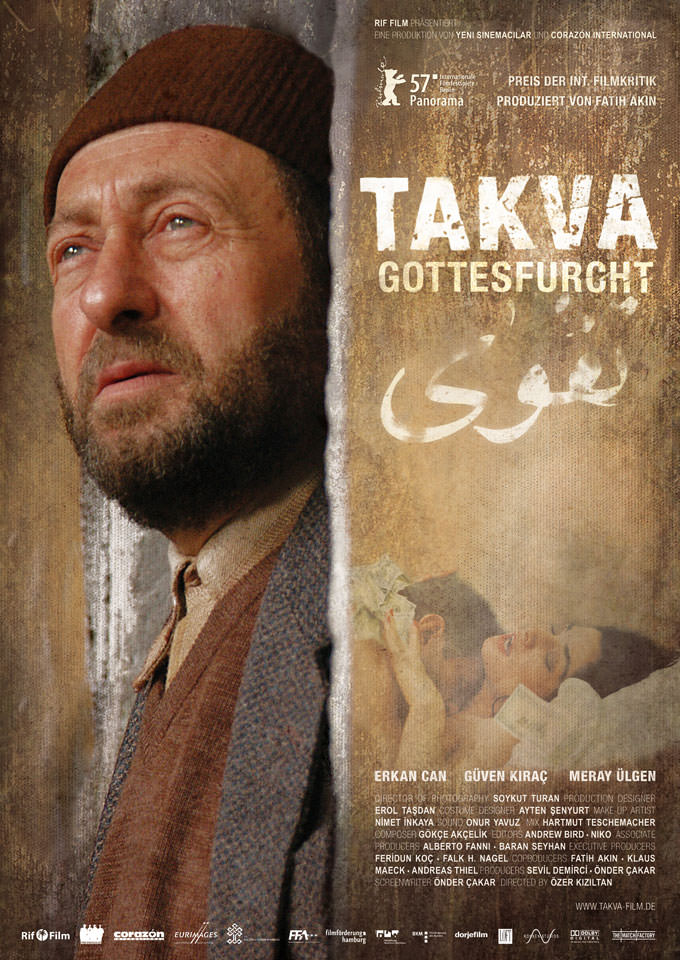
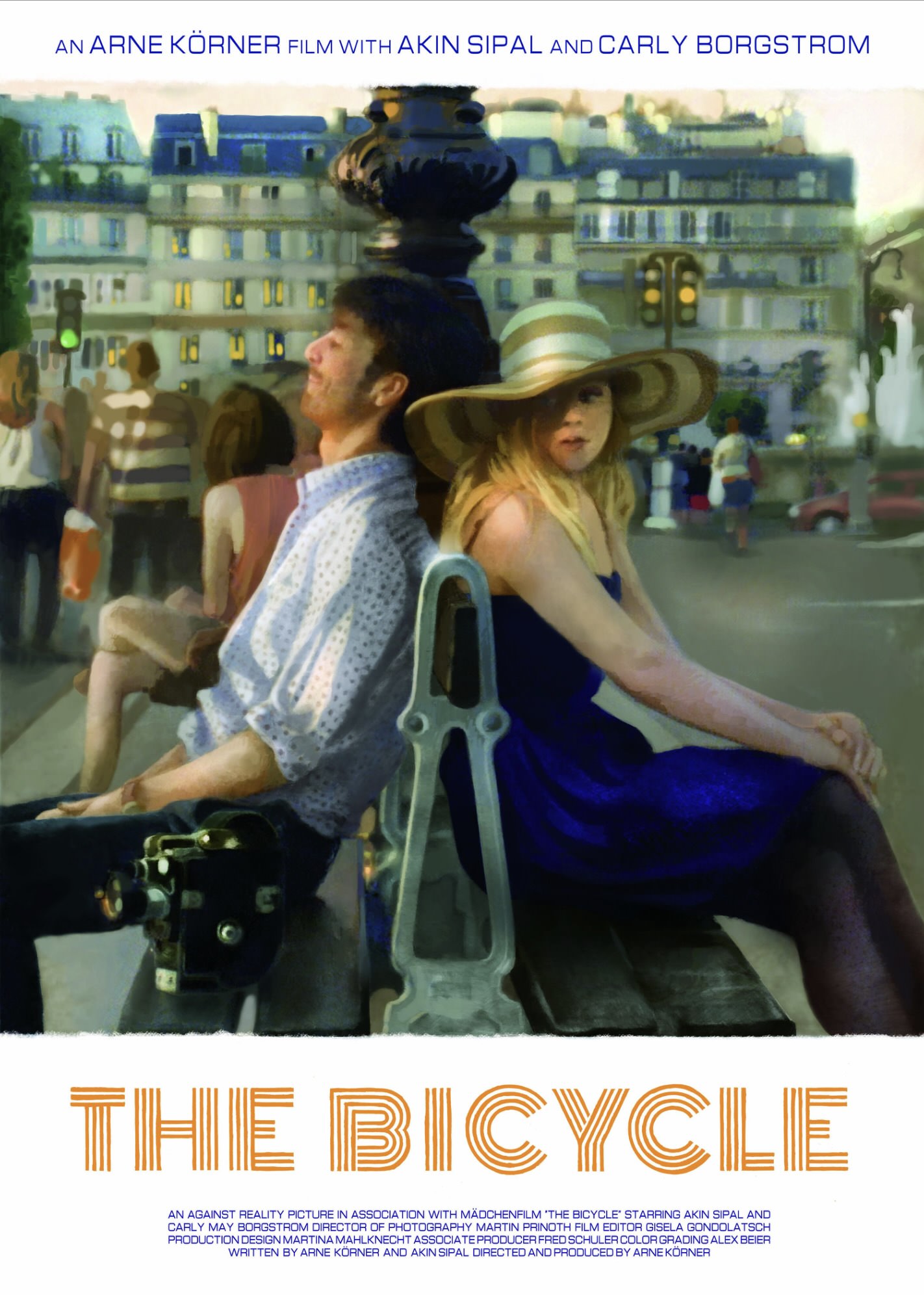
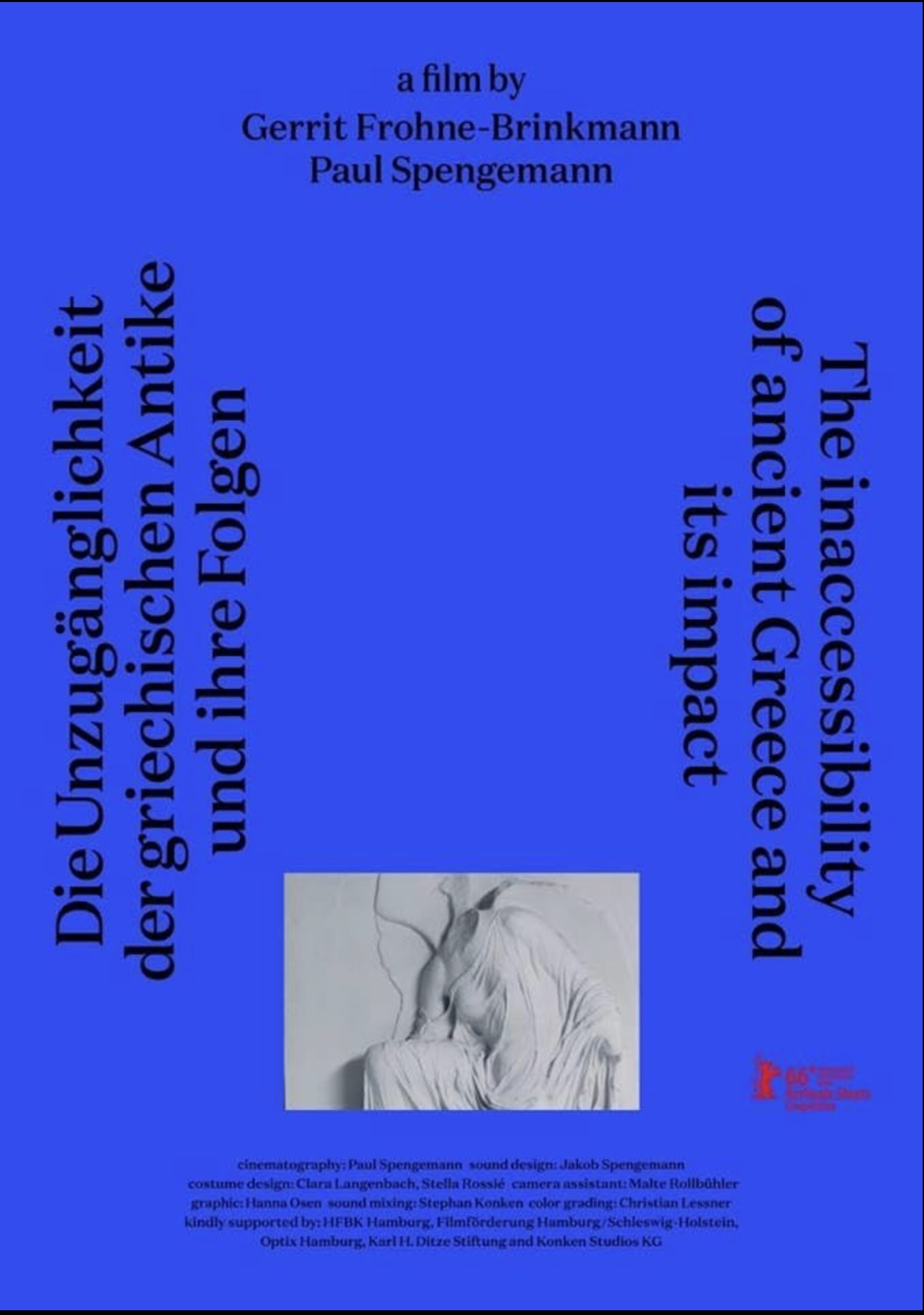
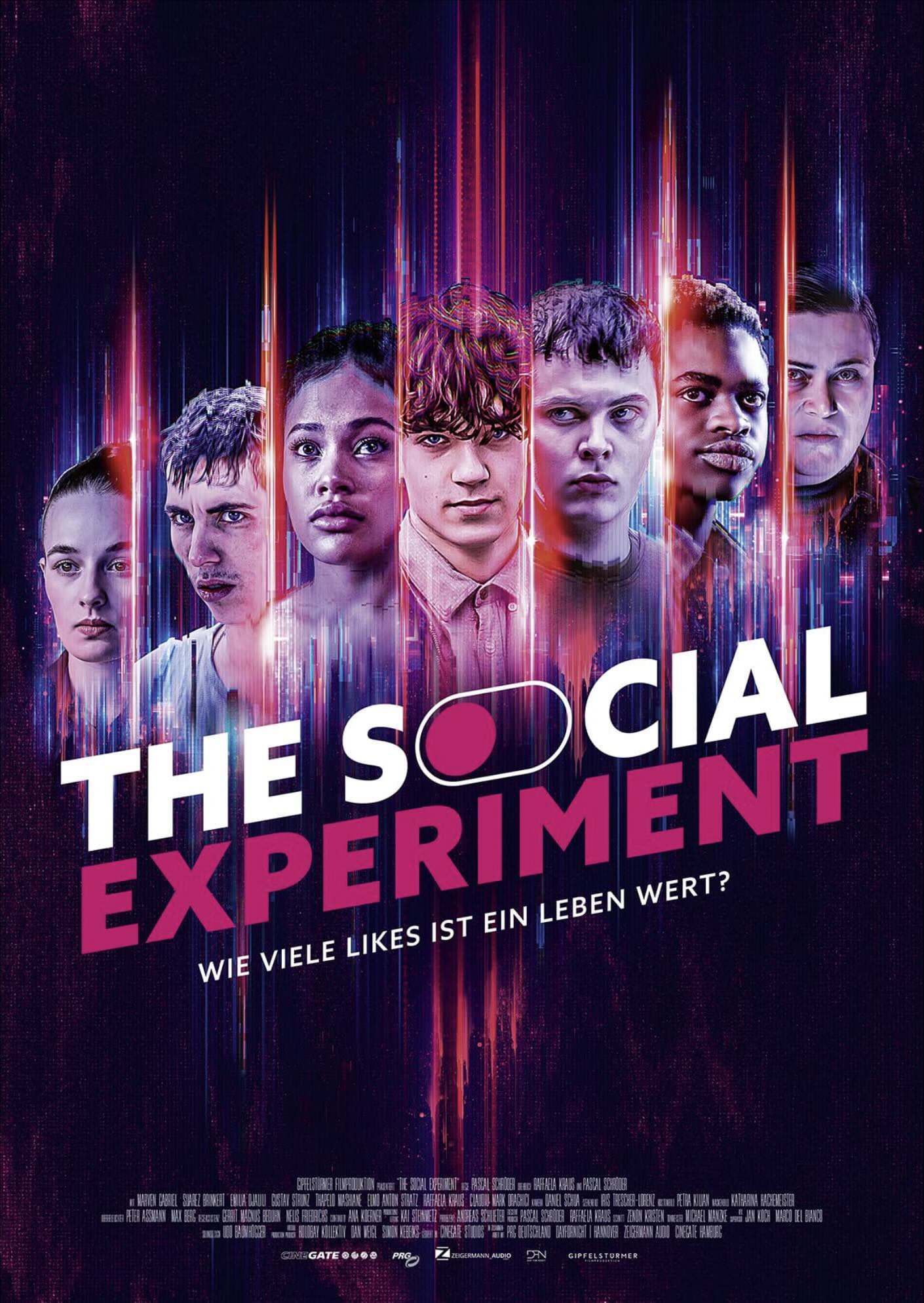
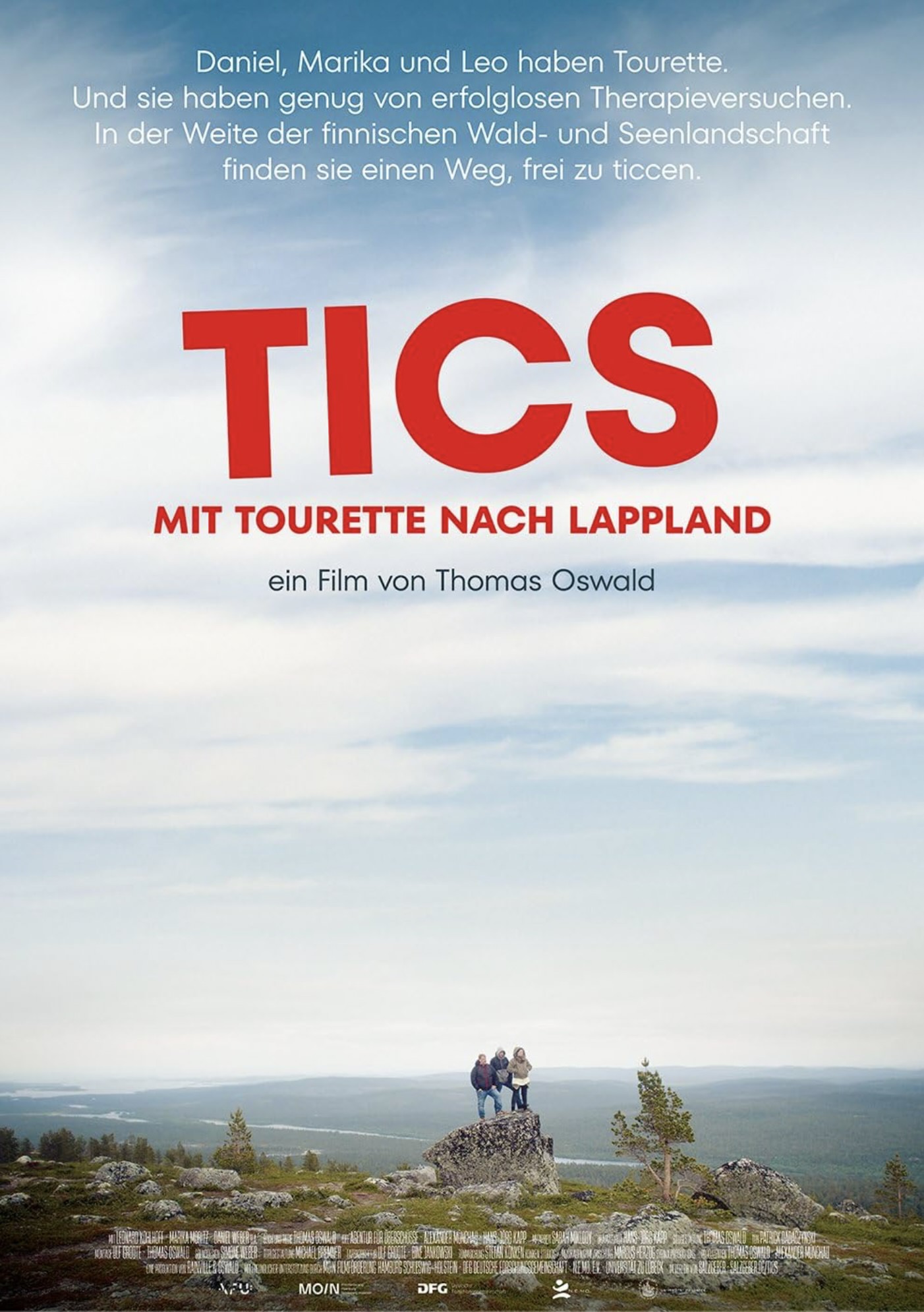

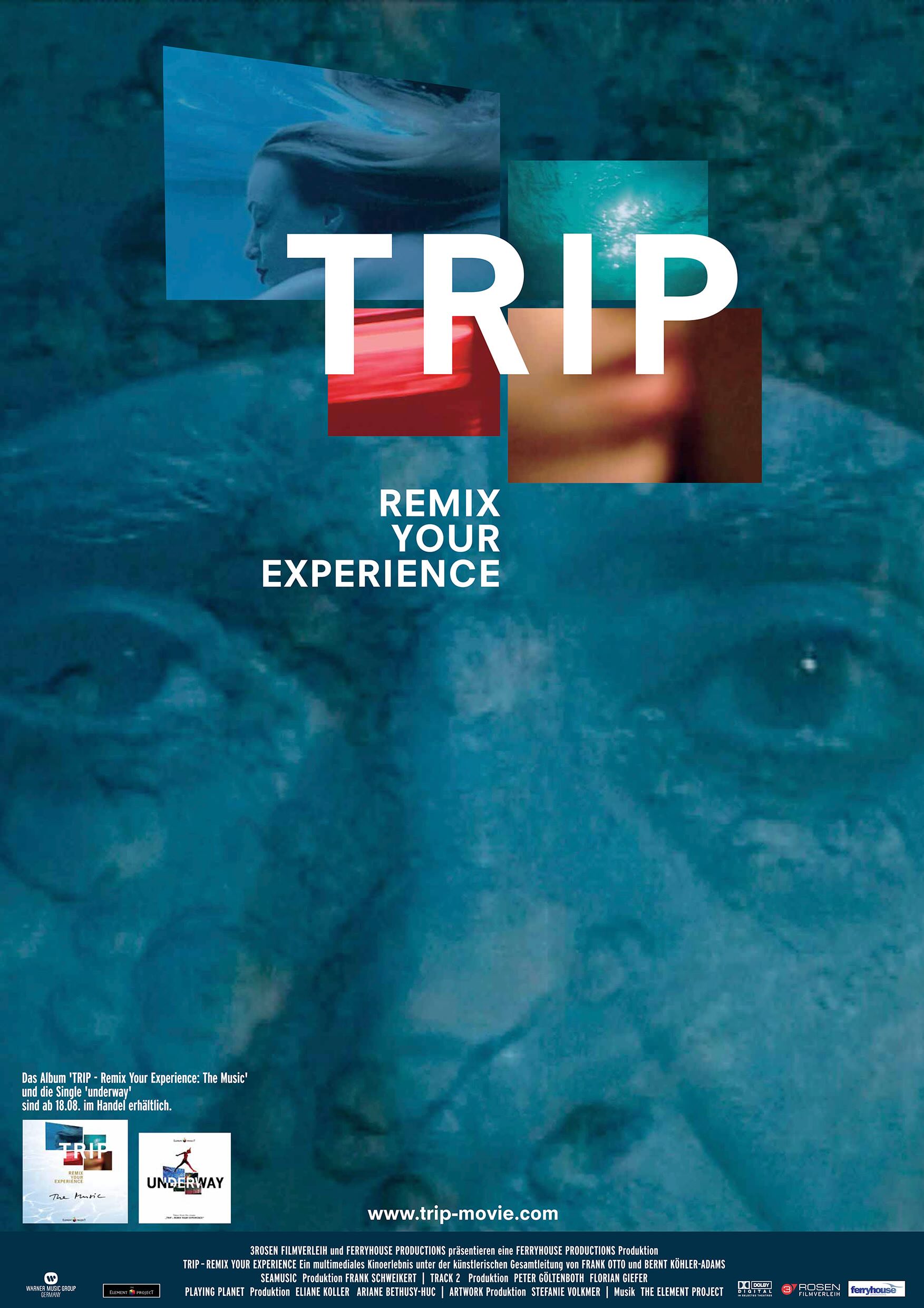

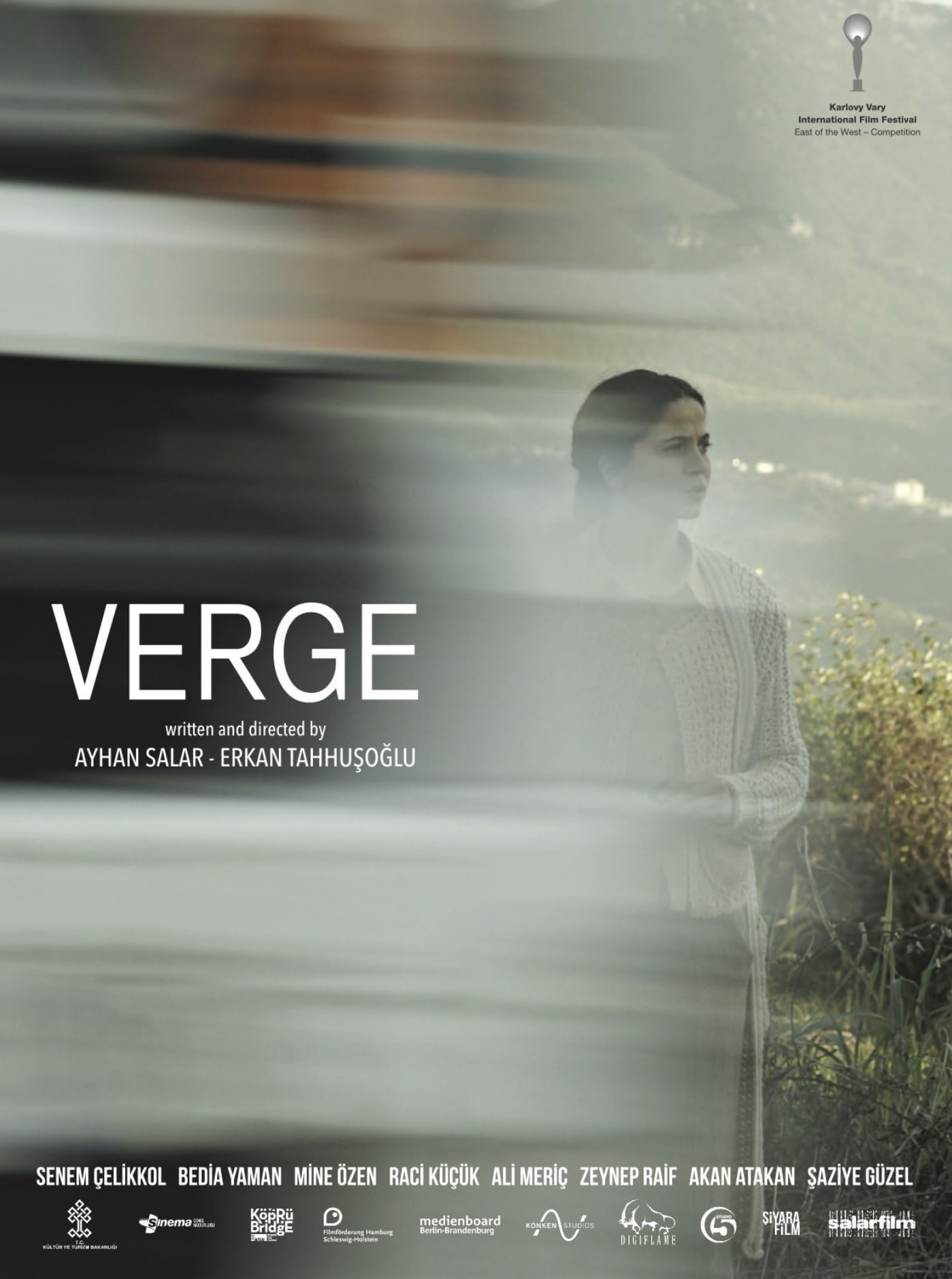
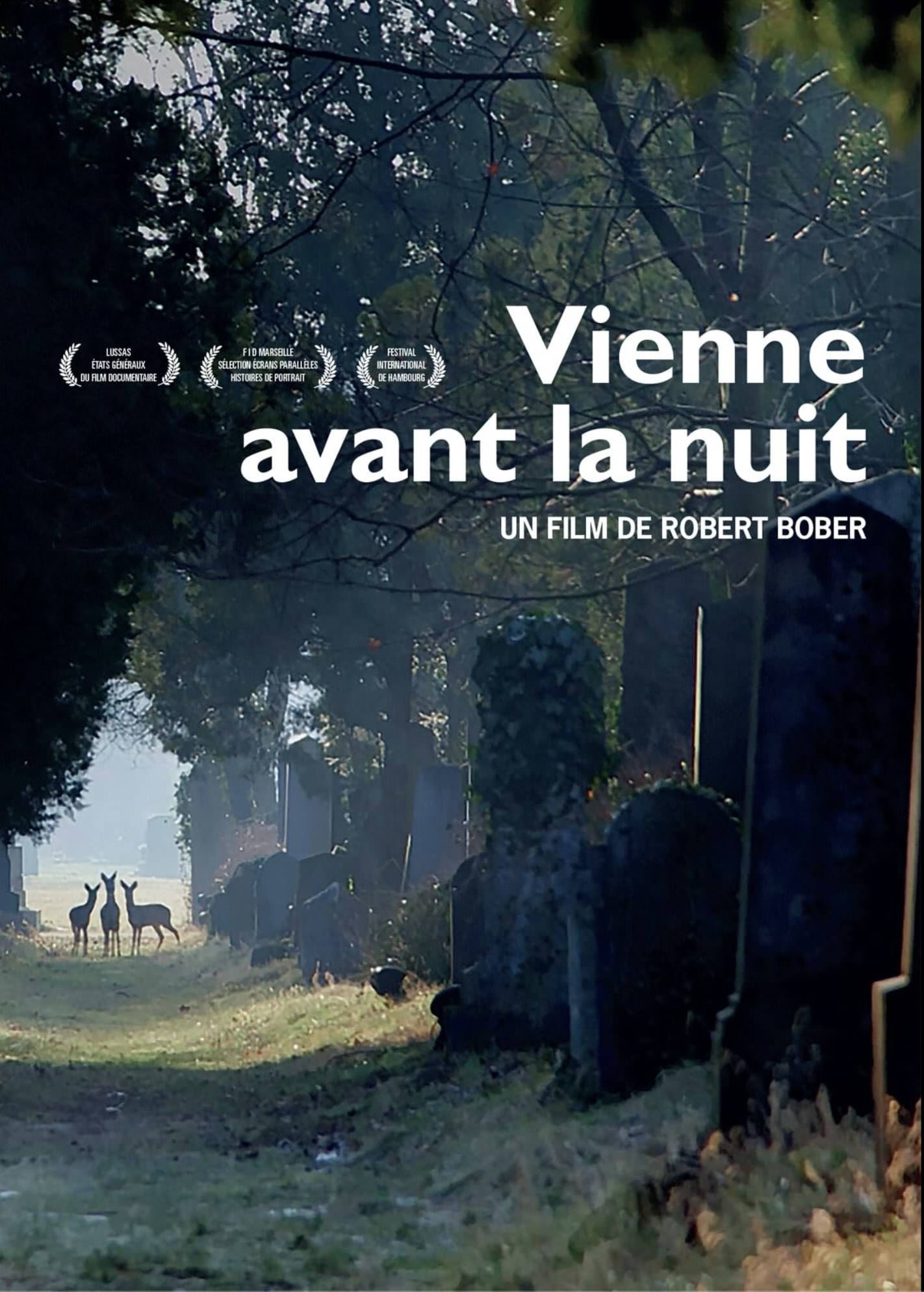
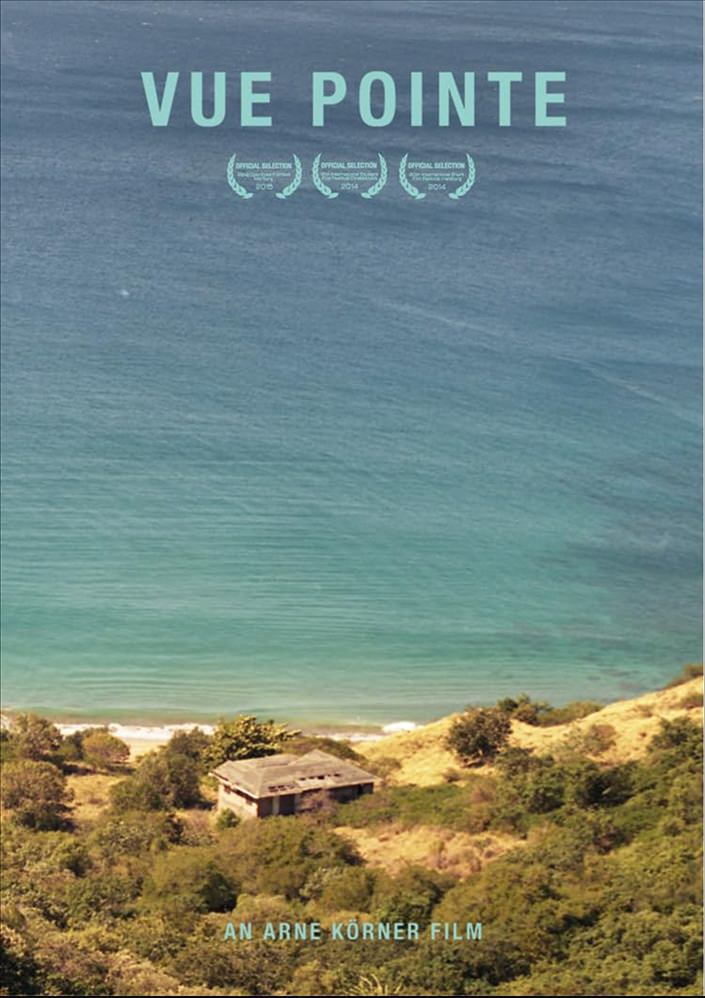
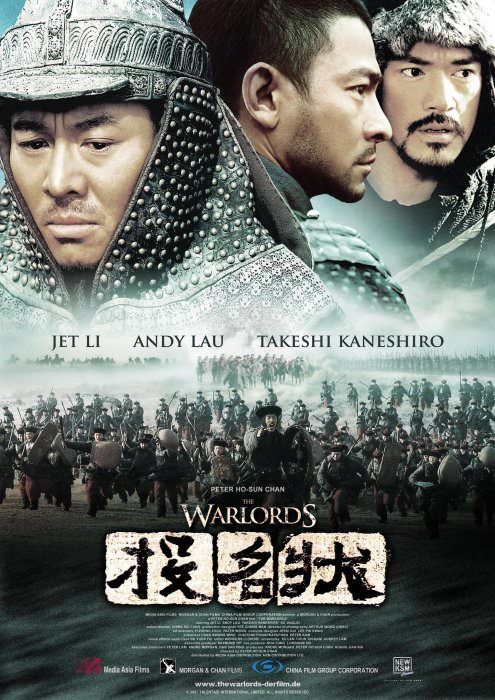
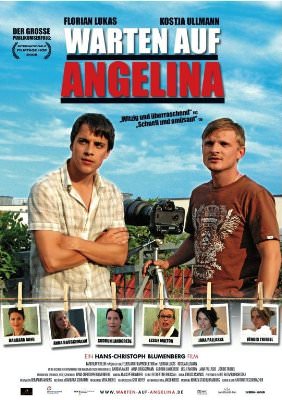

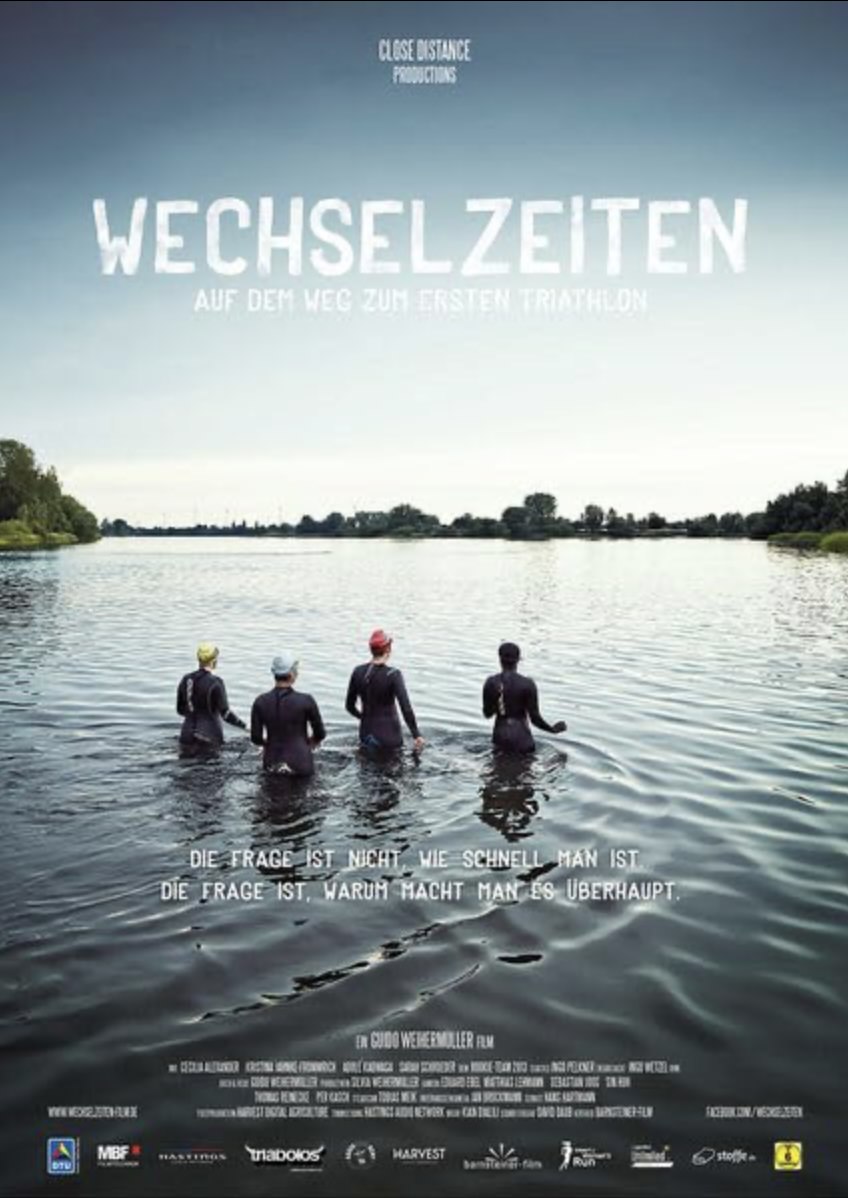

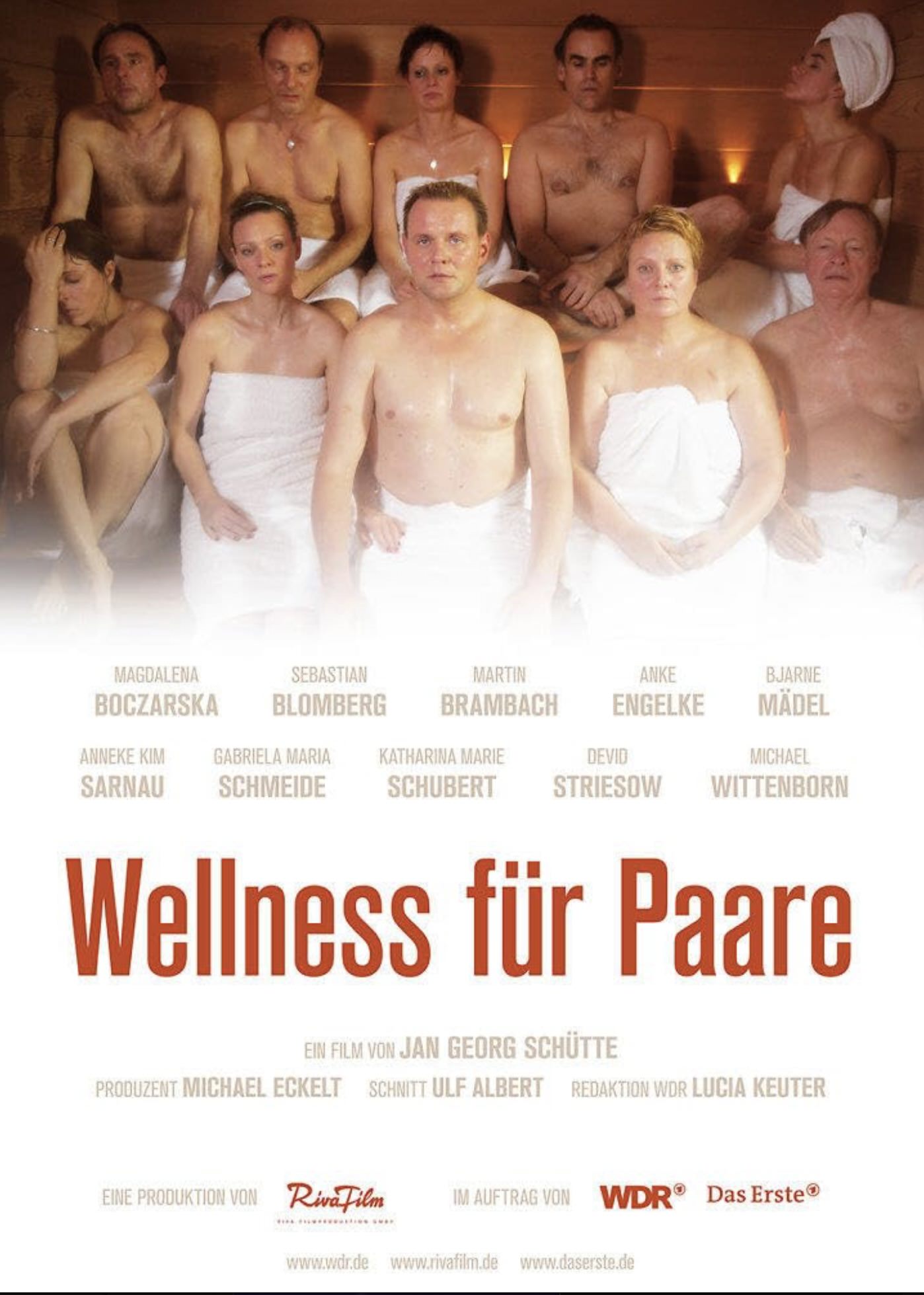
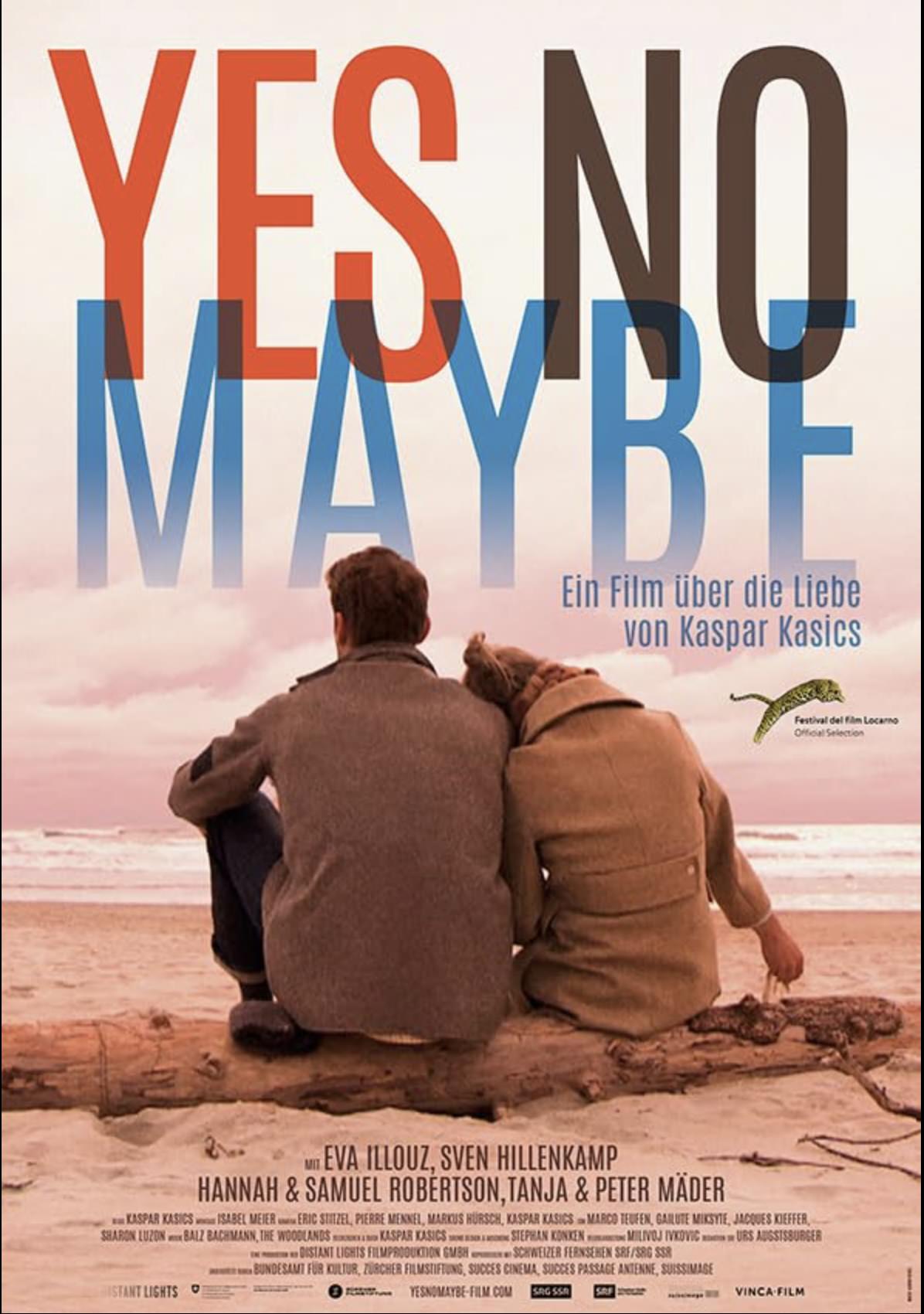
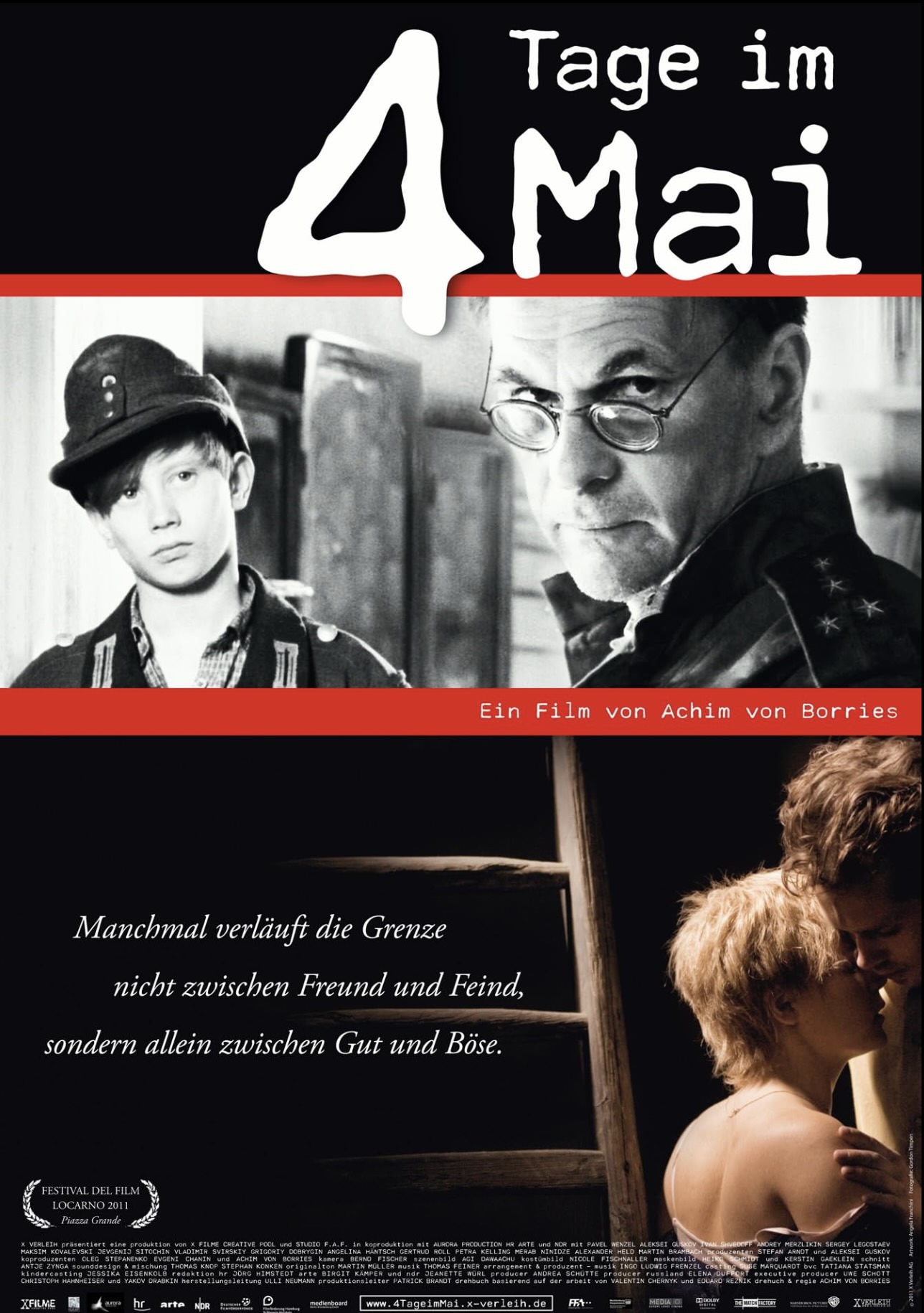


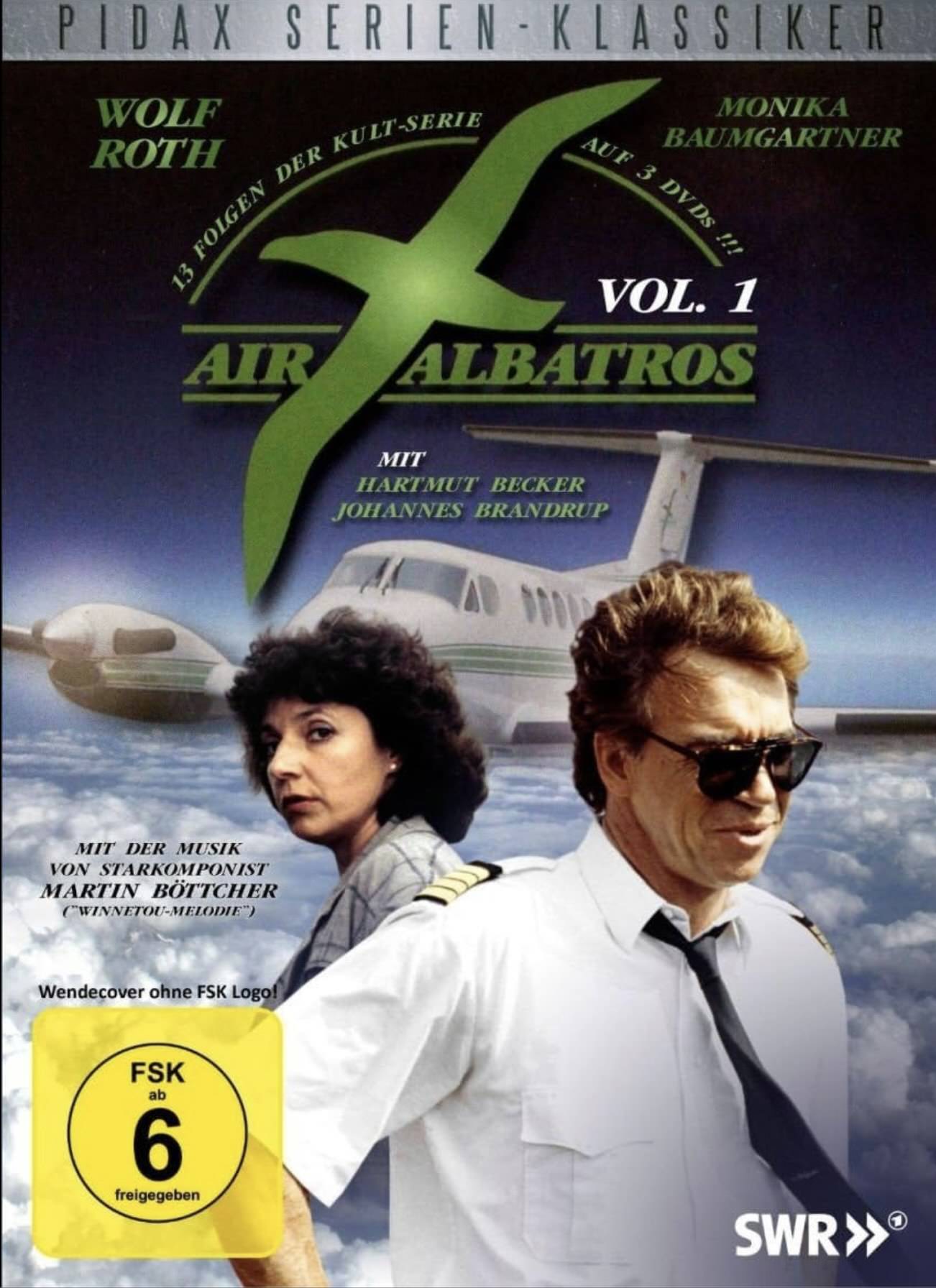


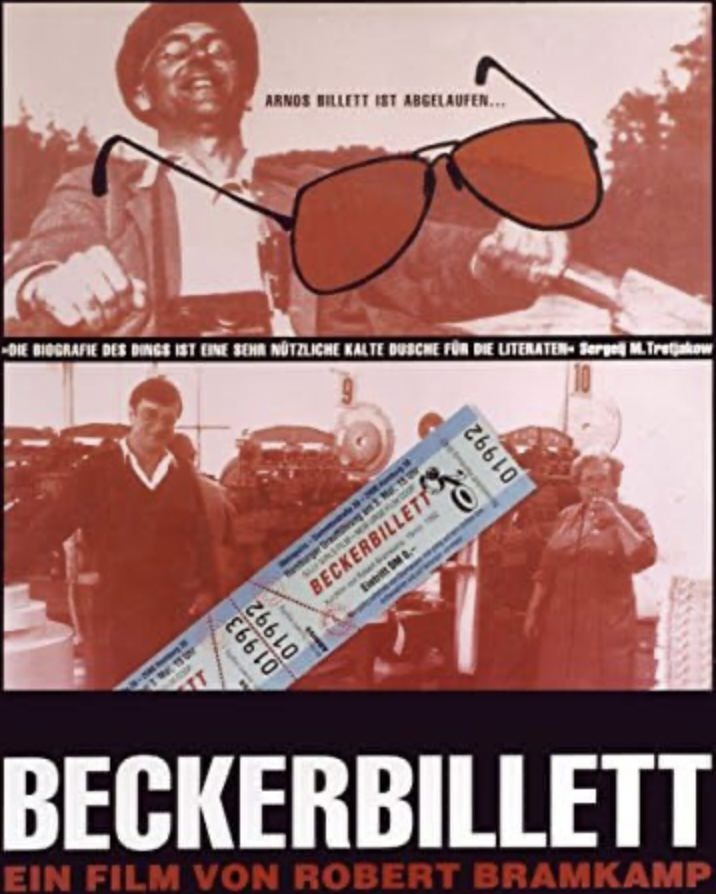
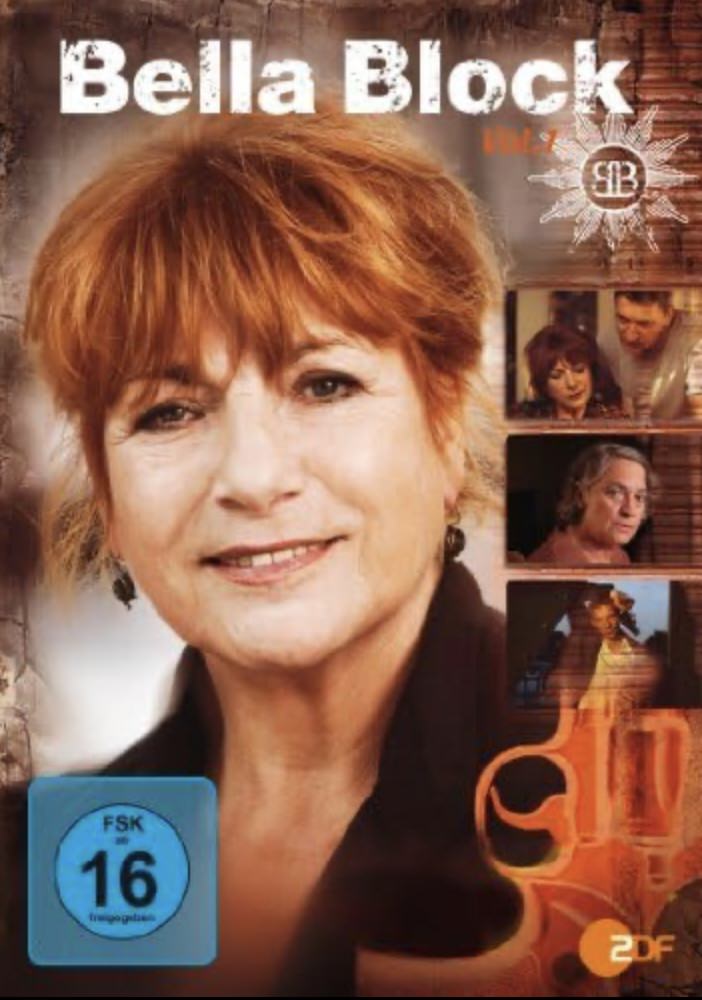
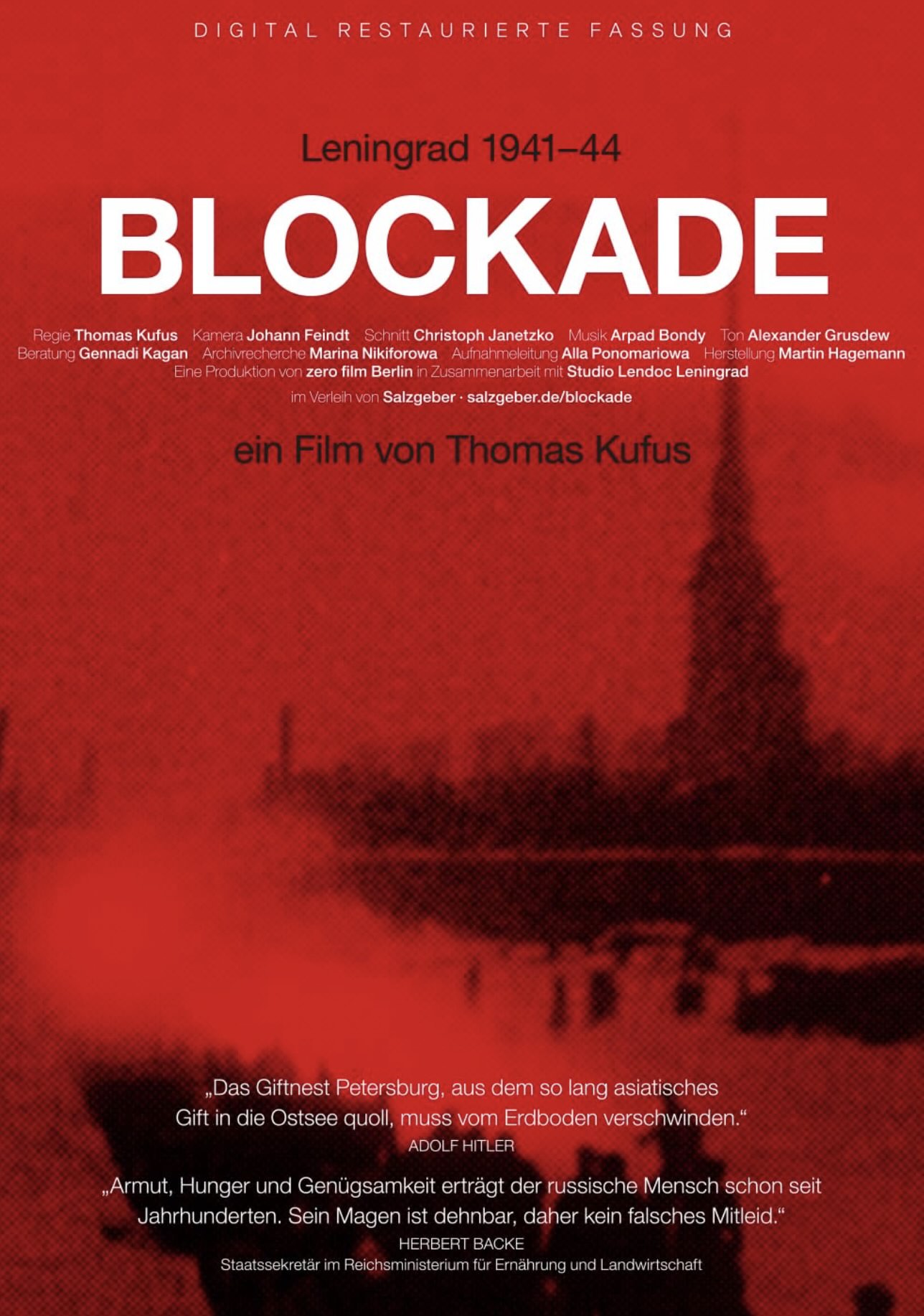
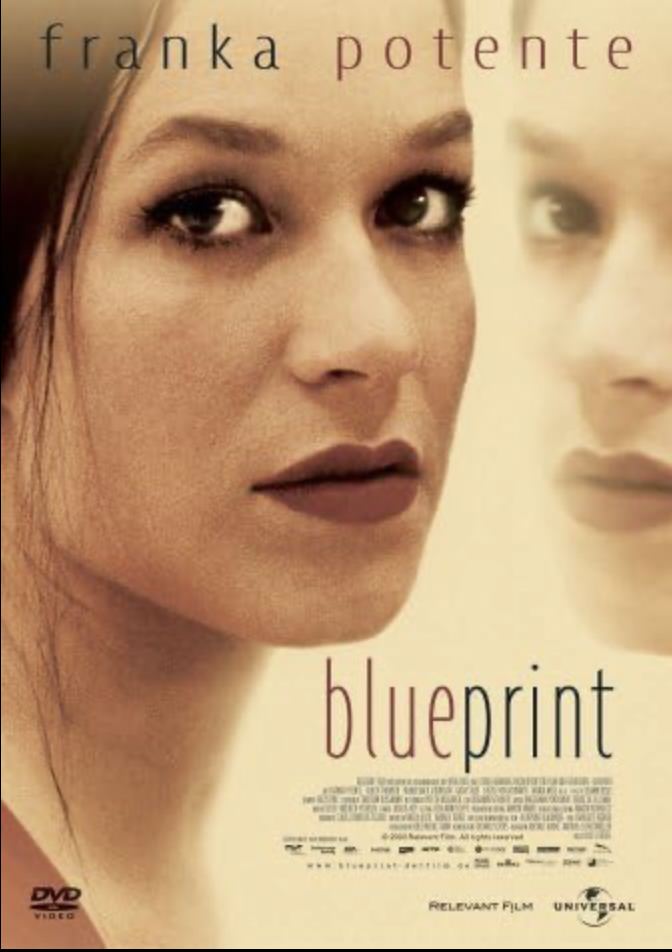
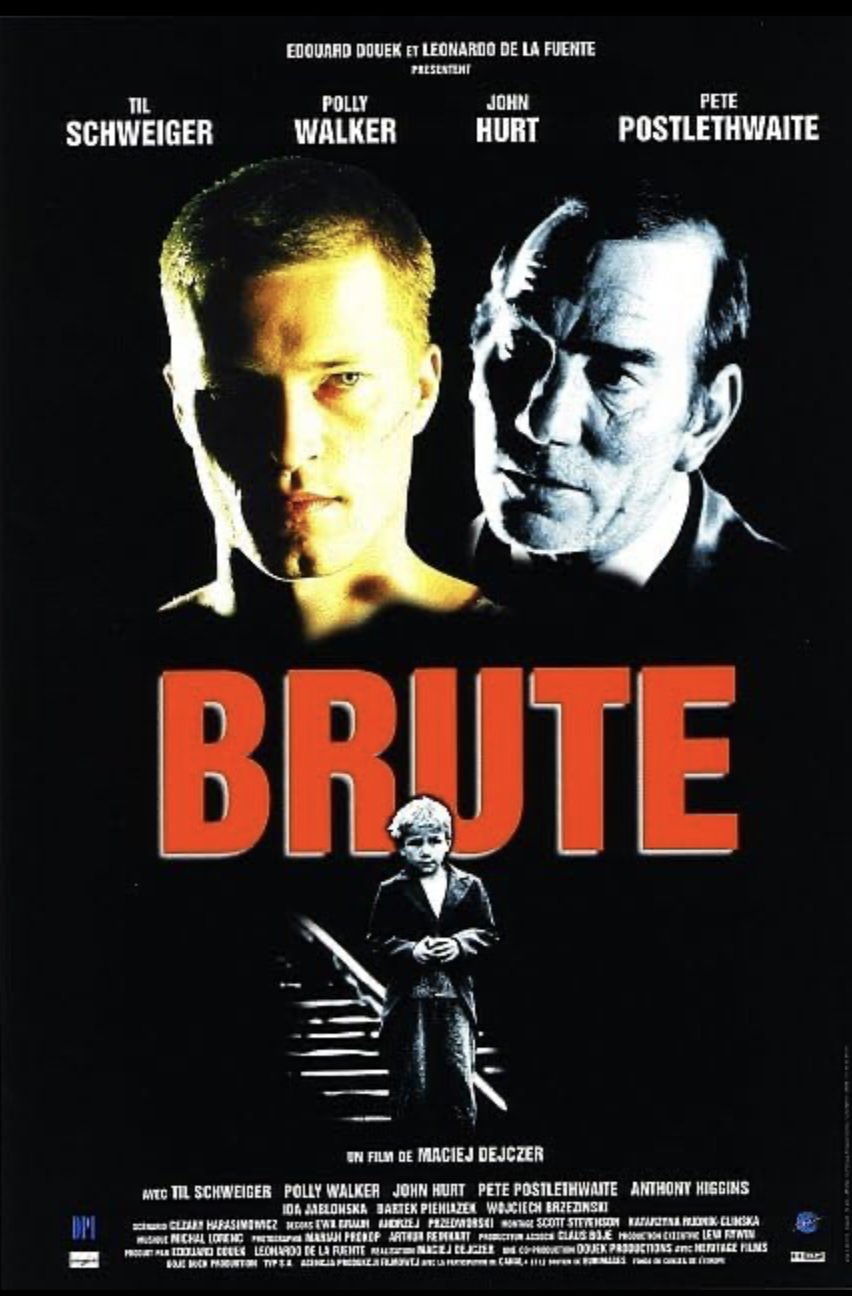
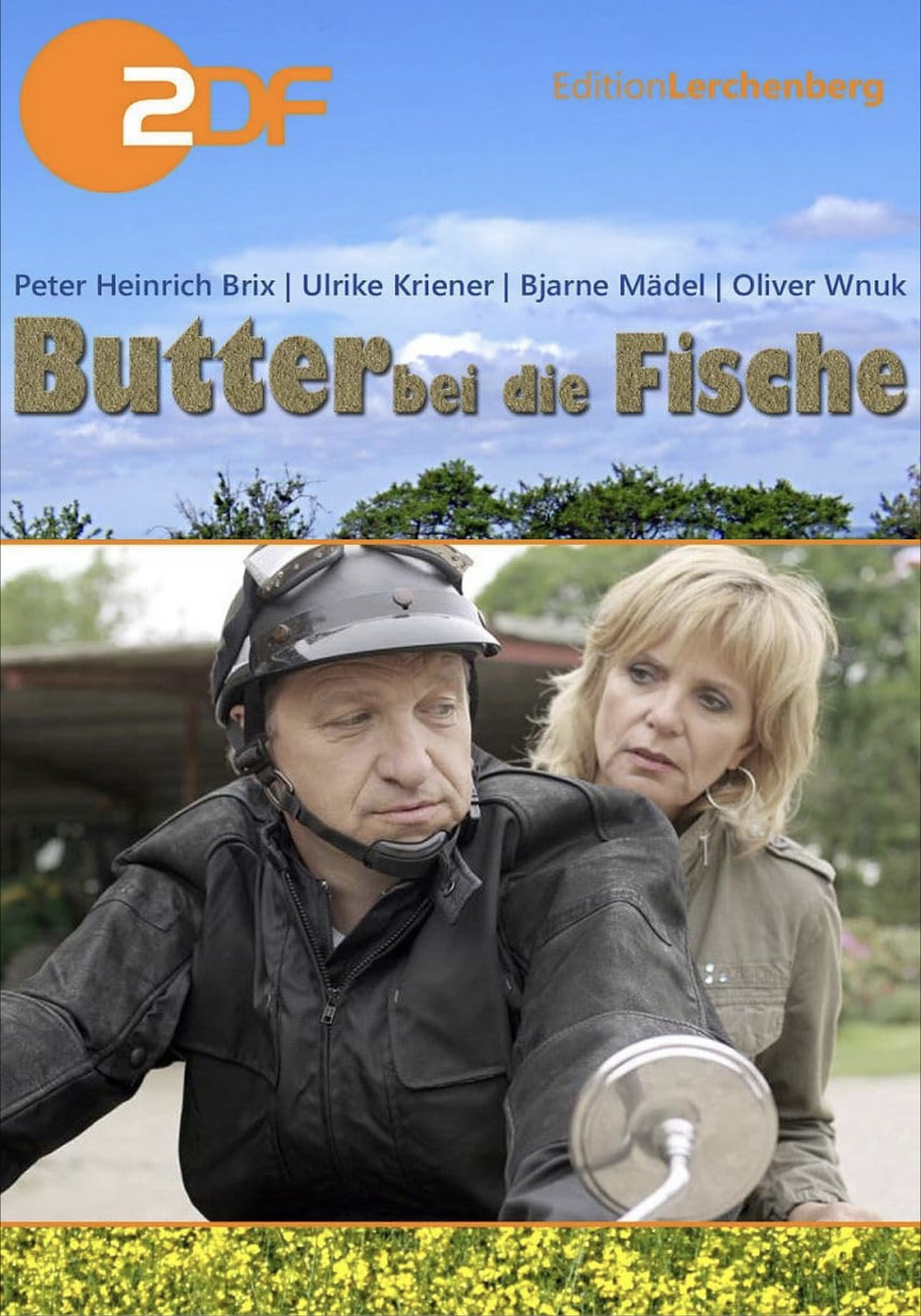
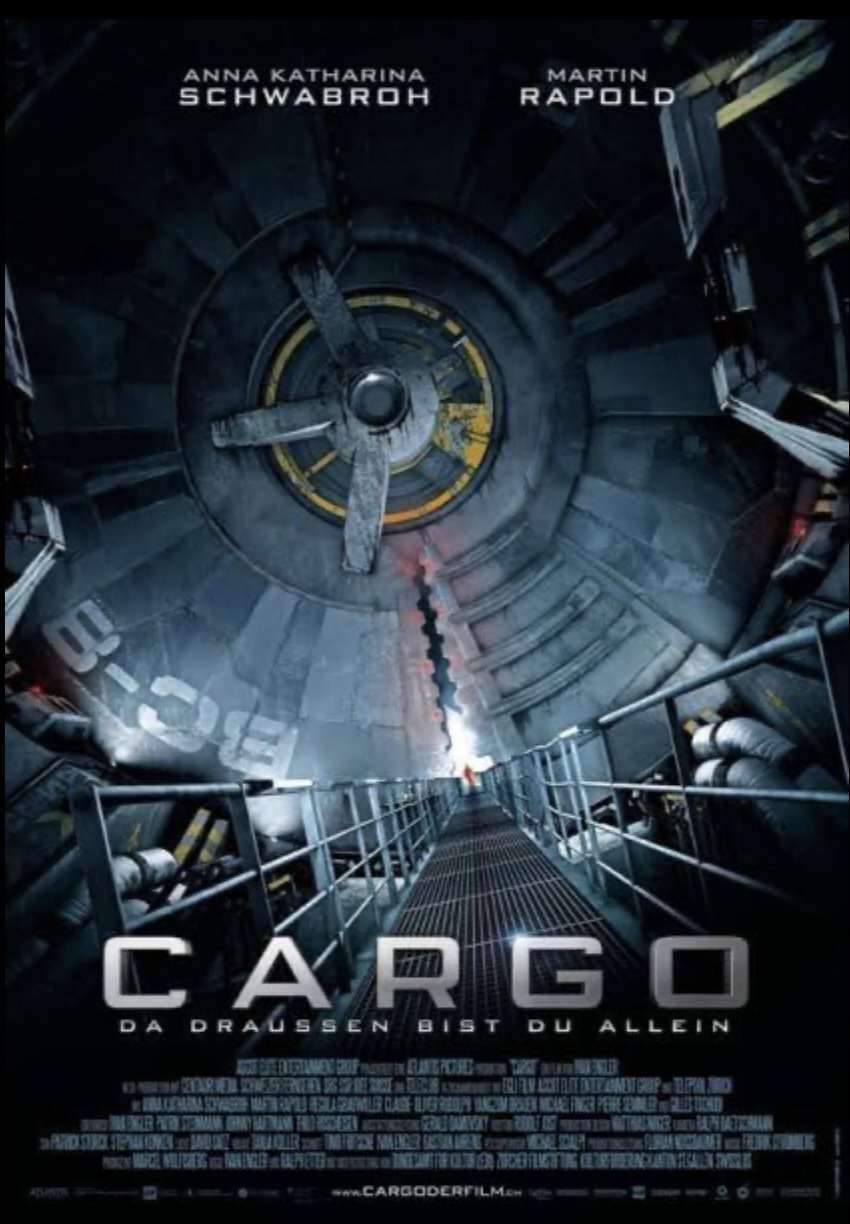
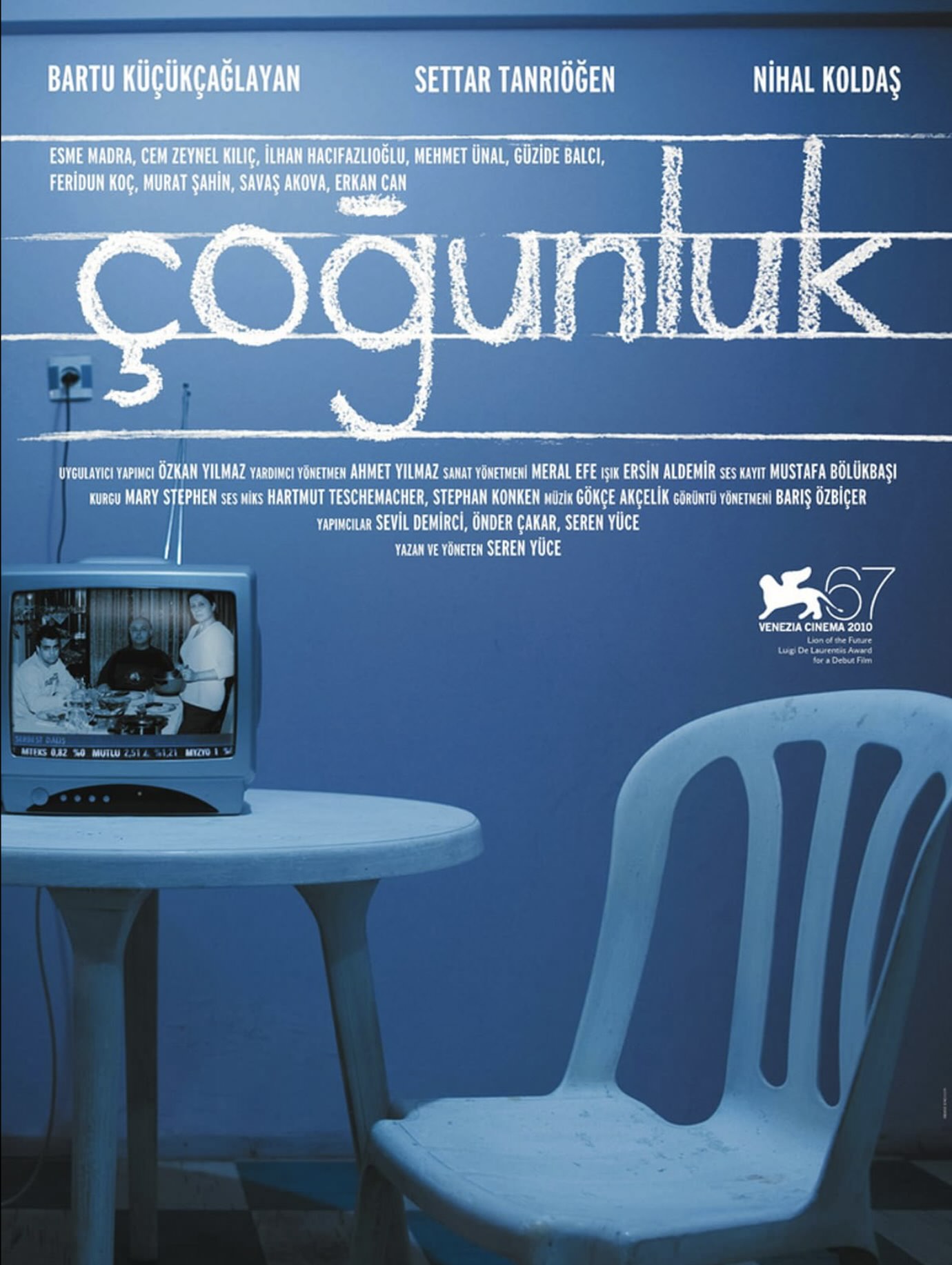
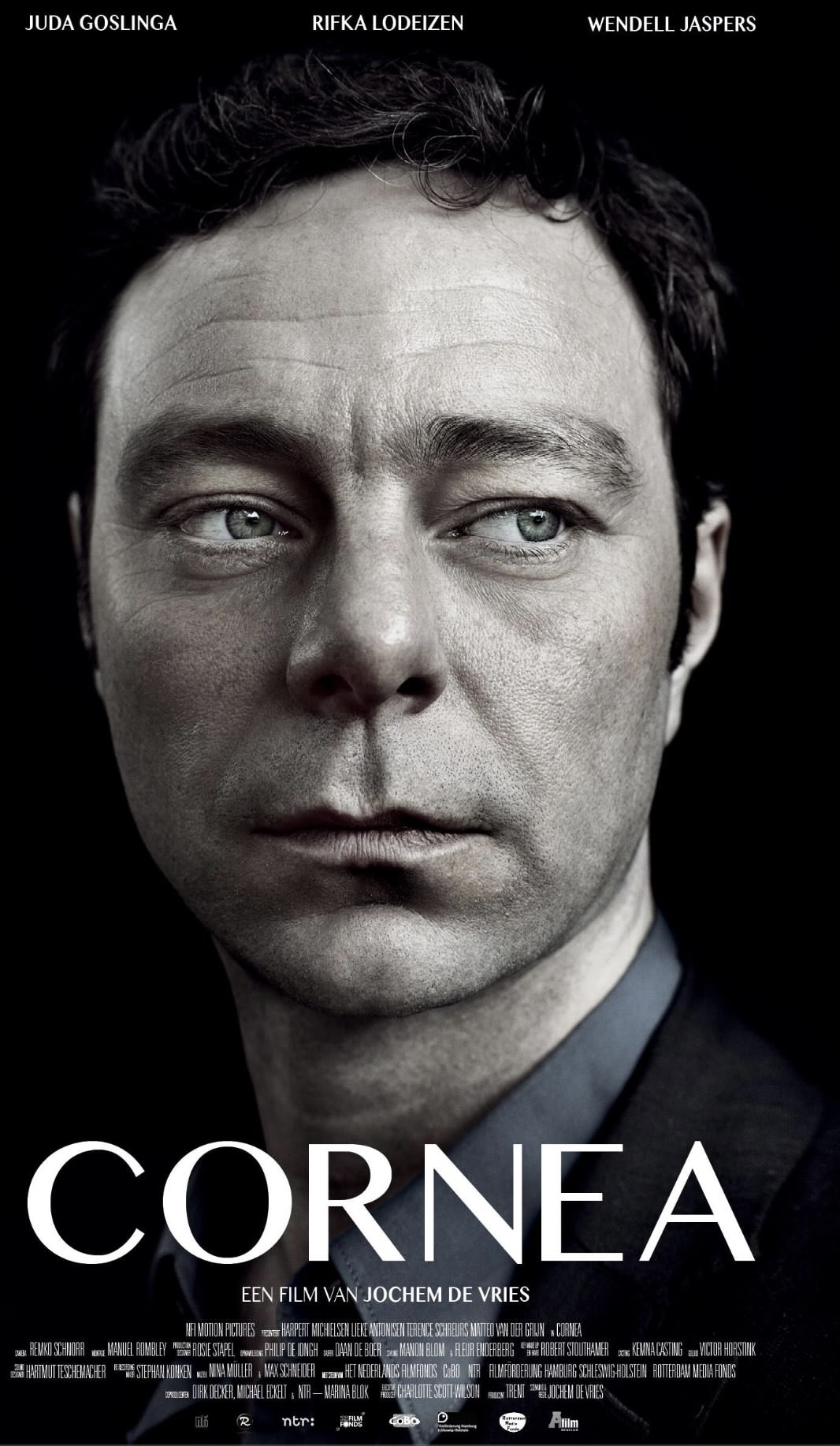

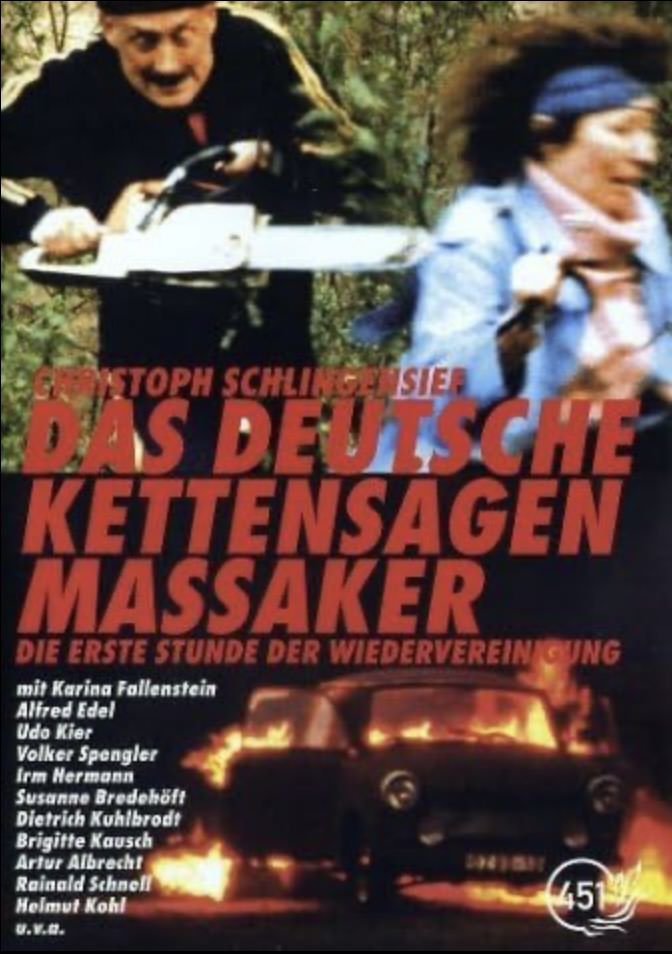
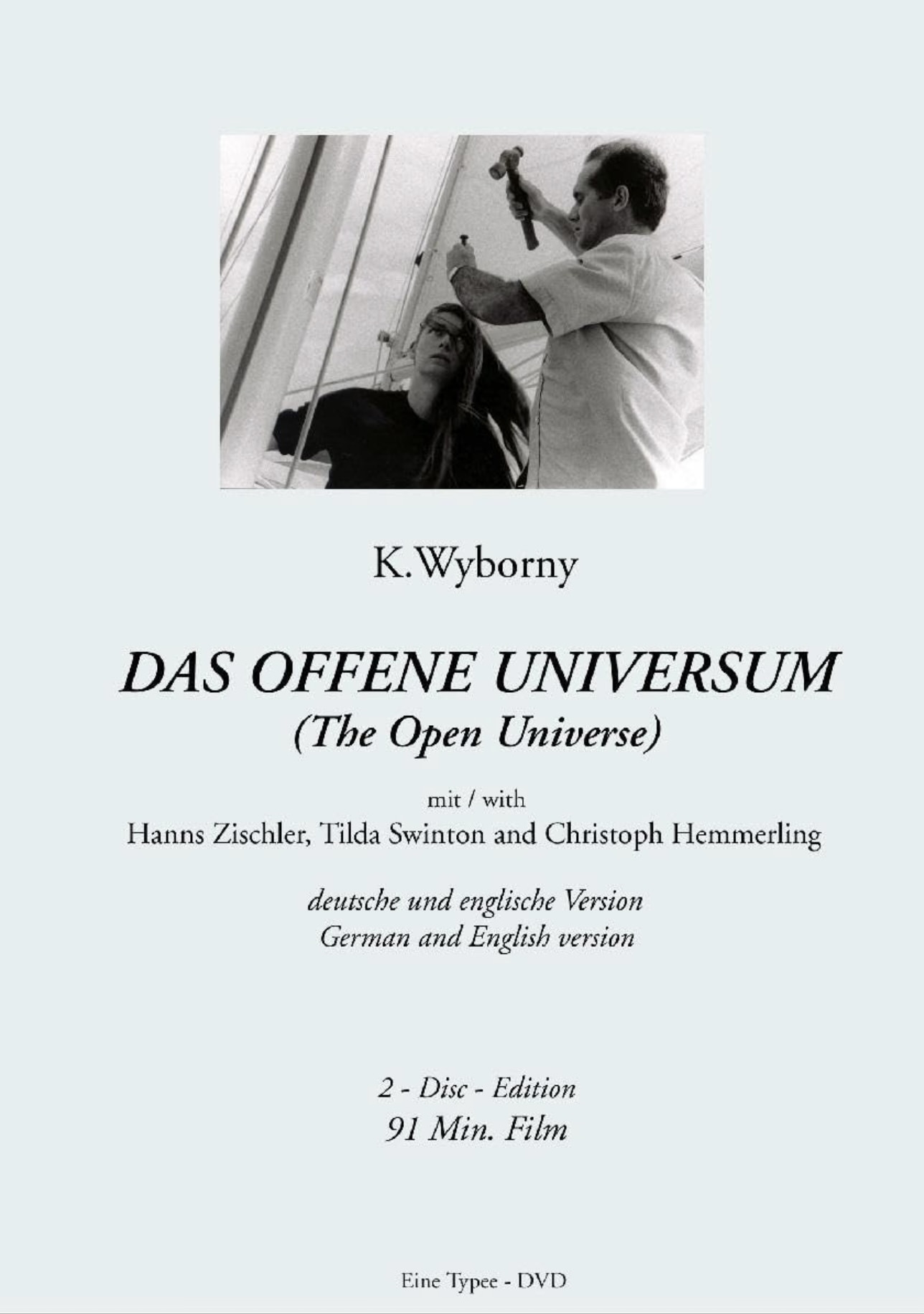

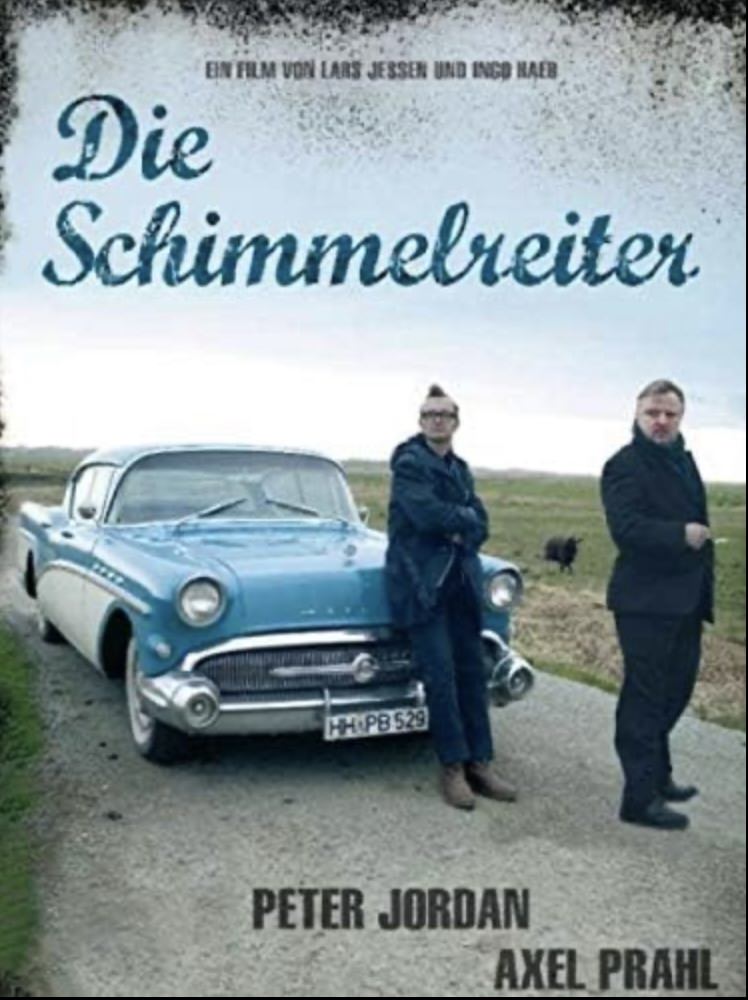
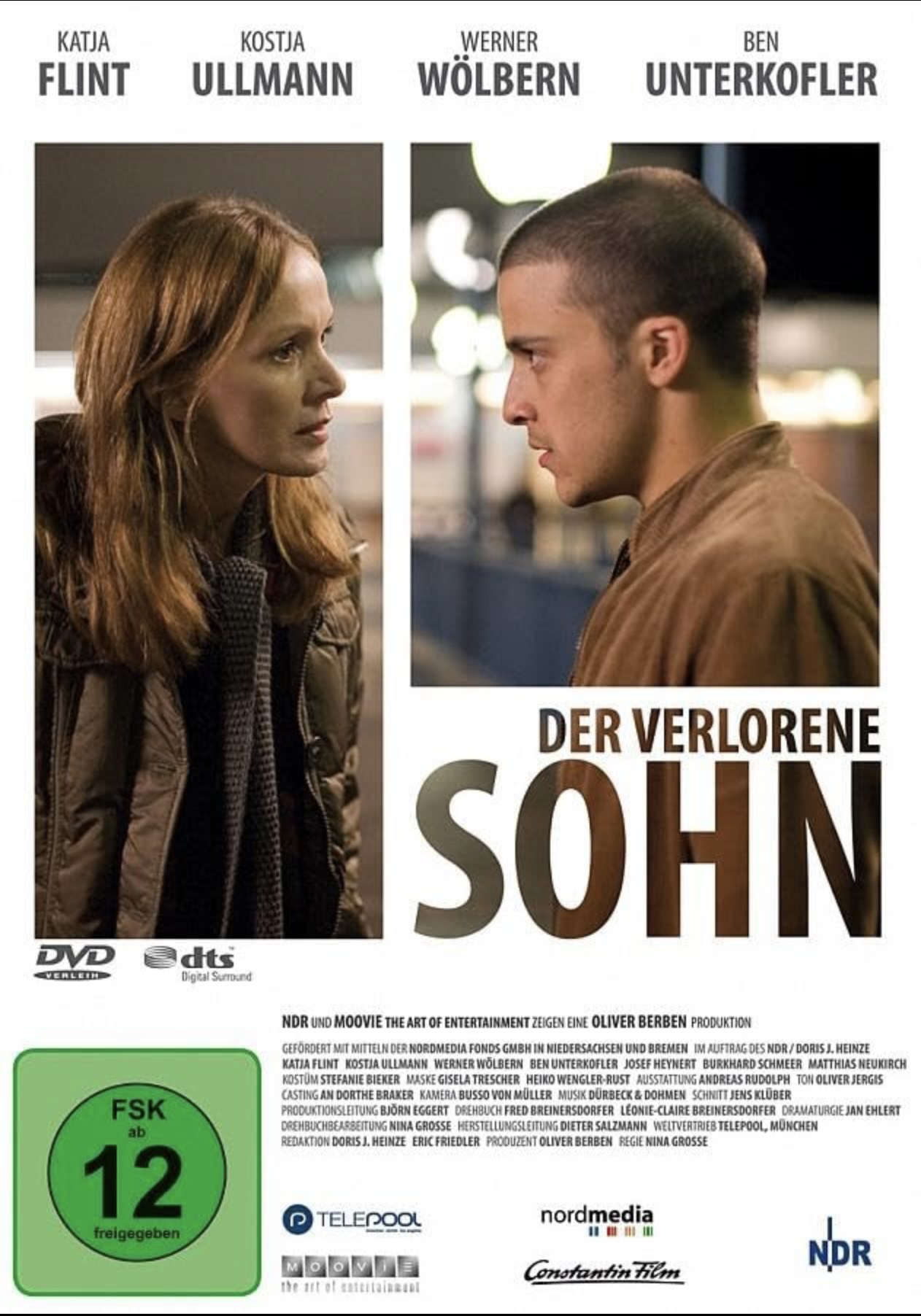




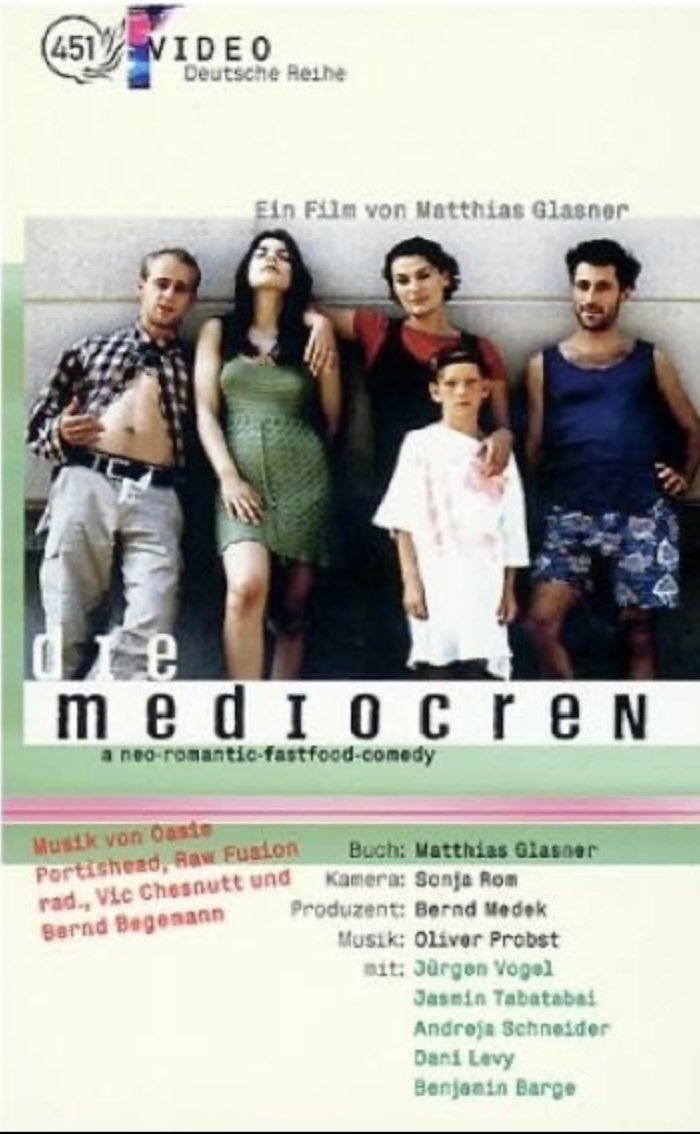
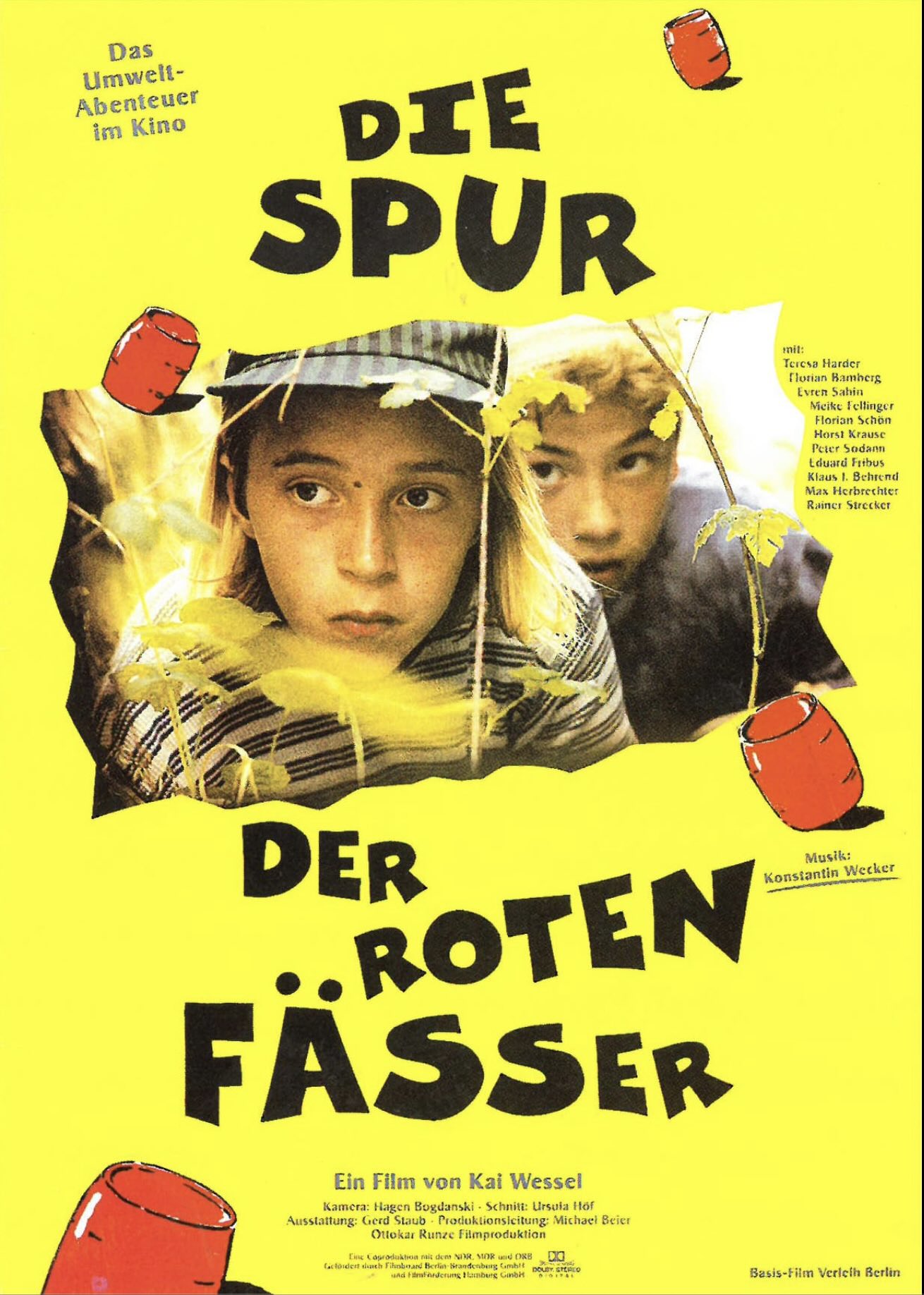

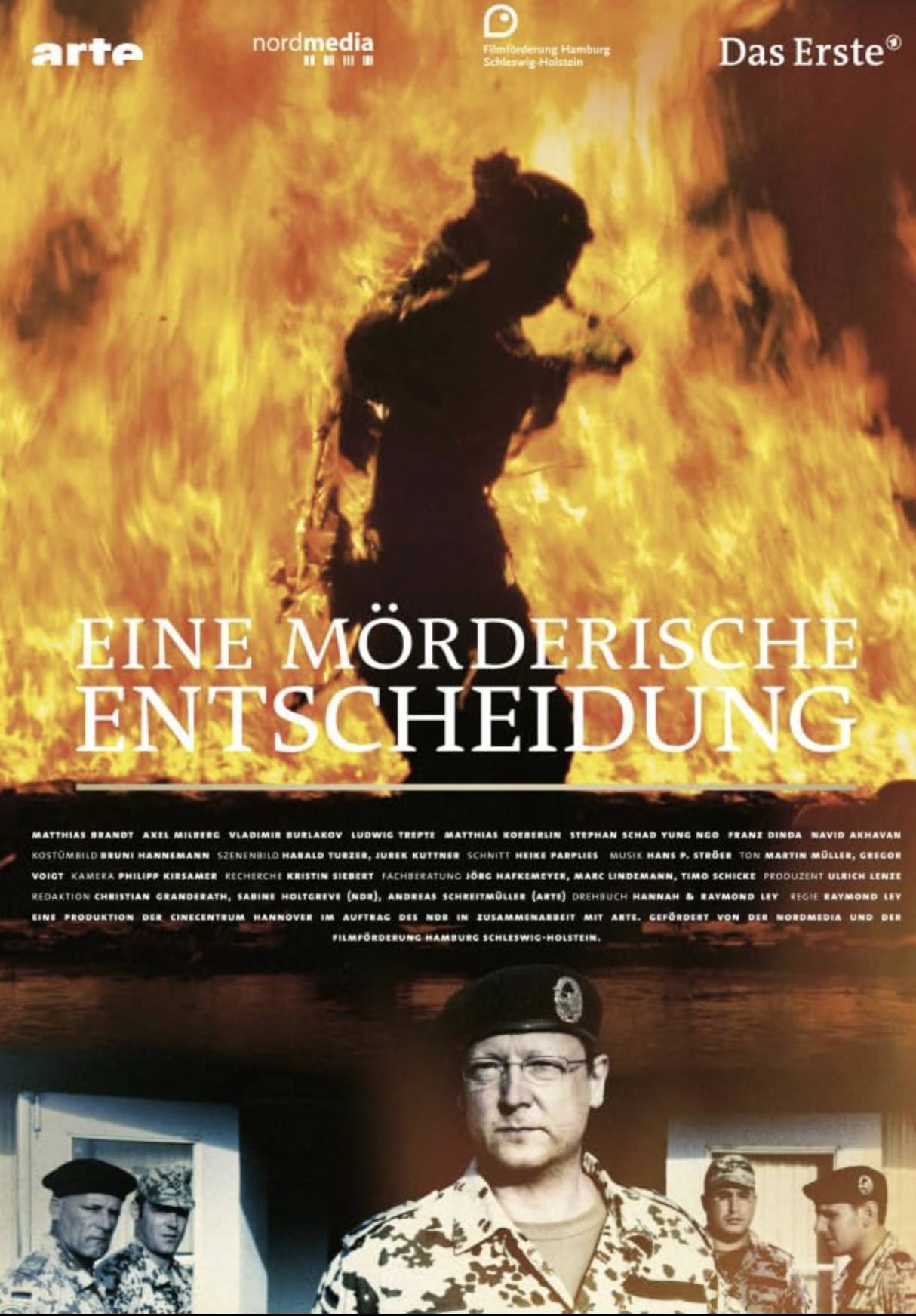
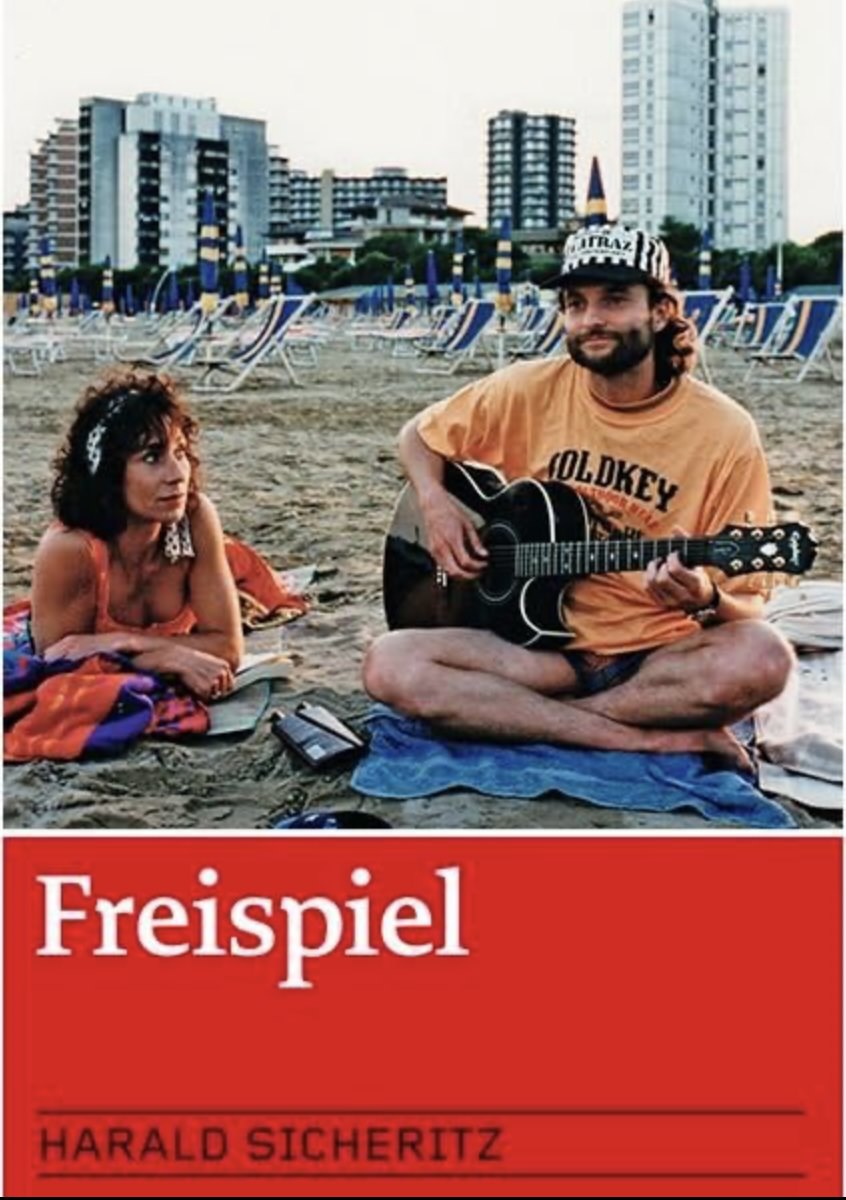
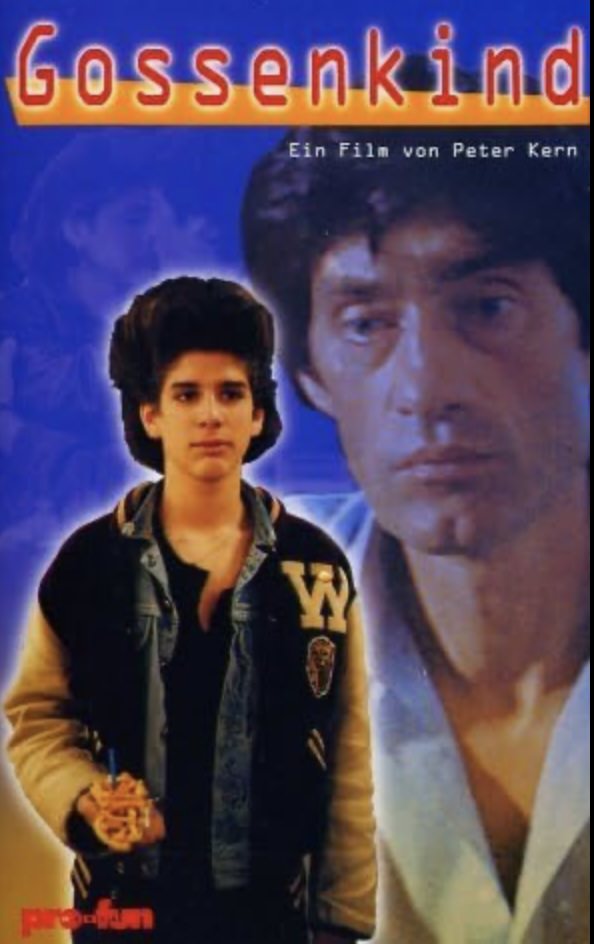
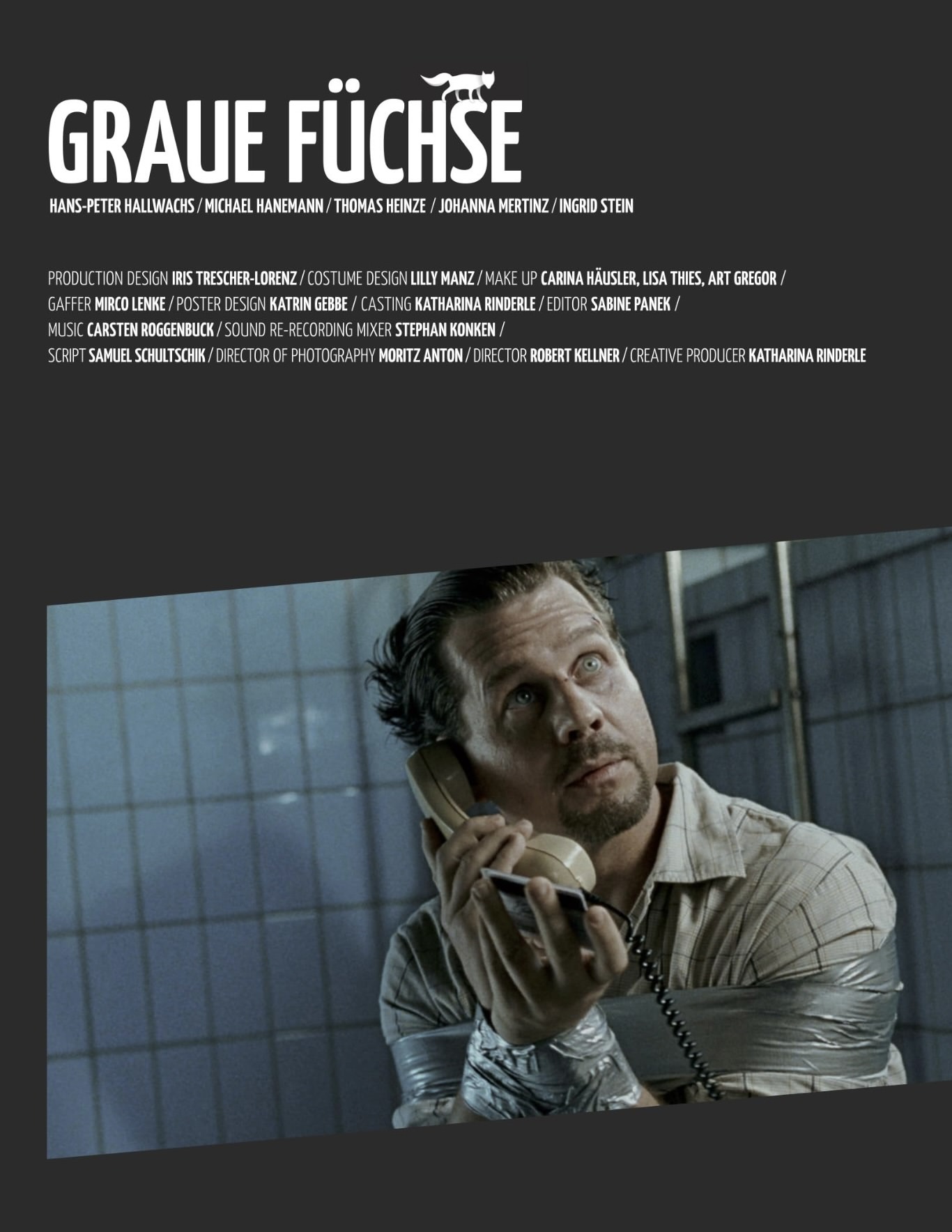
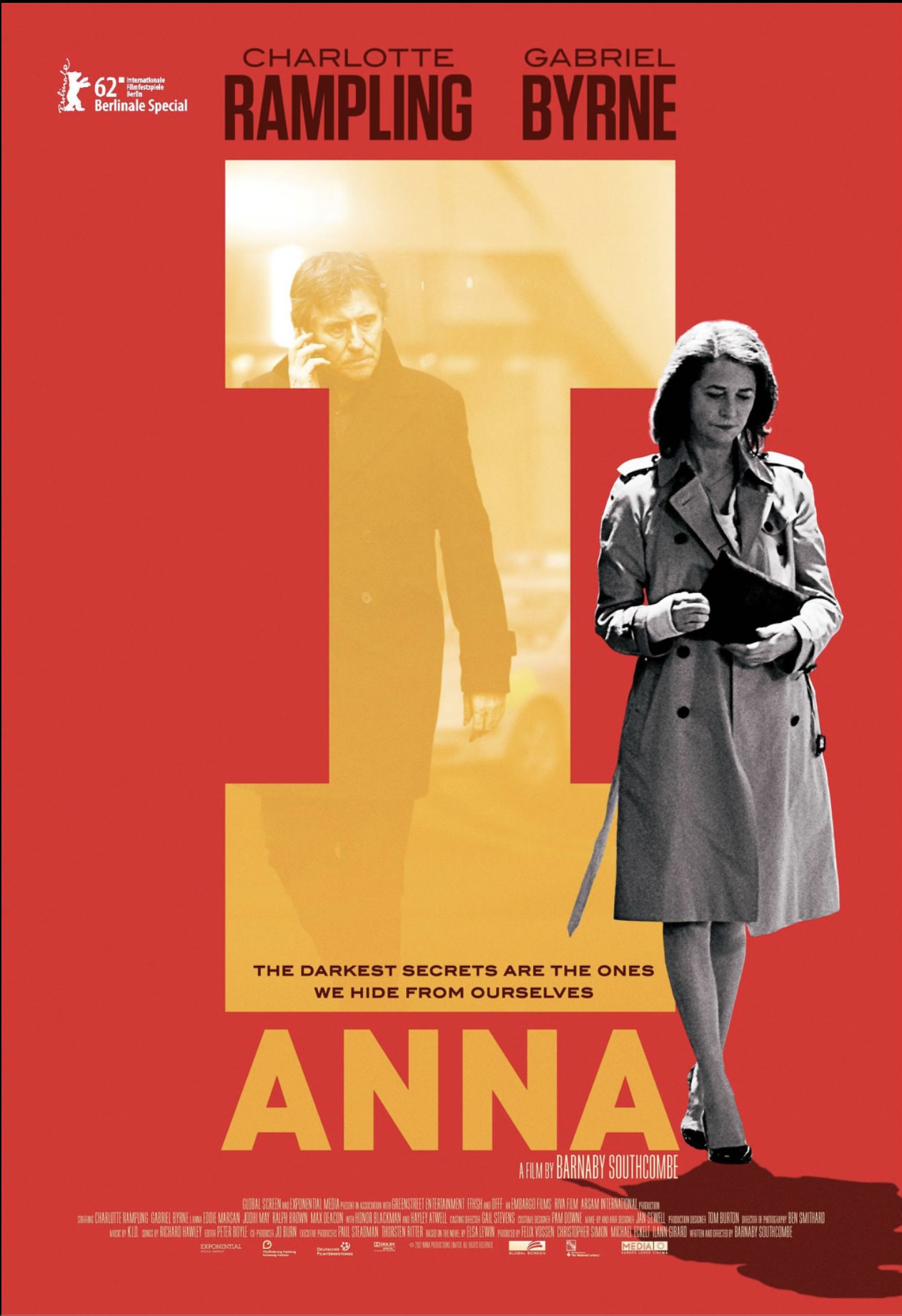
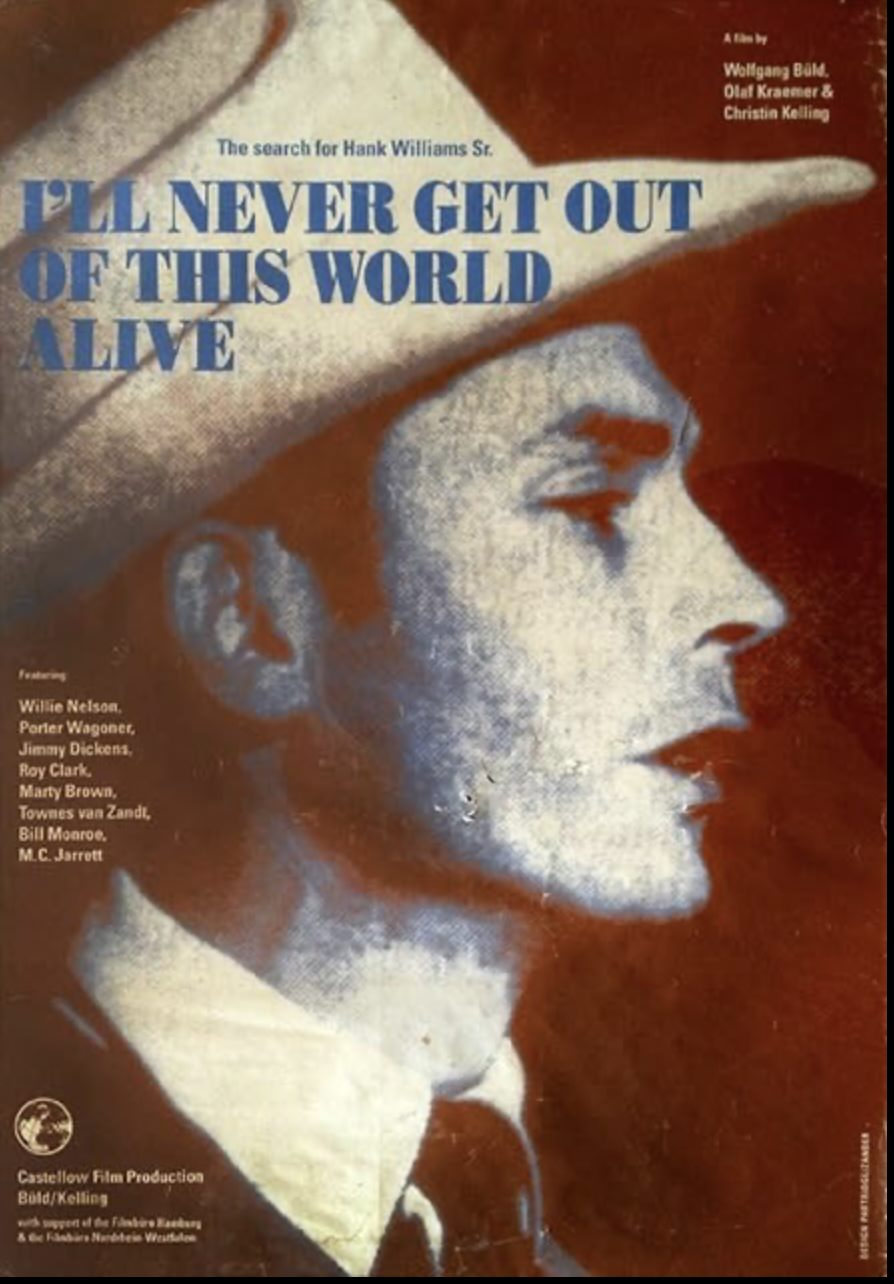
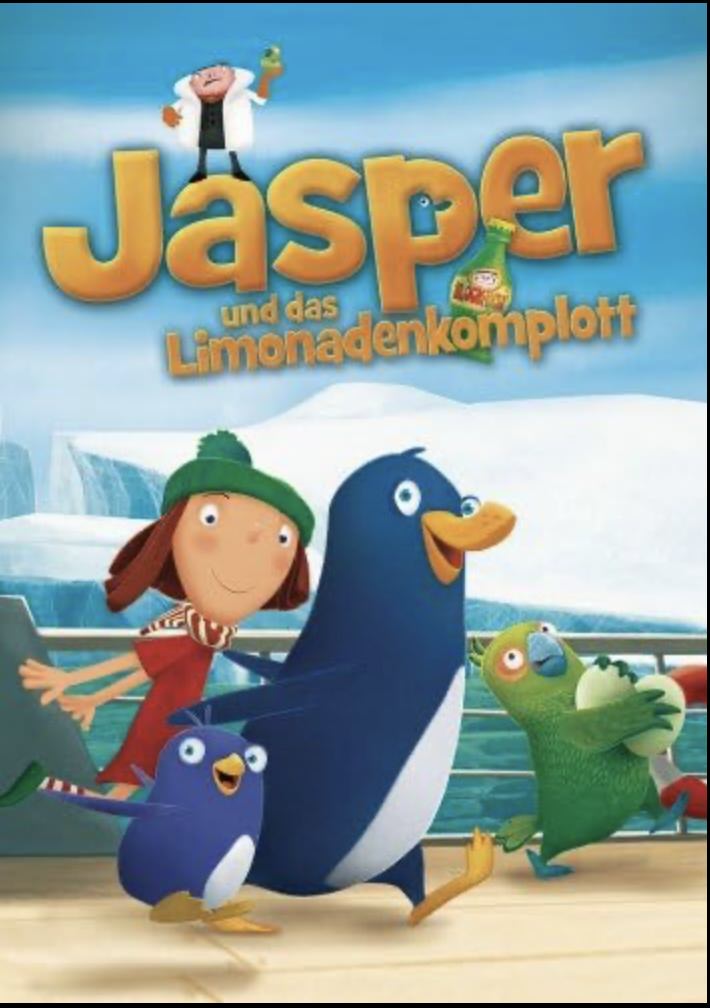
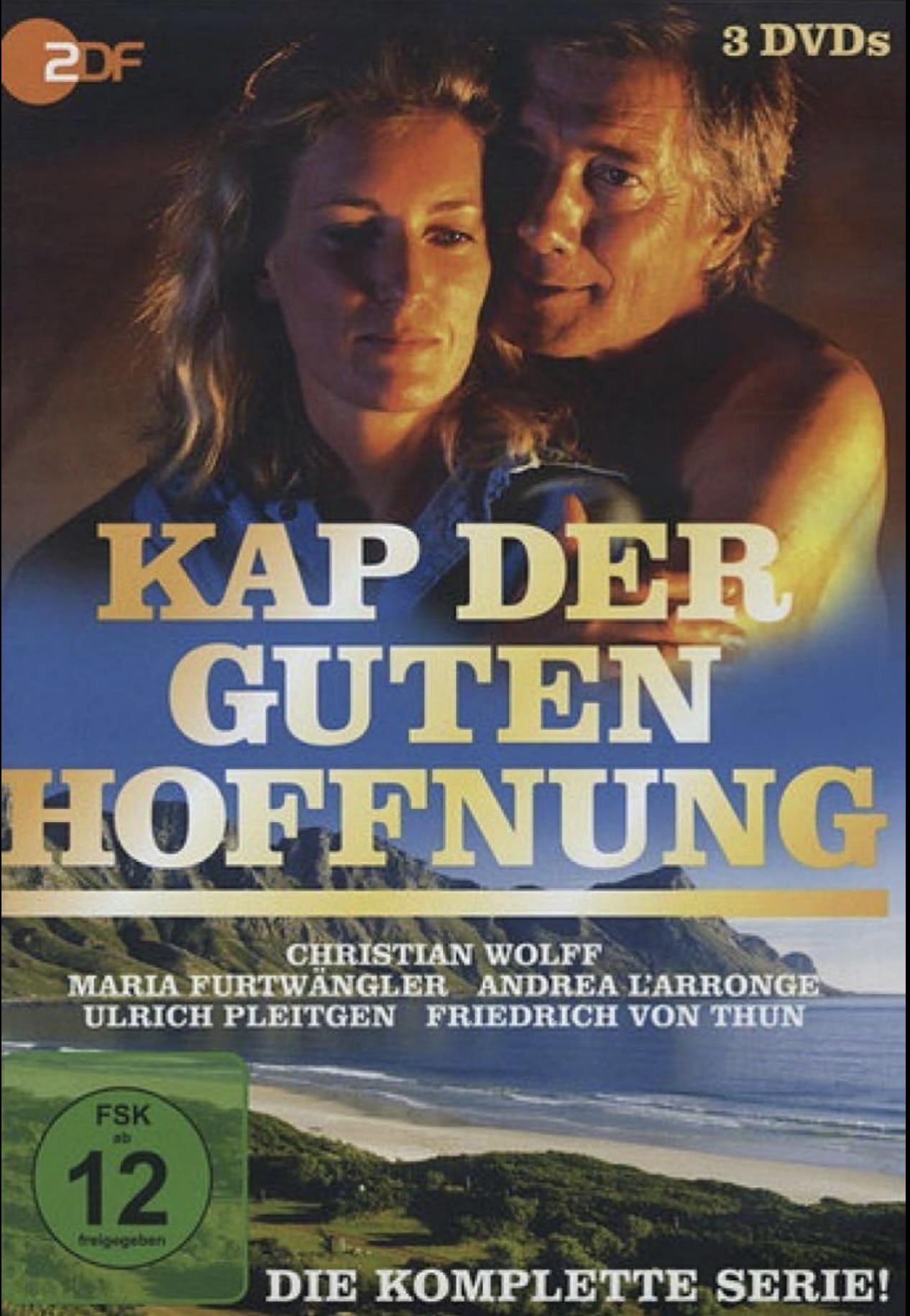
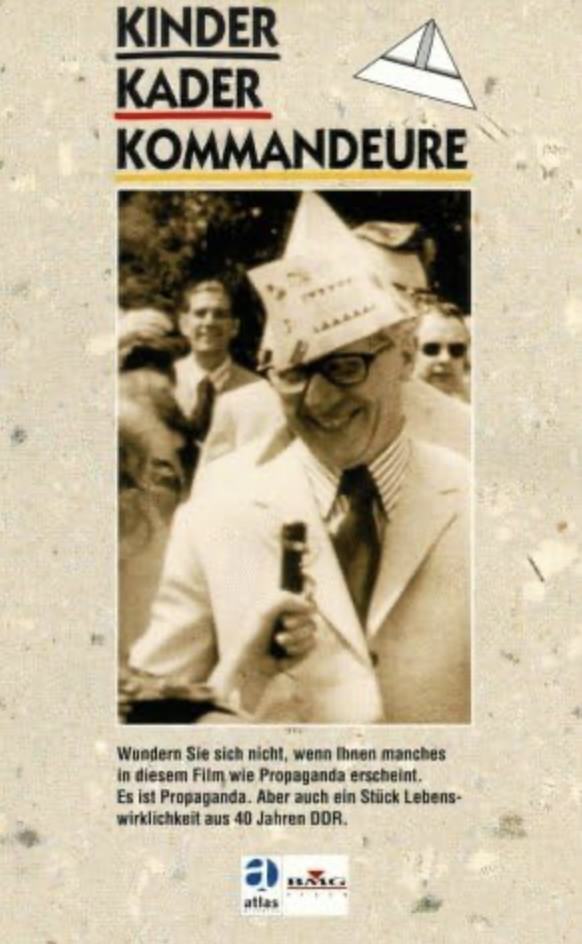
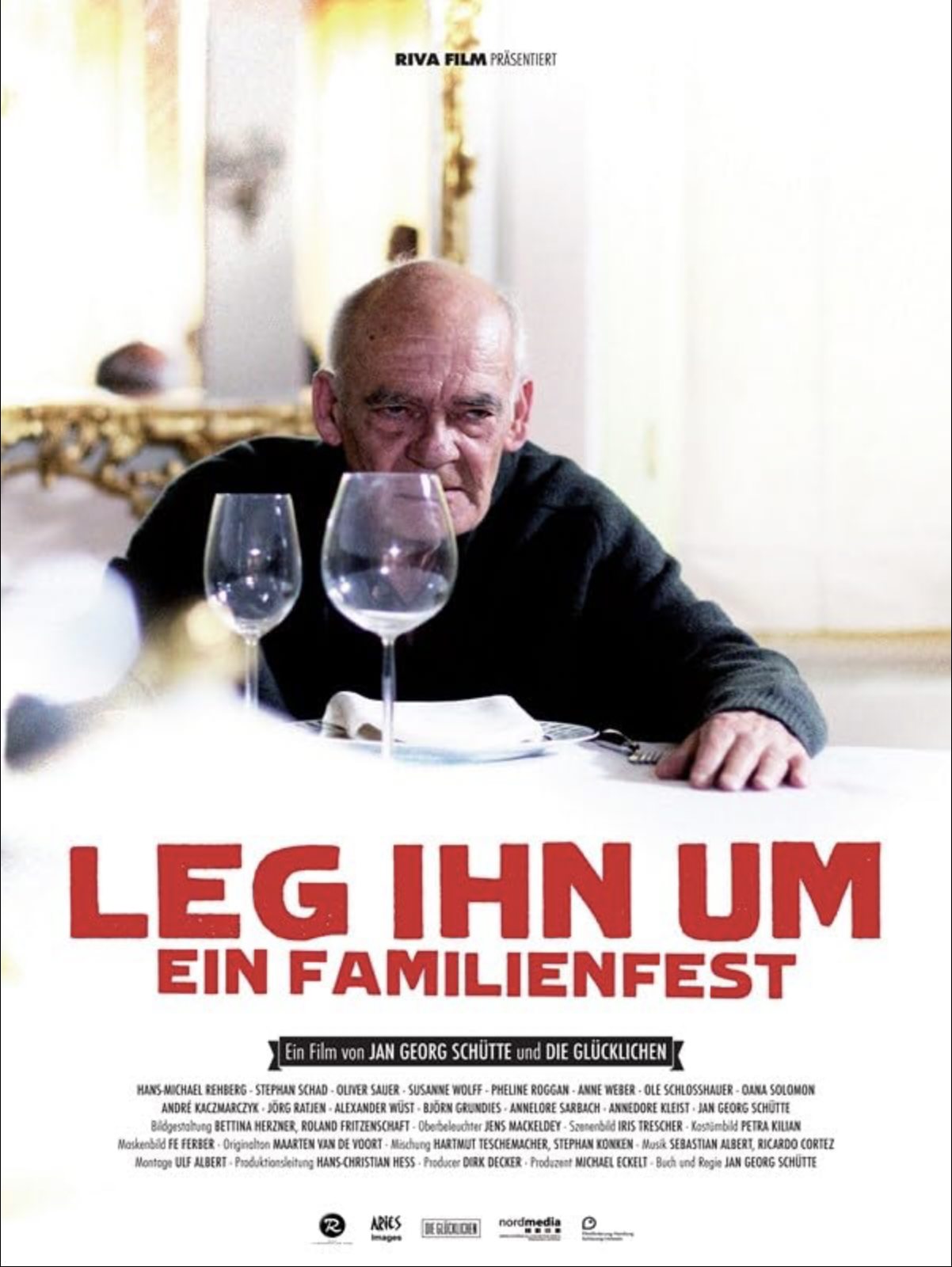
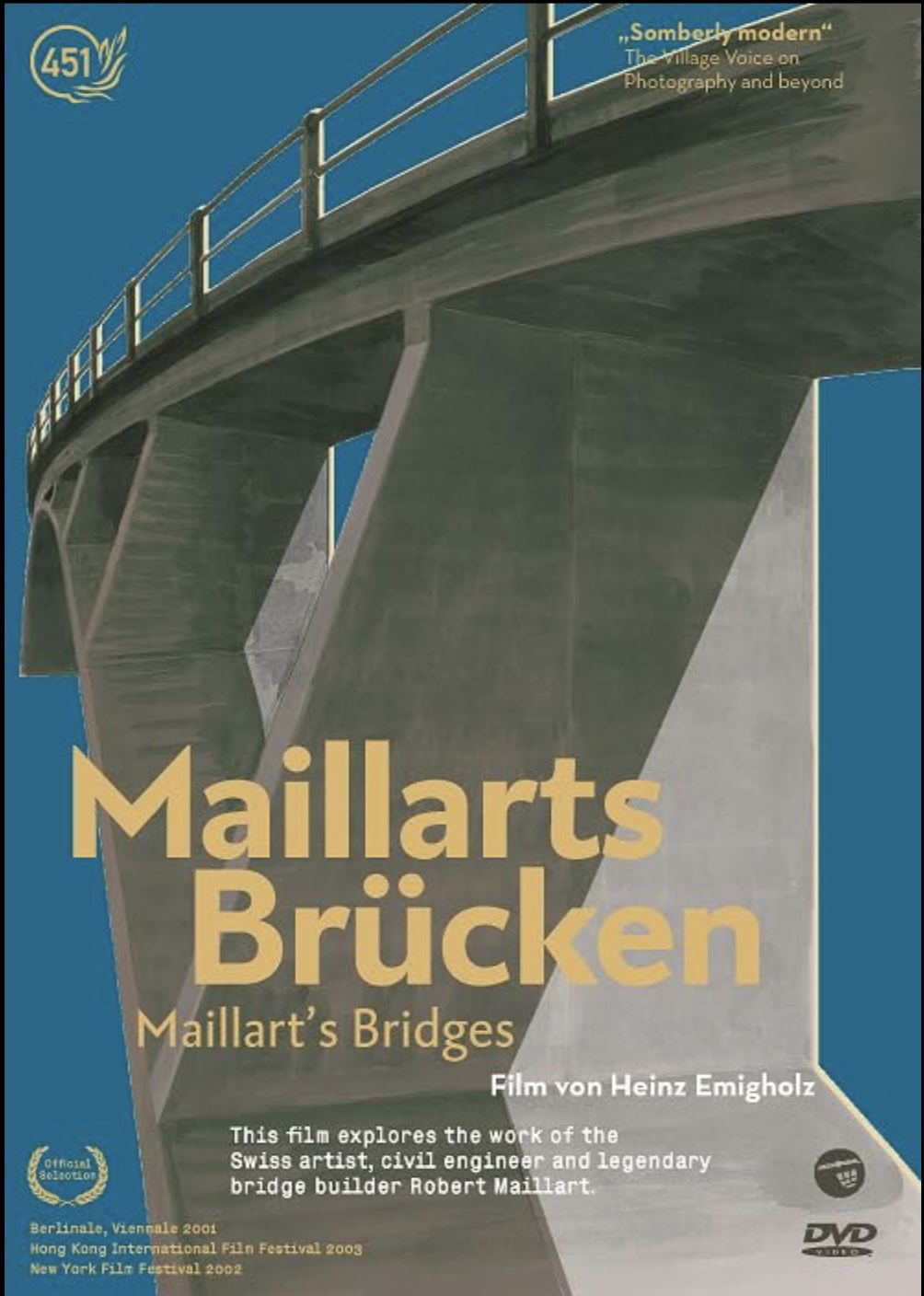
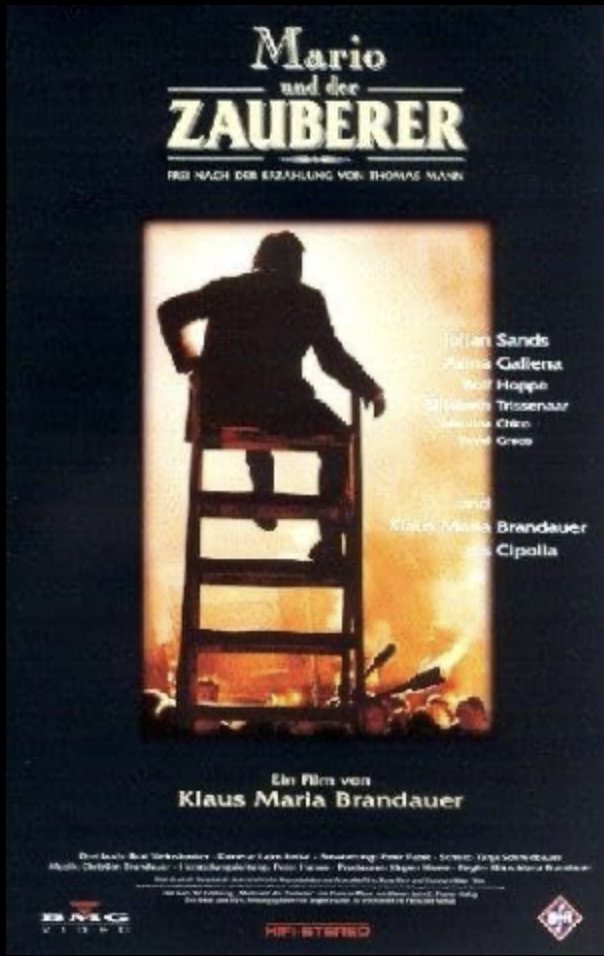



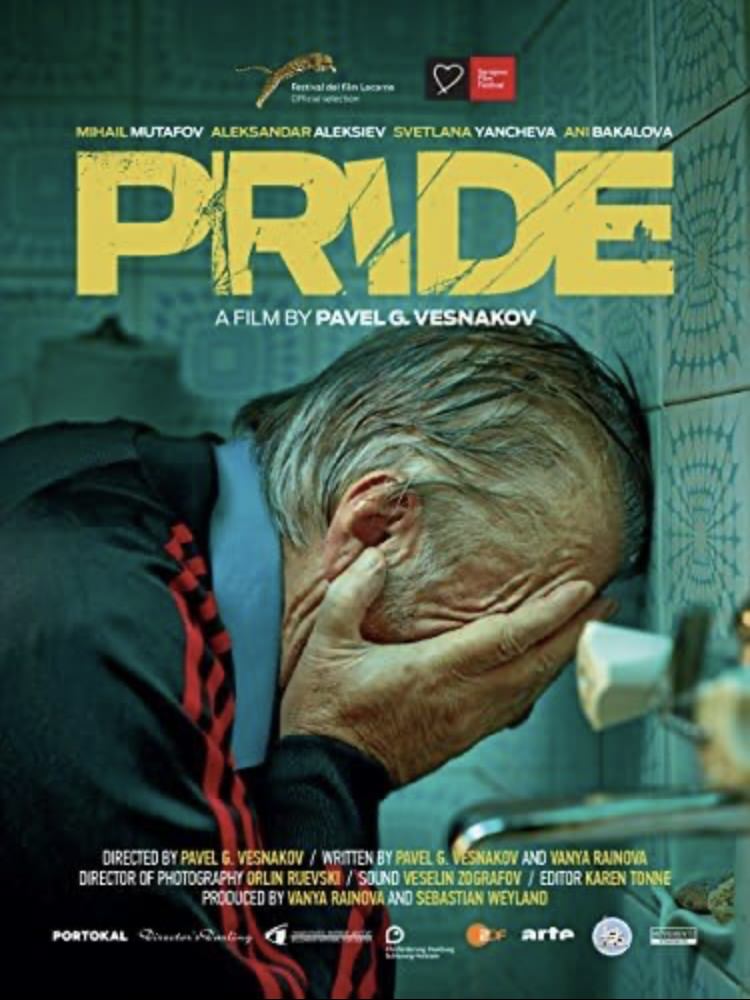

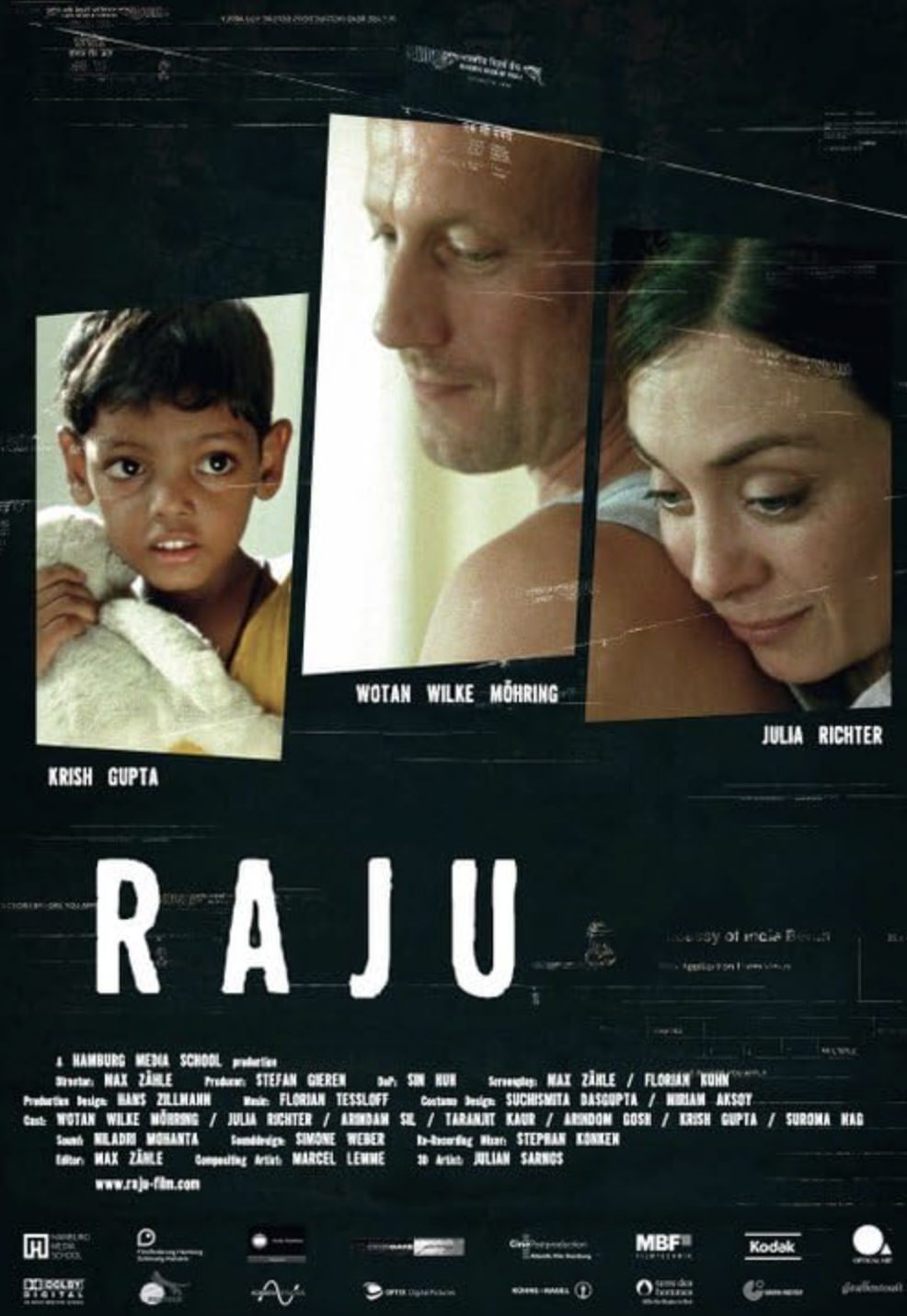
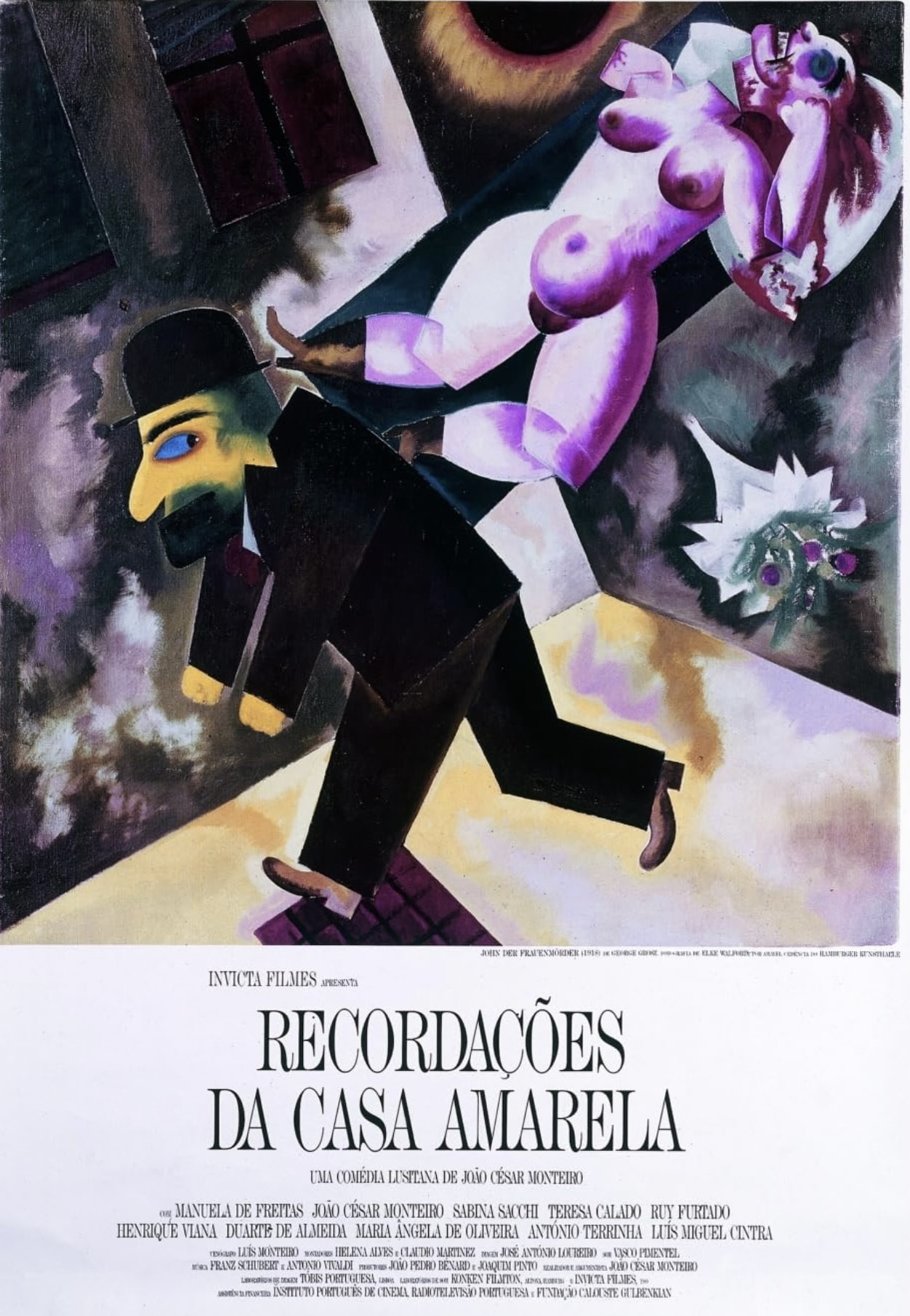
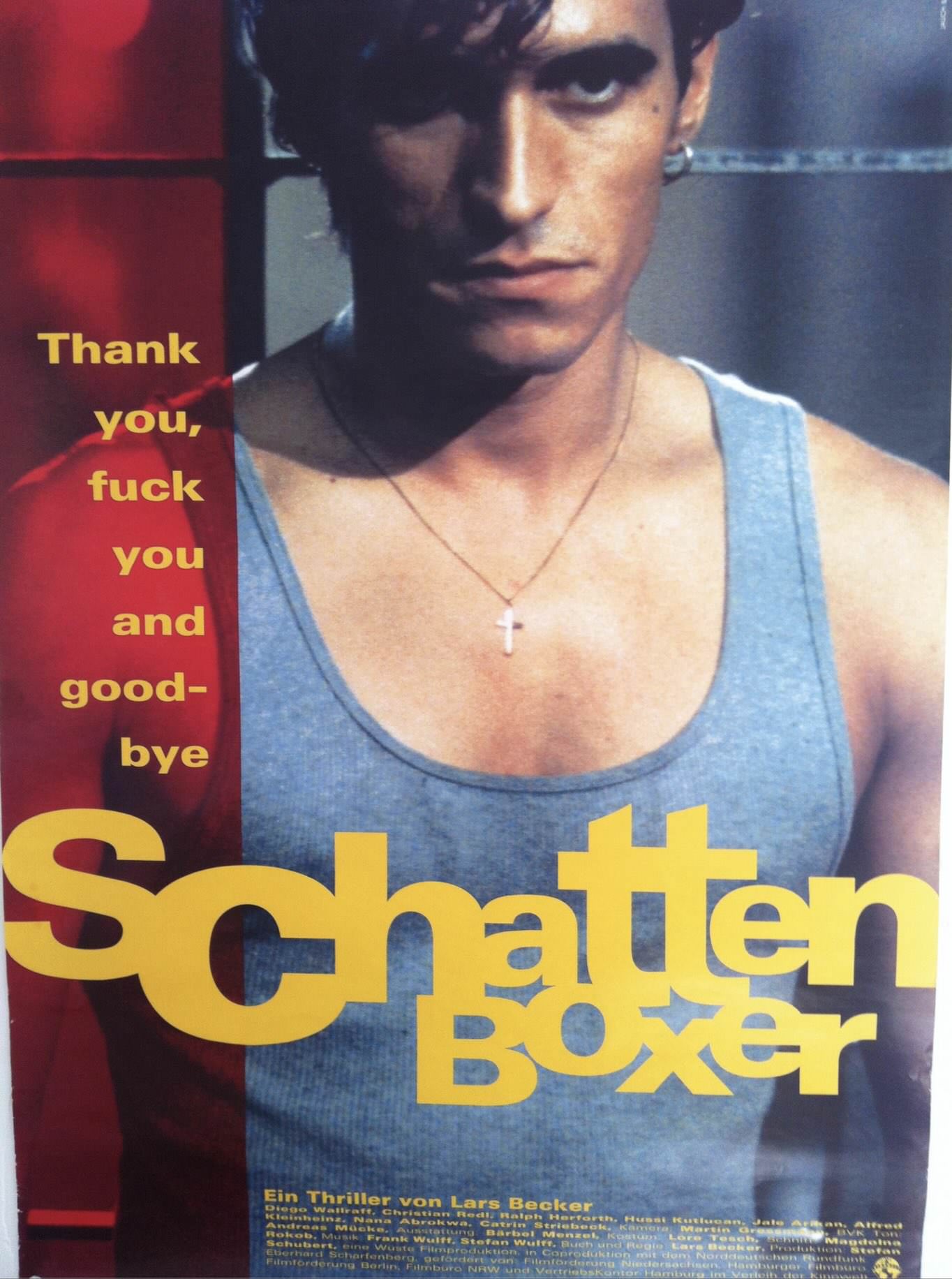

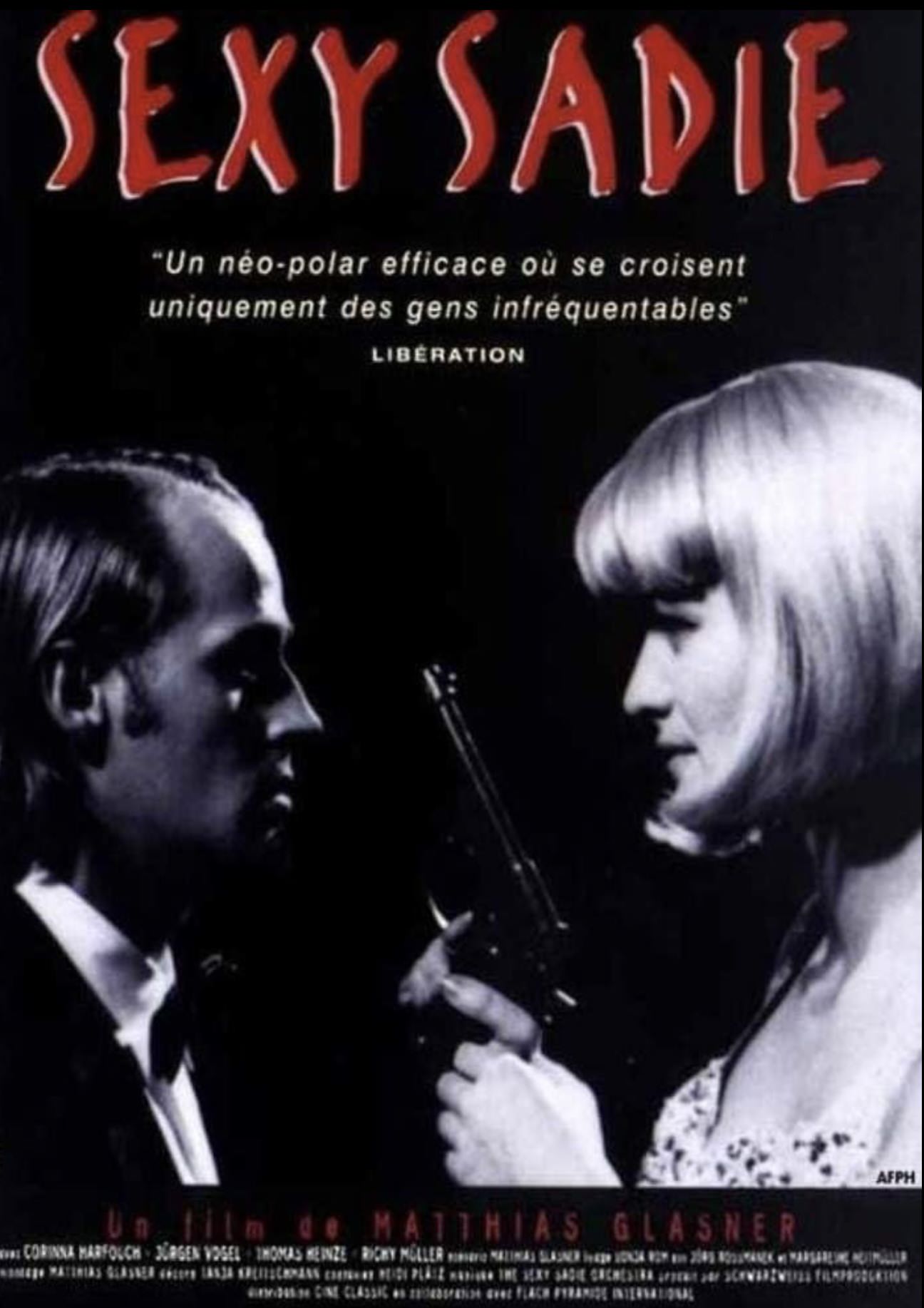
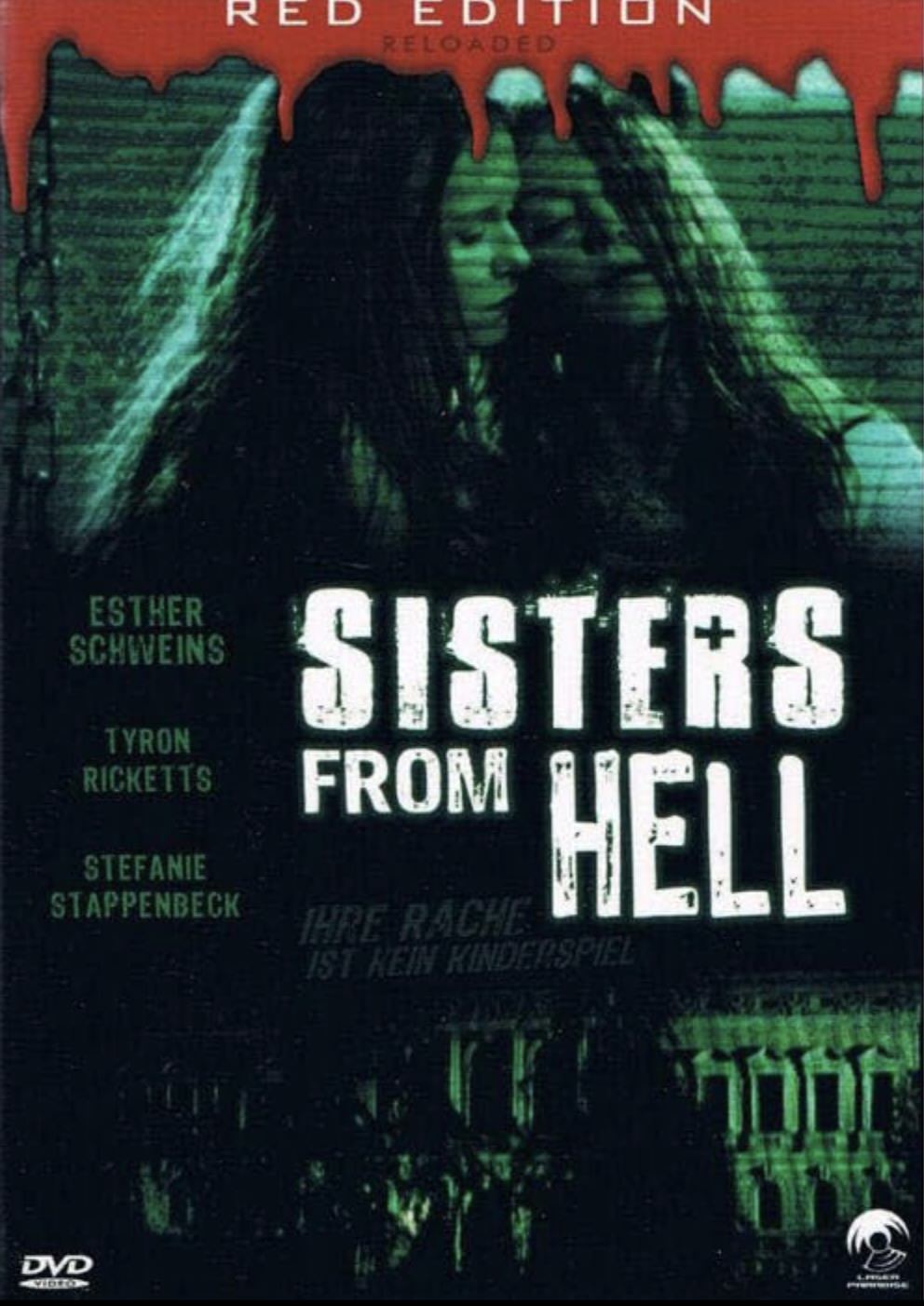
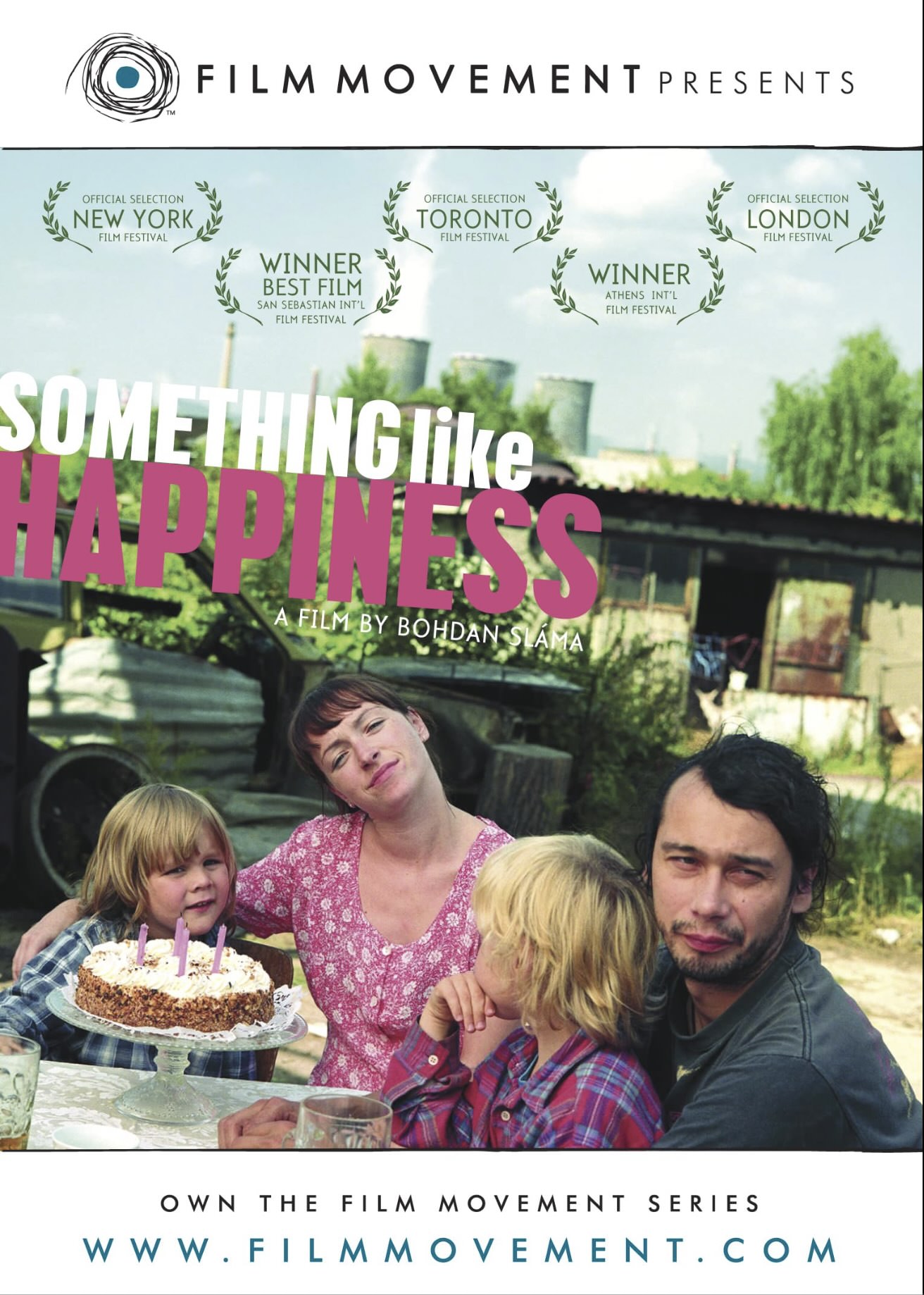

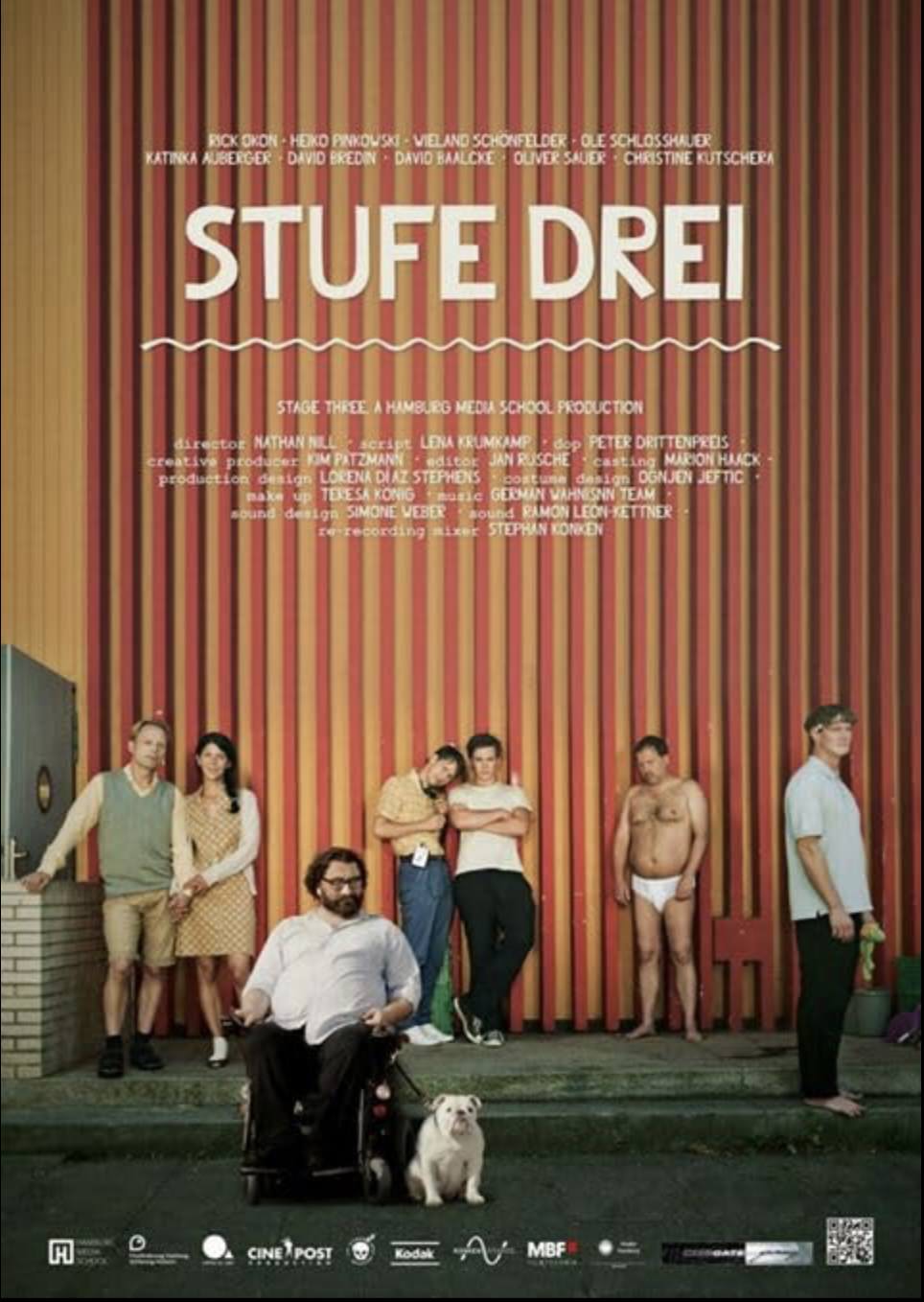
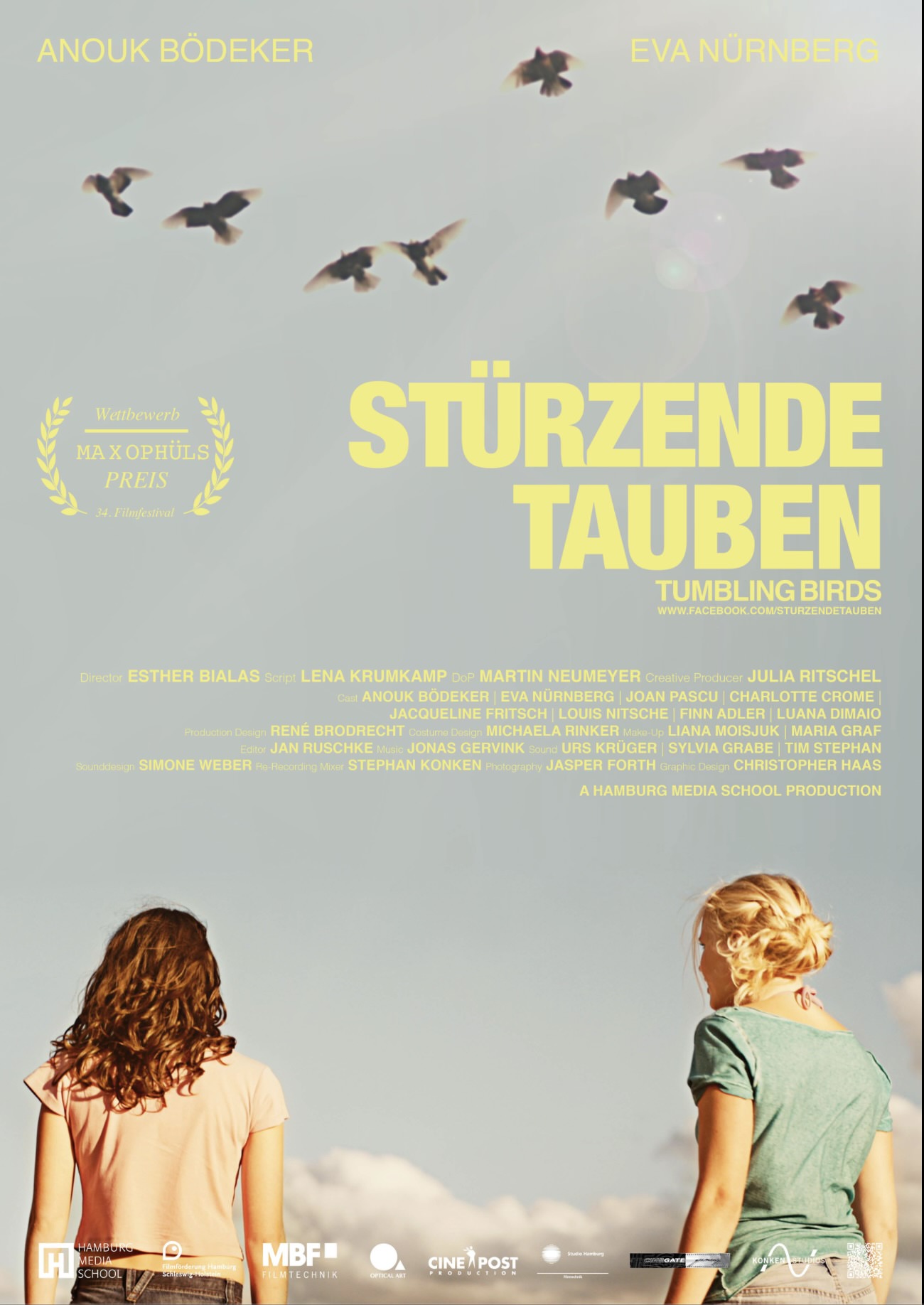
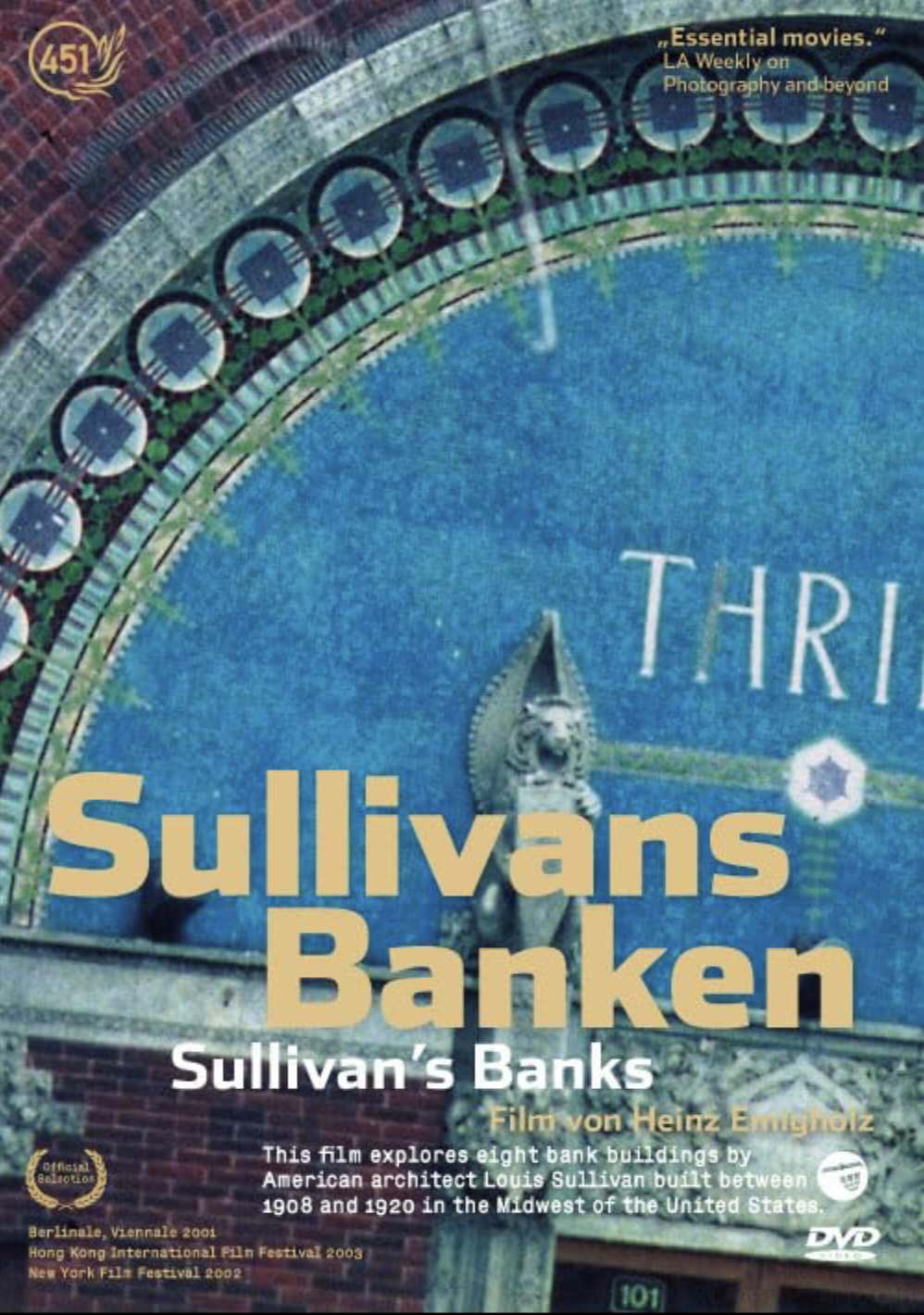

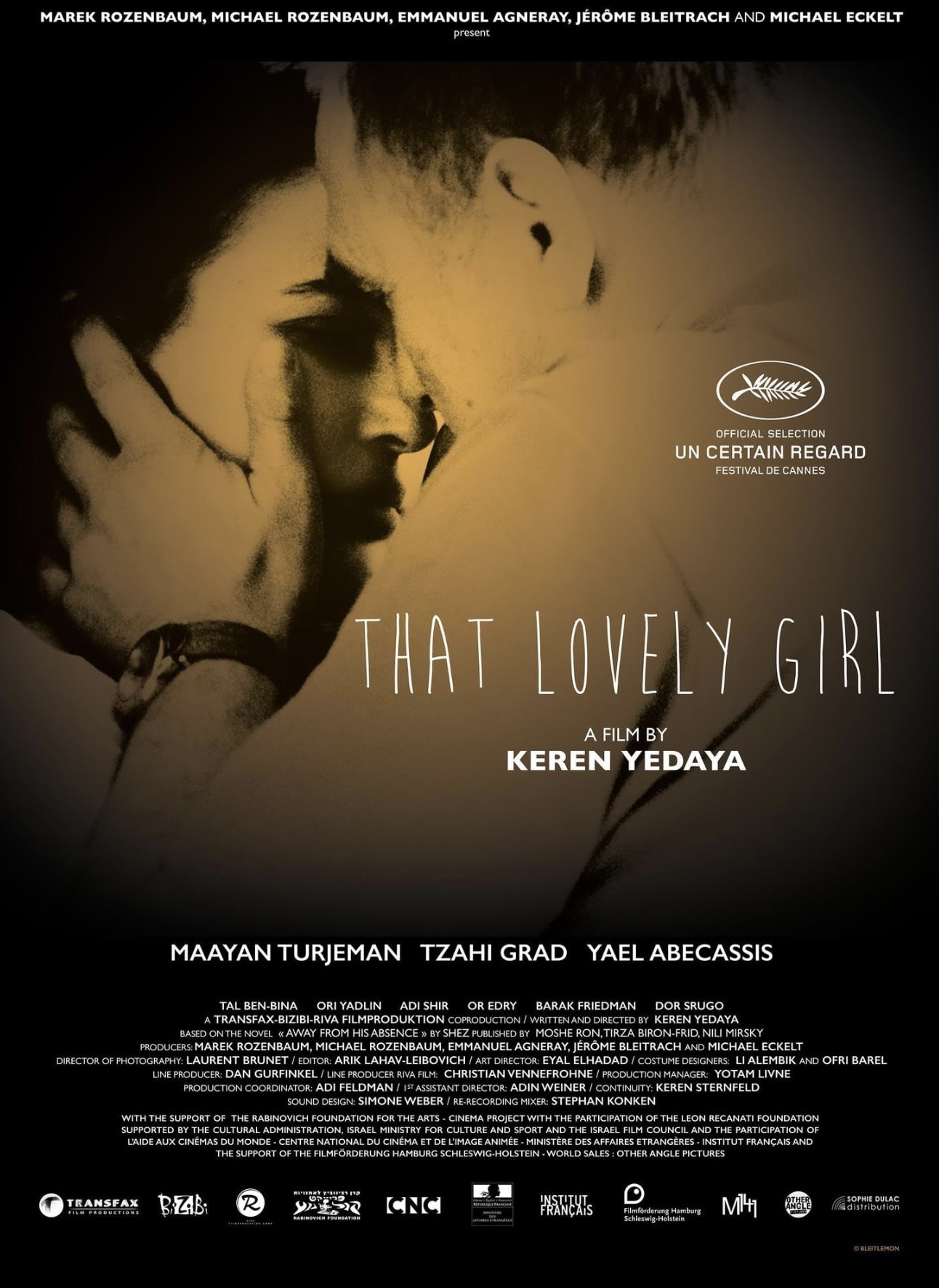




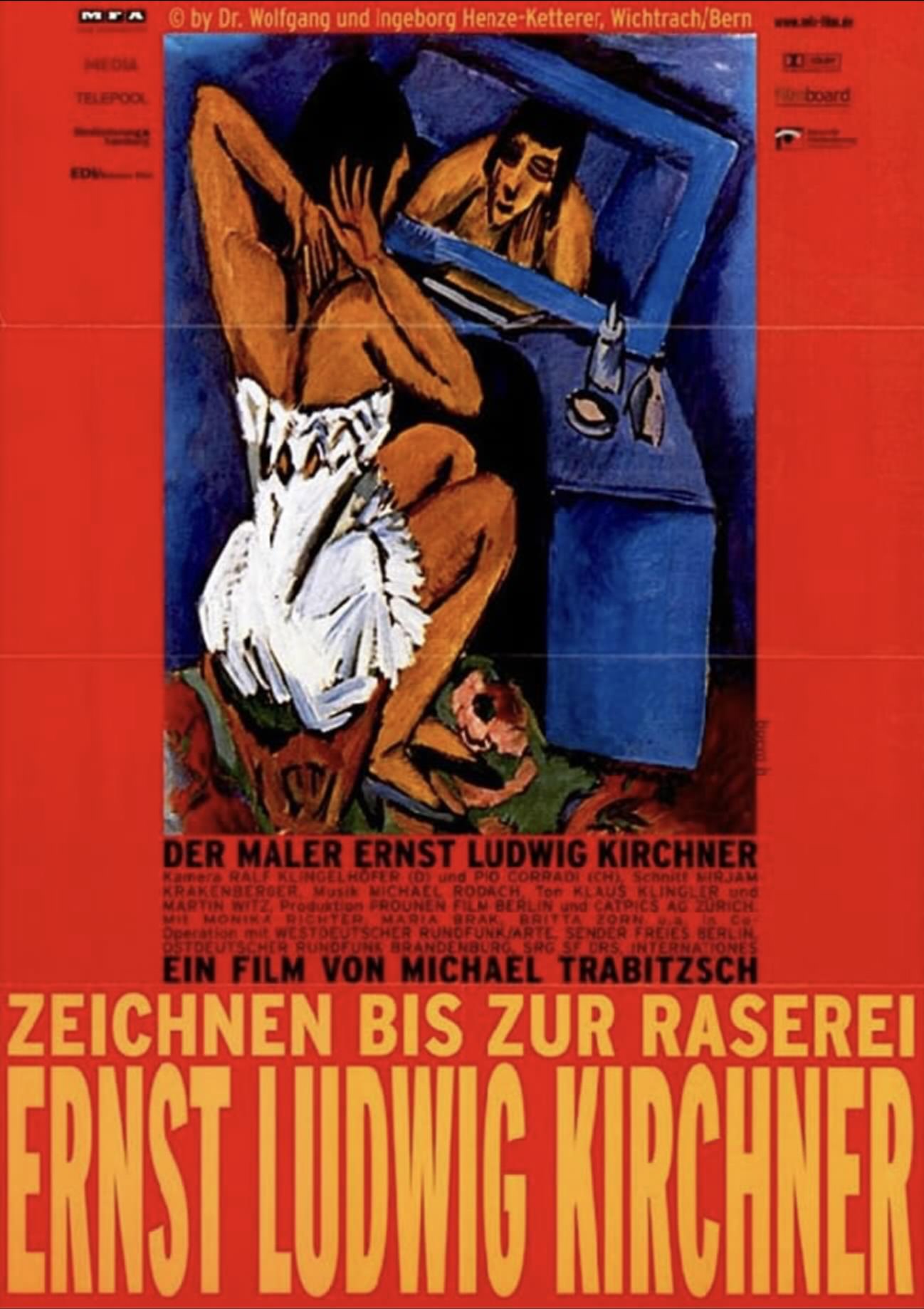
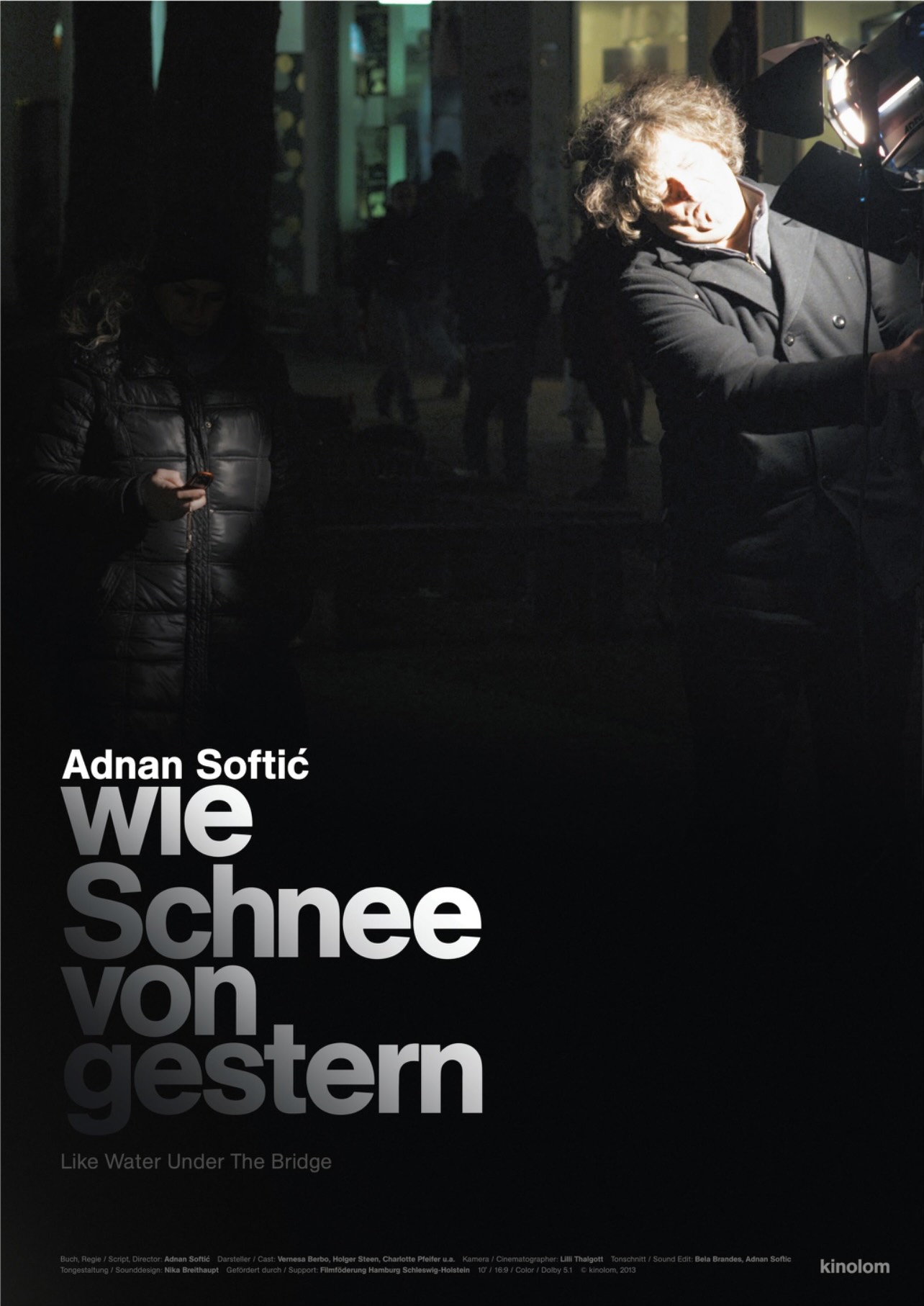



Karl Baumgartner
Armin Müller - Stahl
Detlef Buck
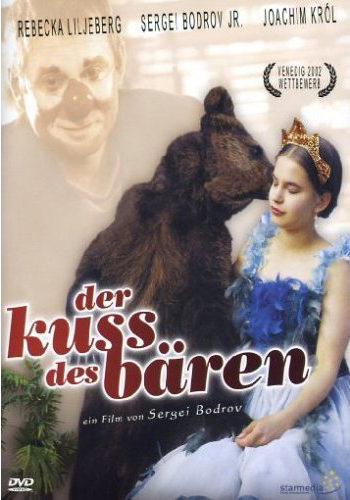
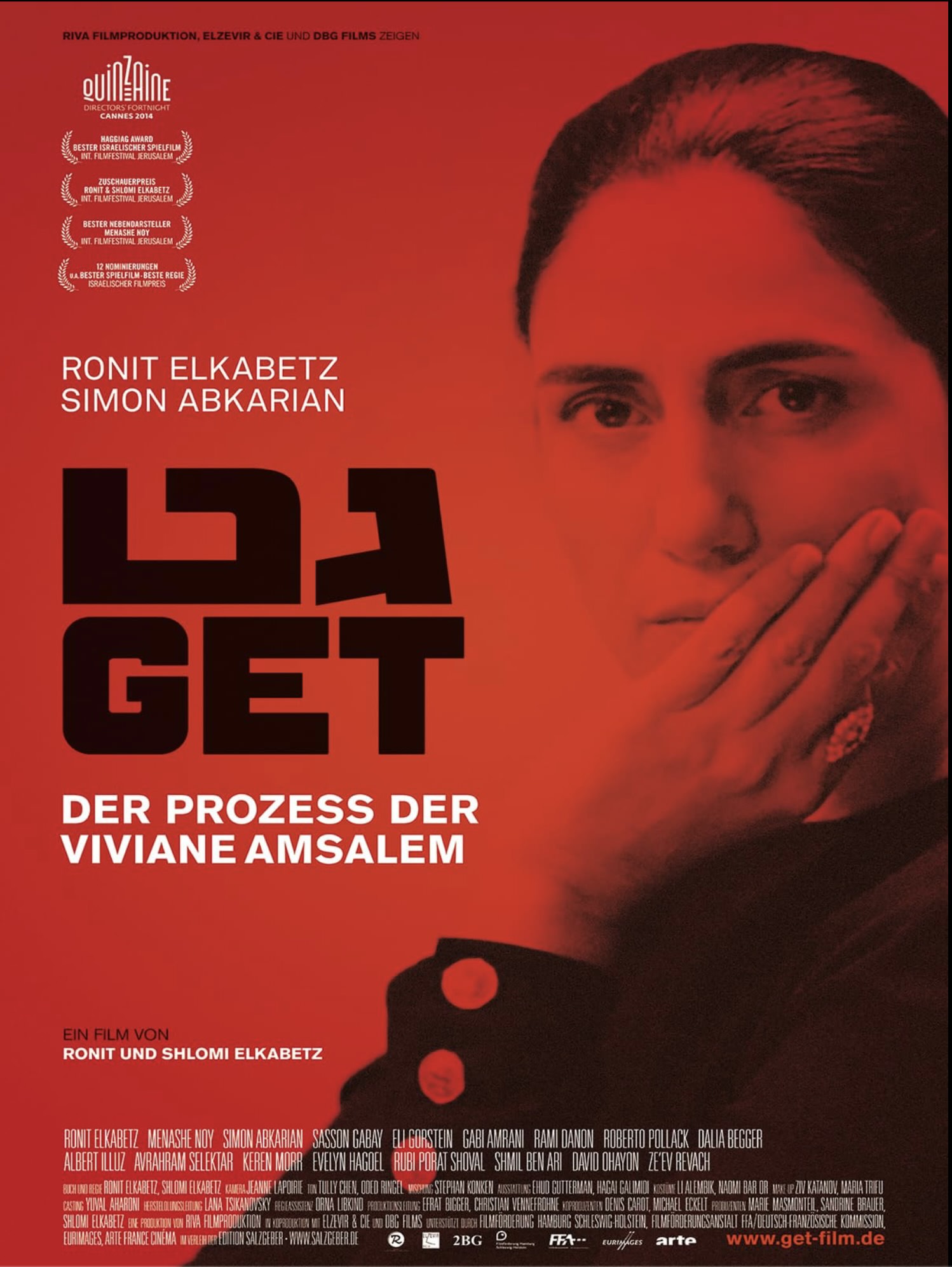
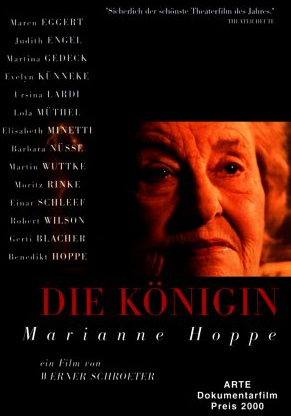
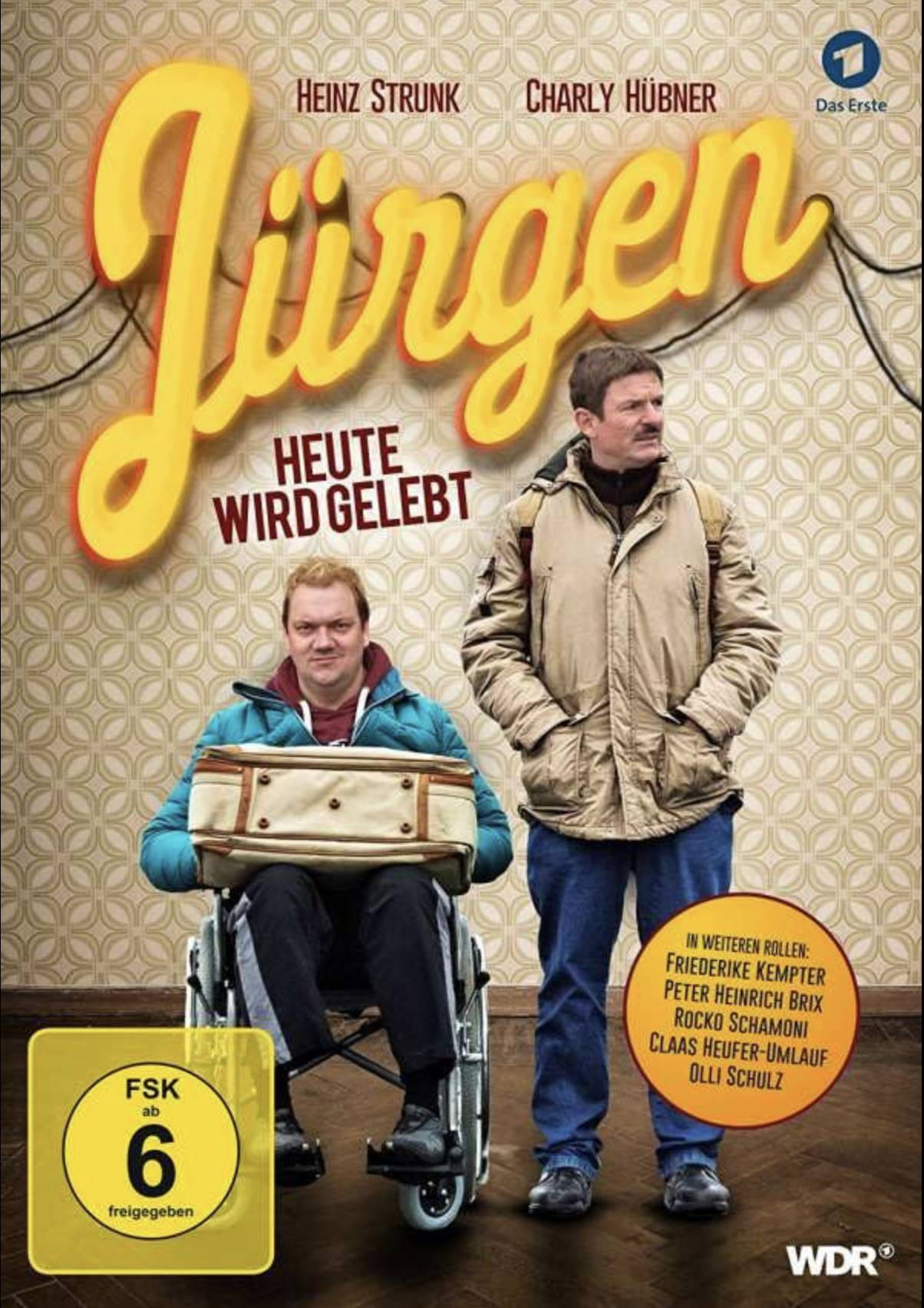
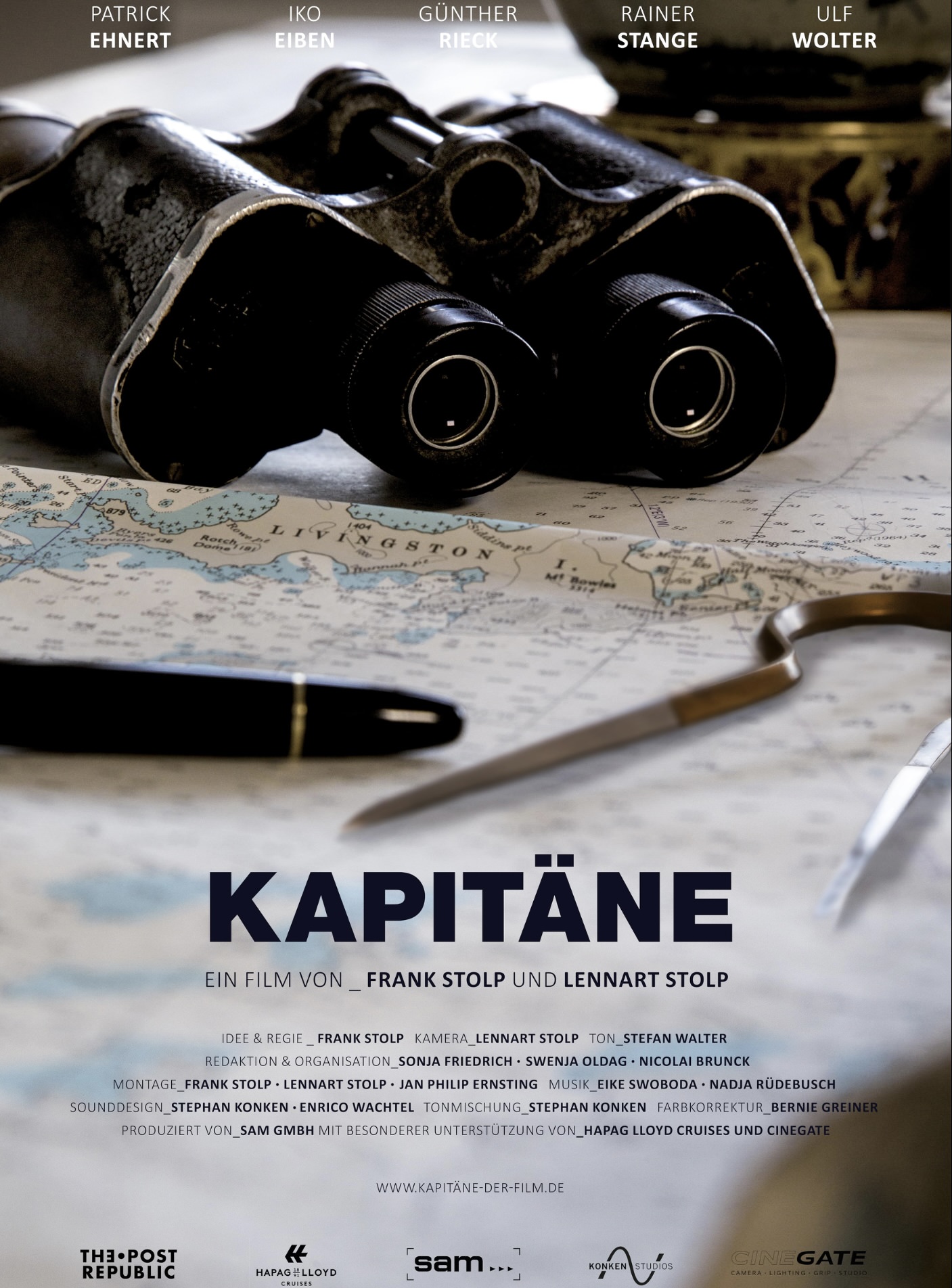
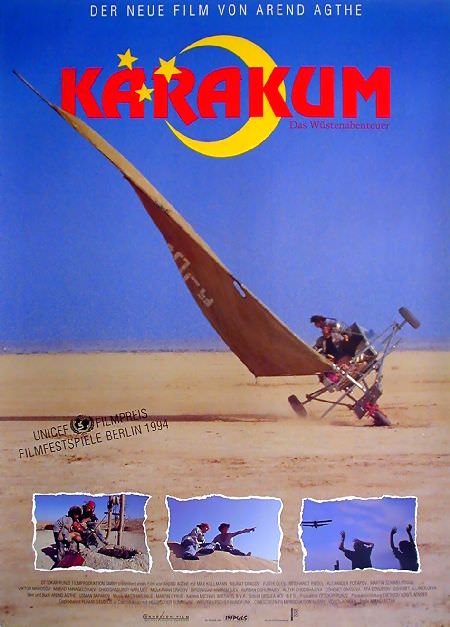
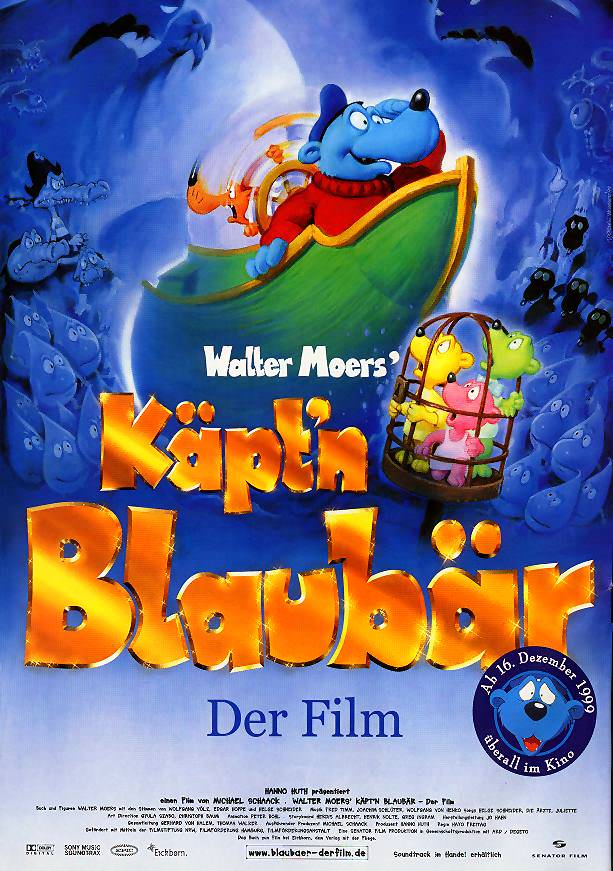
Sergei Bodrov, Ray Lovejoy, Jürgen Vogel, Hans-Christoph Blumenberg, Till Schweiger, Walter Moers, Frank Otto, Franka Potente, Fatih Akin, Tim Mälzer, Peter Lohmeyer, Jana Pallaske, Martina Gedeck, Kim-Ki-Duk, George Sluizer, John Hurt, Peter Kern, Christoph Schlingensief, Werner Schroeter, Axel Prahl, Lars Jessen, Heinz Emigholz, Sara Johnson, Peter Boyle, Otto Waalkes, Moritz Bleibtreu, Sky Du Mont, Achim von Borries, Julia Jensch, Bettina Oberli, Bohdan Sláma, Philip Davis, Matthias Glasner, Thomas Kufus, Apard Bondy, Ulrich Thomsen, Zach Staenberg, Max Zähle, Charlotte Rampling, Oliver Berben, Annette Frier, Christian Ulmen, Stephan Schad, Peter Jordan, Ulrich Köhler, Gabriel Byrne, Dieter Pfaff, Jürgen Kriwitz, Peter Dalle, etc.sounddesign · hamburg
konken studios develops sound design, film mixing and music for cinema, documentary and tv productions. more than 400 international films have been worked on in the studio since 1988.
sound editorial, creative sound design and the final mix are brought together in one focused post-production process – shaped around story, pace and character.
discuss your productionsound edit
dialogue, atmosphere, effects and transitions are prepared as a precise foundation for the creative work and mix.
film mixing
the large mixing stage makes it possible to evaluate the full soundtrack as an audience will hear it.
music for film
music, sound effects, voice and atmosphere are balanced as one coherent soundtrack.
since 1988
the studio's cinema-grade mixing stage remains central to the work today. projects range from feature films and documentaries to television, commercials and international co-productions.
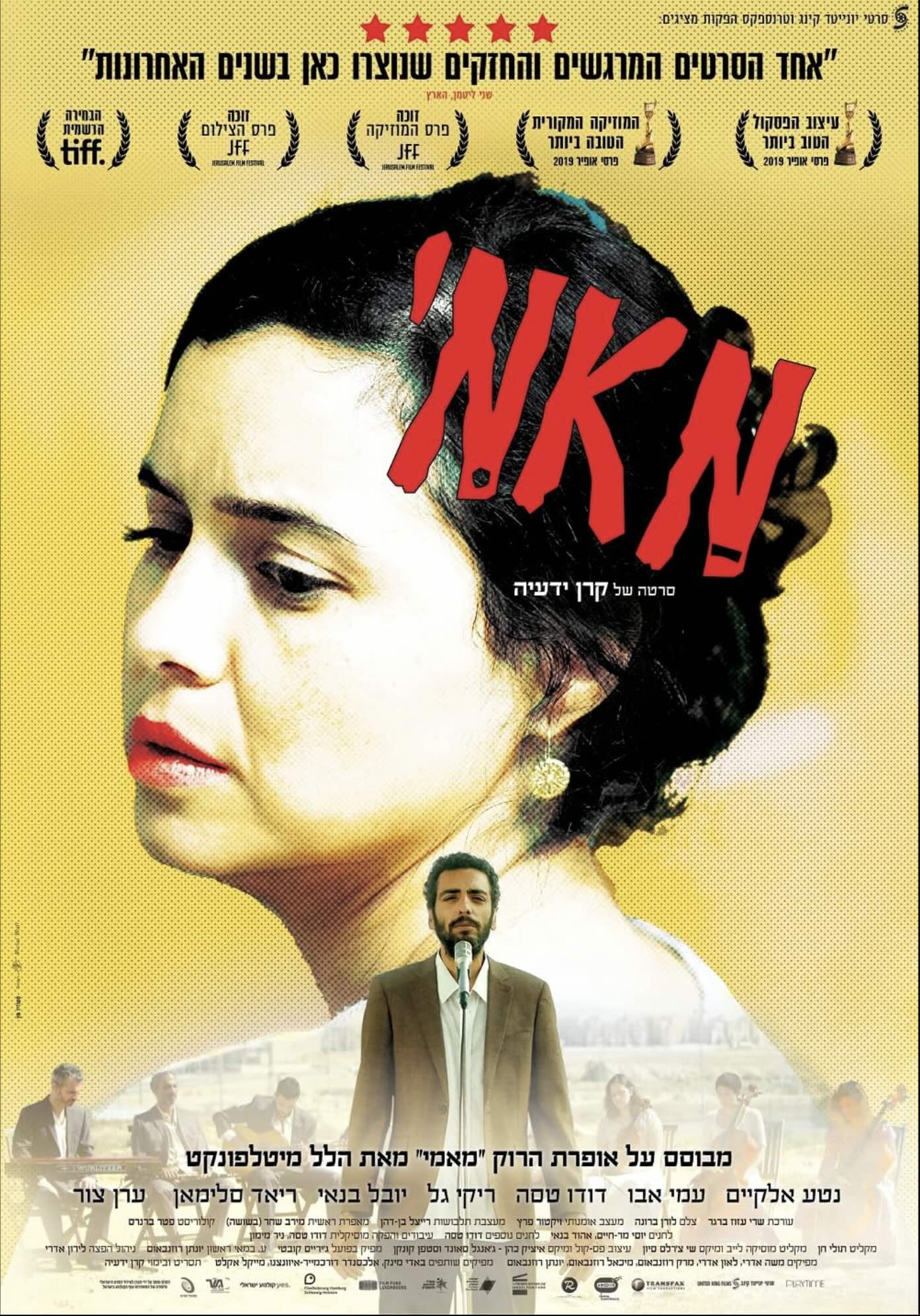
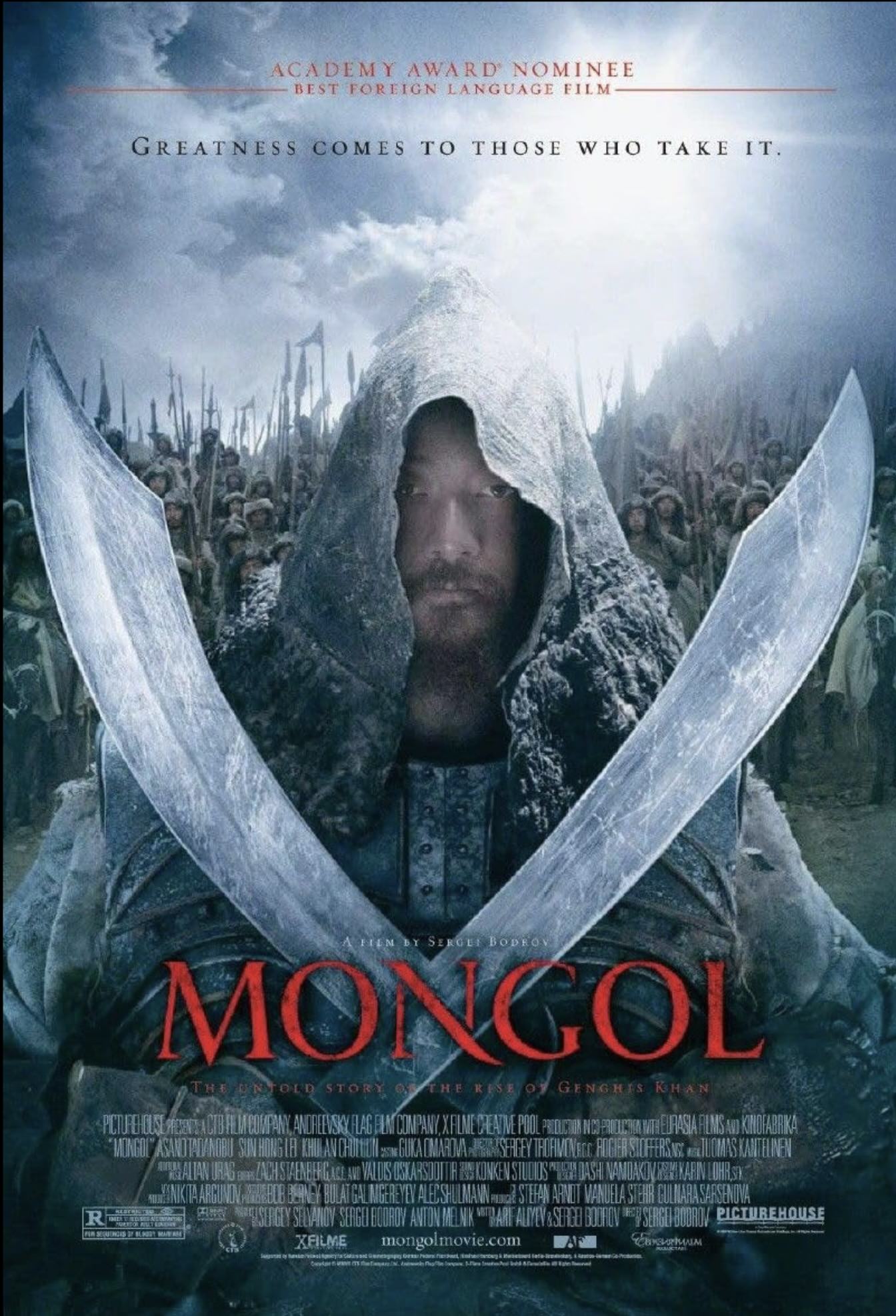
konken studios created the sound design for mongol and worked on the oscar-nominated short film raju.
explore selected worksounddesign · the process
Sound design shapes how a film is experienced: the character of a place, the distance of a voice, the rhythm of an action and the atmosphere between scenes. At Konken Studios in Hamburg, sound editorial and creative sound design connect these details to the story.
The studio works across cinema, documentary and television. Dialogue, atmospheres, effects and music are considered in relation to the image and the final soundtrack. The starting point is the film itself: what should the audience hear, where should their attention move, and what can sound reveal beyond the frame?
dialogue and editorial
Dialogue editing organises recorded voices and their transitions within a scene. Sound editorial prepares atmospheres and effects so that the creative decisions and the final mix can be made in context.
atmospheres and effects
An atmosphere gives a scene its setting and continuity. Effects can define an action or suggest something outside the image. Their selection, timing and perspective help establish the world of the film.
sound and picture
A cut can be supported by a sound transition, a change of perspective or a deliberate pause. Sound design develops through listening to these relationships across individual scenes and the complete film.
working together
An initial conversation establishes the production’s stage, its sound material and the intended experience. Picture editing status, dialogue recordings, existing music and any temporary sounds provide the context for planning the work.
Sound editorial and creative development then give the soundtrack a coherent foundation. Reviews with the filmmakers help clarify the role of dialogue, atmosphere and effects. As picture and sound develop, transitions and perspectives are heard in relation to the film’s rhythm.
The final mix brings these elements together. Konken Studios’ cinema-grade mixing stage connects work on individual details with the experience of the complete soundtrack.
discuss your production →questions before we begin
Sound design develops and prepares the film’s sound world. Film mixing brings dialogue, atmospheres, effects and music together, shaping their balance, dynamics and spatial relationships. The two processes inform each other.
A conversation can begin while the picture is still developing. Sharing the editing status and the production schedule helps establish what can be prepared now and what depends on later picture decisions.
A description of the film, its current editing stage, schedule and available sound material is a useful start. The exact picture, audio and exchange requirements can then be agreed for the production; they should be confirmed before files are prepared.
explore film mixing →